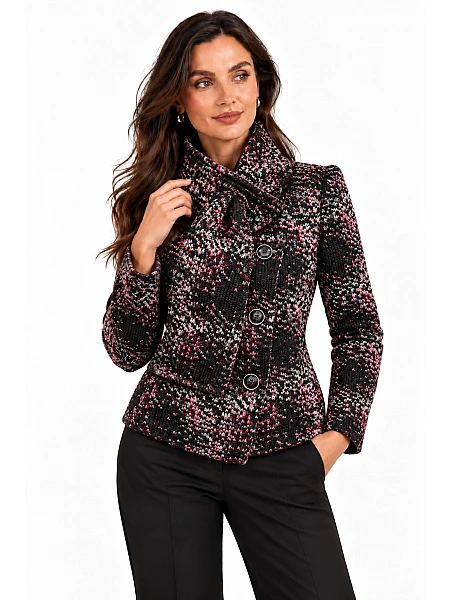
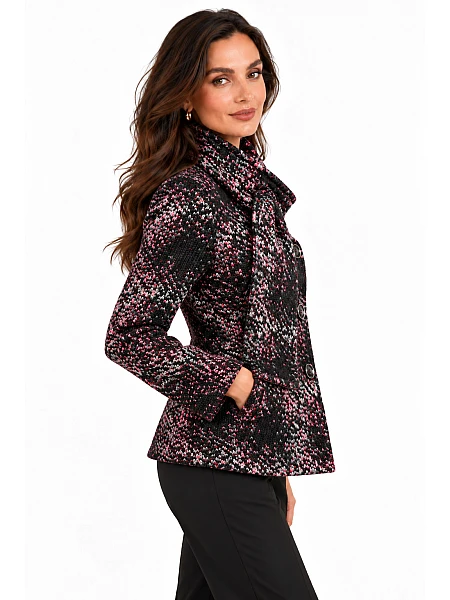
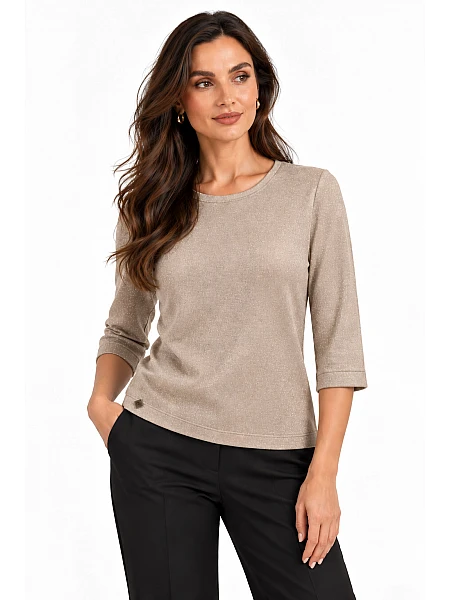
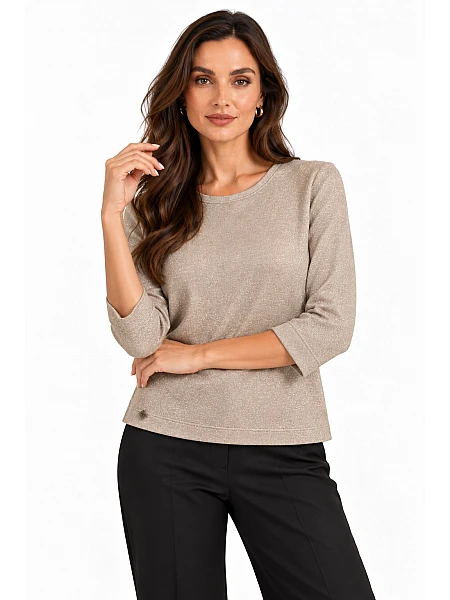
Autumn Women's Clothing – Blouses, Trousers, Skirts, Denim, Suits & Transitional Layers
INISESS Autumn Women's Clothing technically has 162 active records mapped to it, but four of those are active men's jeans that do not belong in a women's category. The real women's scope is 158 active products. The assortment brings together shirts and blouses, trousers, skirts, outerwear, jeans, denim jackets, suits, coordinated sets, quilted denim and jumpsuits from product years spanning 2017–2026. This content reflects the women's product reality and does not count the four taxonomy errors as part of the assortment.
What the category actually represents
INISESS Autumn Women's Clothing is not a single-year collection. The database currently maps 162 active records to the category, but four of those records are men's jeans and do not belong in a women's seasonal category. The real women's scope is therefore 158 active products. Those products span added dates from 2017 to 2026 and include shirts, blouses, trousers, skirts, outerwear, jeans, denim jackets, suits, sets, quilted denim and a small number of jumpsuits.
Why four men's products are excluded from the women's content
Product IDs 2156, 2157, 2158 and 2159 are active men's jeans and also belong to the Men's Jeans category. Their presence under Autumn Women's Clothing is a taxonomy mapping error rather than a meaningful part of the women's assortment. Including them in women's SEO copy would distort both shopper expectations and topic relevance. This guide therefore describes the 158 genuine women's records while leaving the incorrect mapping as a separate data-cleanup issue.
Active women's products and stock reality
After excluding the four incorrectly mapped men's jeans, 158 active women's products remain. About 138 of those currently show quantity above zero, while 20 active women's records show quantity zero. That distinction matters: active status is not the same as guaranteed purchase availability. The category does not claim “158 in stock.” Size, colour, variant and actual purchasability must be checked on the live product page.
Which years are represented?
The active category spans 2017 through 2026. The database shows 31 active records added in 2026, but four are the mis-mapped men's jeans, leaving 27 women's records from that year. There are also 29 from 2025, 24 from 2024, 24 from 2023, 19 from 2022, 20 from 2021 and additional older active women's products. This is a seasonal-use category, not a claim that every active item belongs to the newest collection.
Relationship with New In
A total of 102 active records overlap with New In. That gives the autumn page a strong current component, but it does not turn the category into a new-arrivals feed. Older active products remain present. Shoppers who want only recent launches can use New In, while Autumn Women's Clothing should organize products by transitional weather, layering, garment type and colder-season usefulness.
Shirts and blouses as a core autumn group
Thirty-one active women's products overlap with Women's Shirts & Blouses. In early autumn, a shirt or blouse may work alone; later it can sit beneath a blazer, denim jacket or outer layer. Sleeve length, neckline, weave and thickness all matter. Tencel, cotton and viscose directions can create very different wearing experiences, so fibre names should never be treated as identical warmth or opacity claims.
The role of trousers
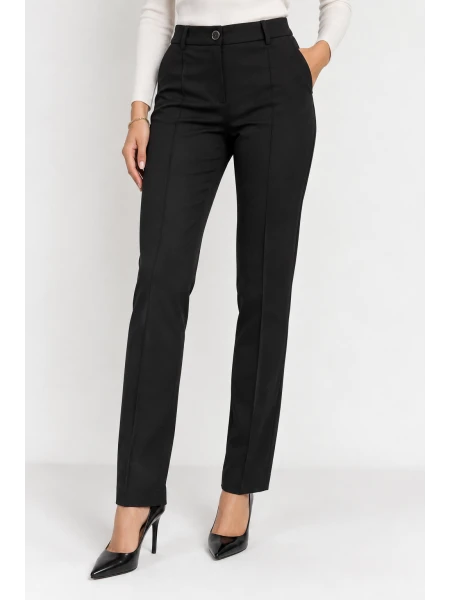
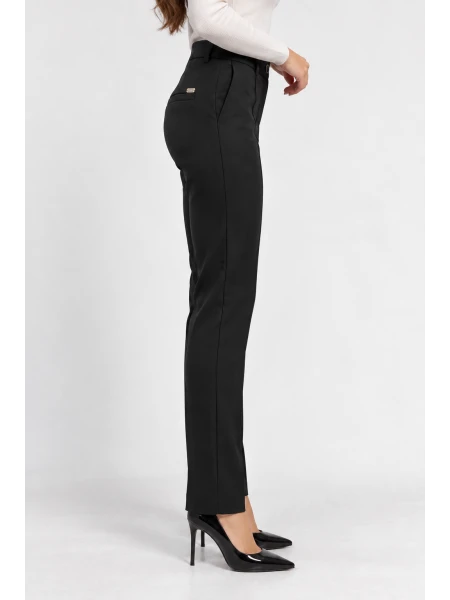
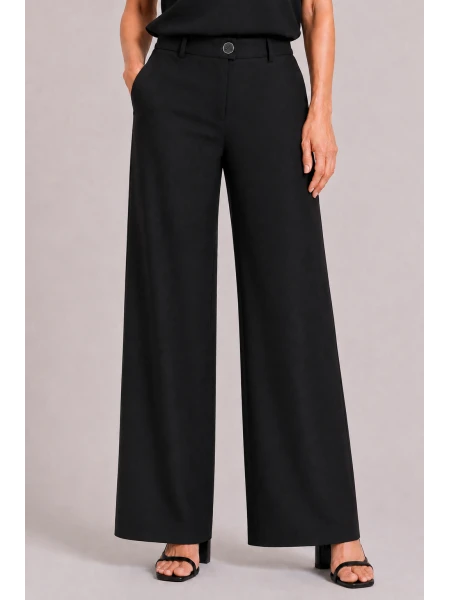
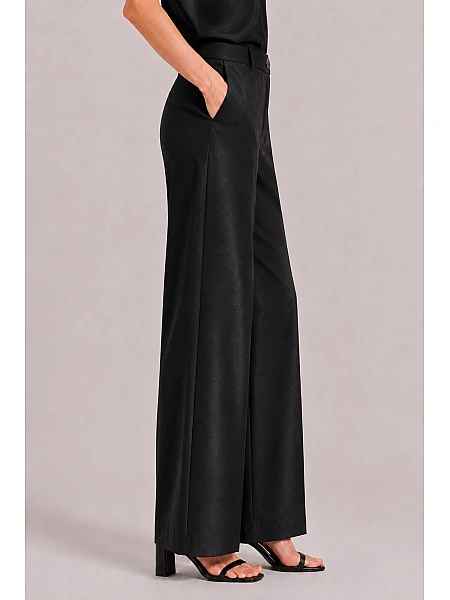
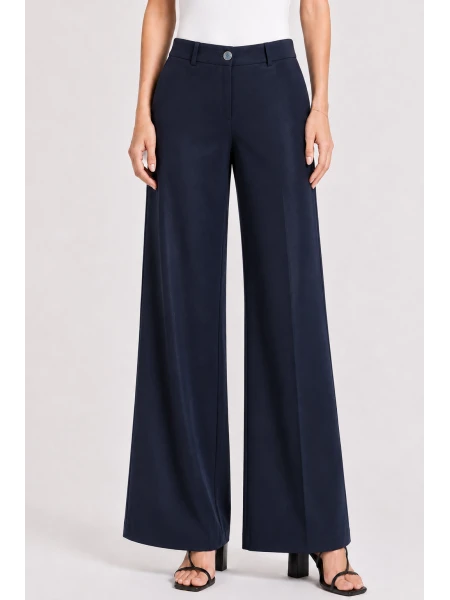
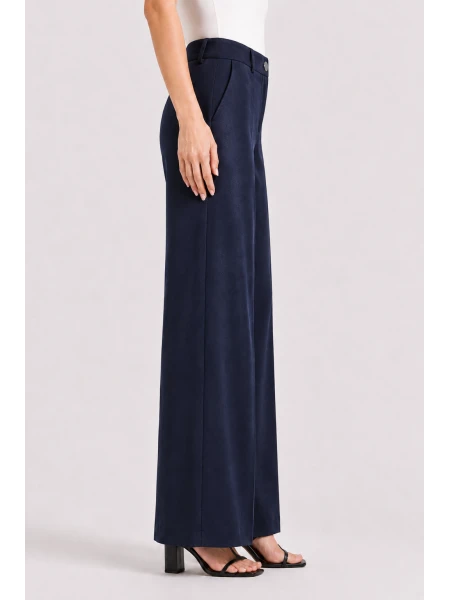
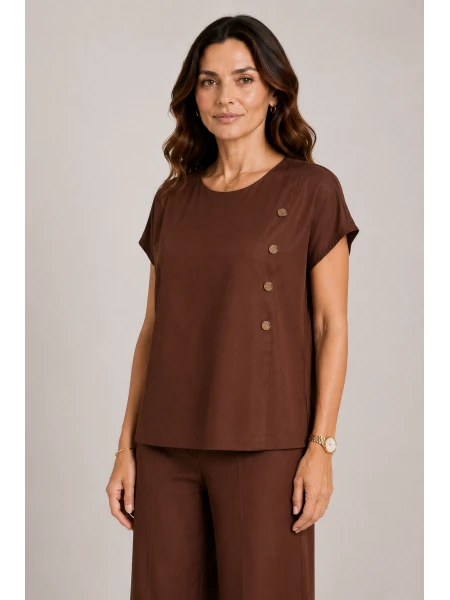
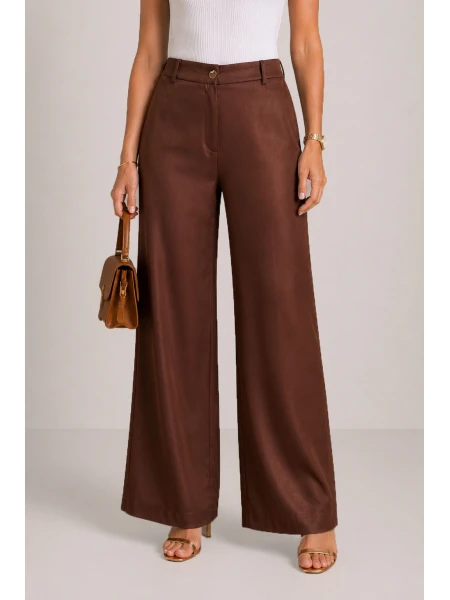
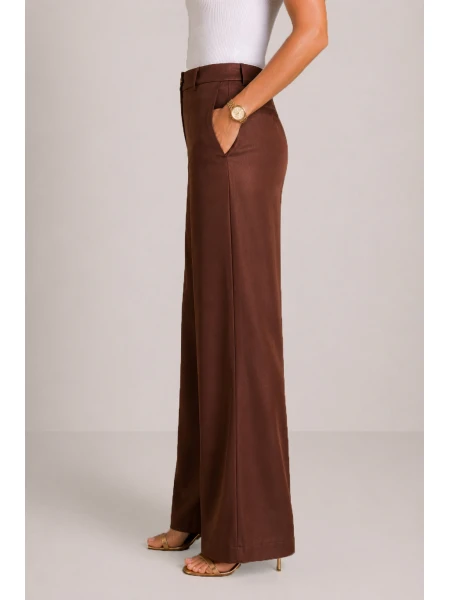
Twenty-six active products overlap with Women's Trousers. Recent examples include black and navy Tencel wide-leg trousers, brown trousers and other structured styles. Autumn trousers should not be reduced to one shape. Wide-leg, straight, tapered and more tailored constructions interact differently with boots, loafers, outerwear and wet ground. Waist fit, hem length and the real fabric should be evaluated together.
Skirts in autumn
Twenty-one active products overlap with Women's Skirts. A skirt can move through the season with shirts, fine knitwear, boots, blazers and longer outerwear. Fabric density, lining and length determine how it behaves in wind and cooler conditions. A lightweight flowing skirt and a structured autumn skirt may both be seasonally relevant while requiring different layering and footwear.
Why outerwear is central in autumn
Eighteen active products overlap with Women's Outerwear. Autumn can shift from mild afternoons to cold mornings, wind and rain. Light jackets, transitional coats and other removable layers are therefore central. The category does not treat every outerwear product as windproof, waterproof or suitable for a specific temperature unless the individual product provides that information.
Women's jeans in the category
Ten active women's products overlap with Women's Jeans. Four of those also sit in the specialist quilted-jeans direction for colder conditions. This creates a useful range from transitional denim toward warmer late-autumn options. A lightweight denim, standard cotton jean and padded winter-oriented jean should not be treated as having the same weight, warmth or drape.
Quilted jeans for colder autumn weather
Four active women's products overlap with the quilted-jeans family. They are more relevant as temperatures drop toward winter because their inner construction is designed around added warmth. They may feel too warm in early autumn or in heated interiors. Personal temperature sensitivity, daily commute and time spent outside matter. The category should explain their role without implying that every autumn day requires insulated denim.
Denim jackets in autumn
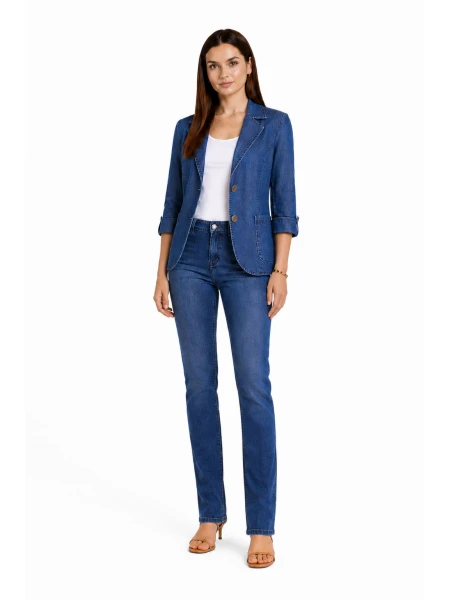
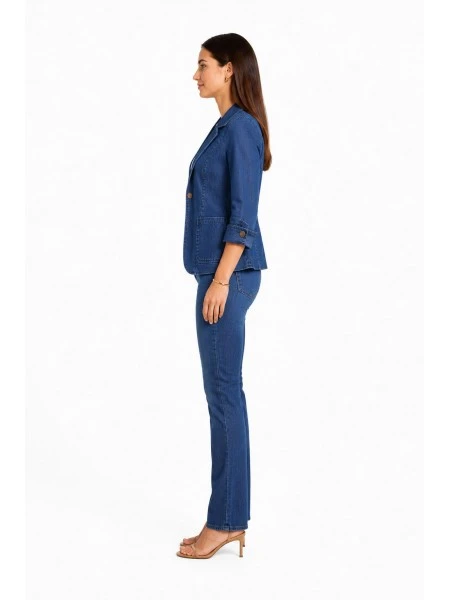
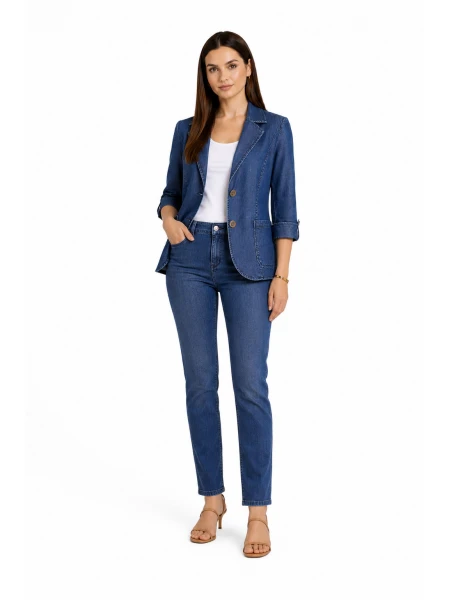
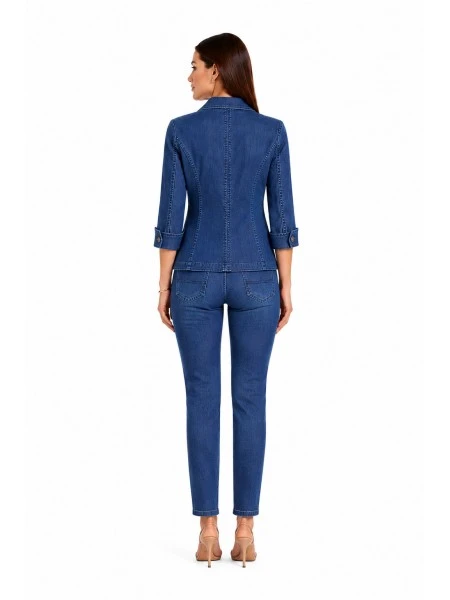
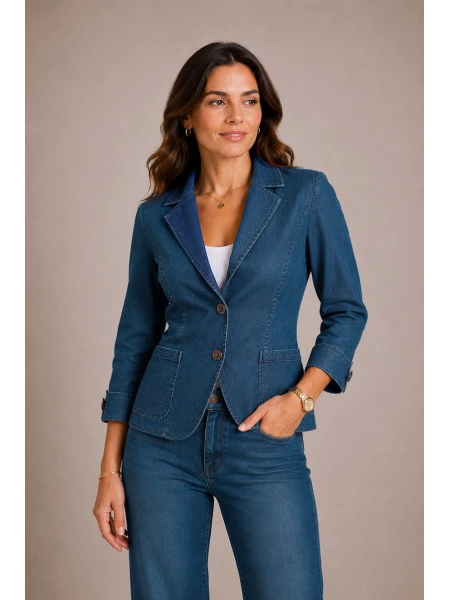
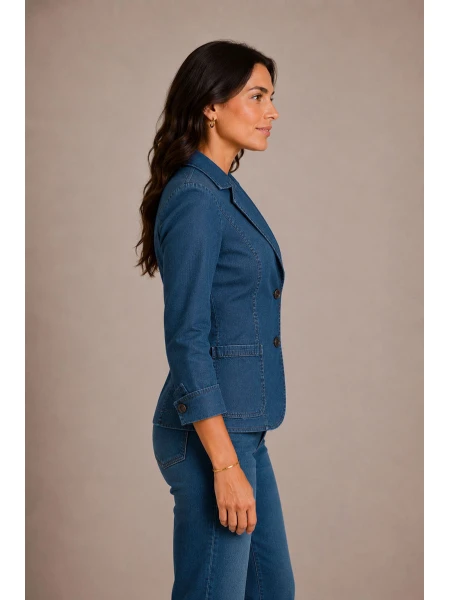
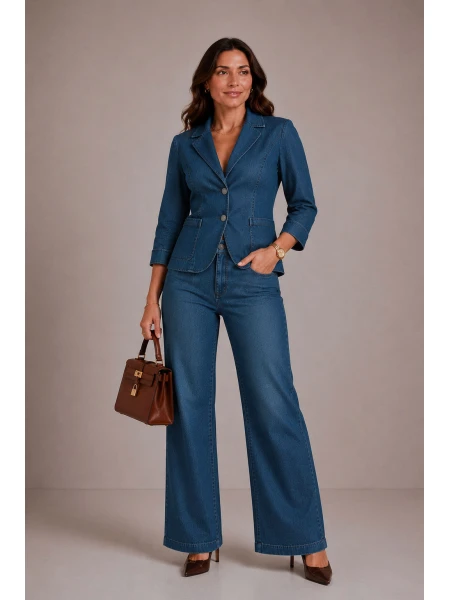
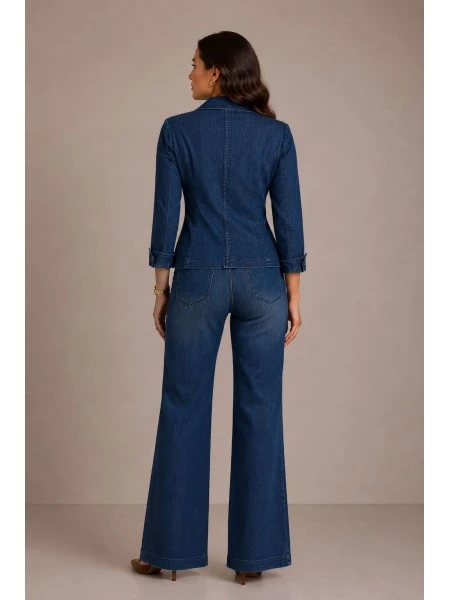
Seven active women's products overlap with Women's Denim Jackets. Tencel denim blazers, lighter sporty jackets and more classic denim constructions can serve different layering purposes. In early autumn, a denim jacket can be the main outer layer; later it may work as an intermediate layer. Fabric weight, lining and sleeve construction must remain product-specific.
Suits and coordinated sets
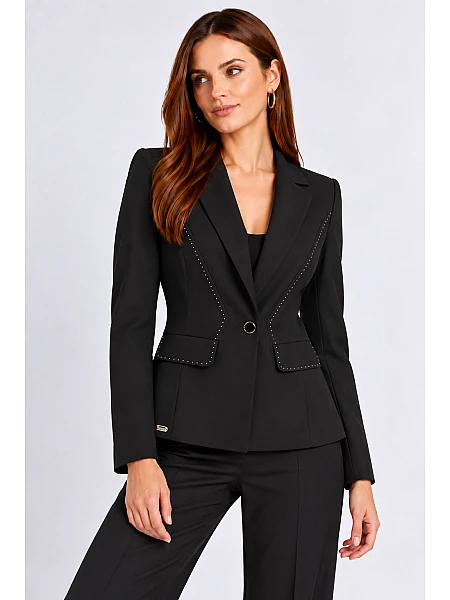
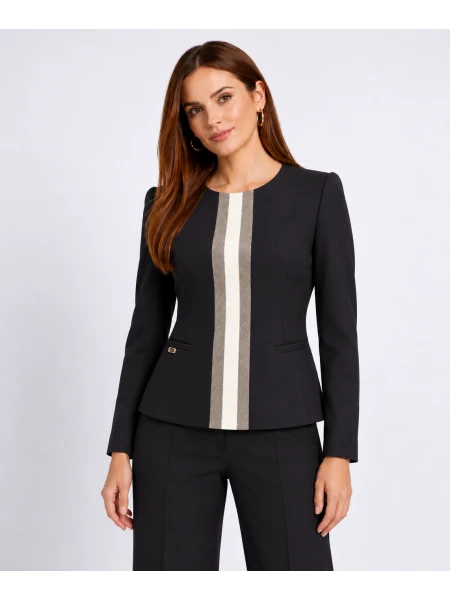
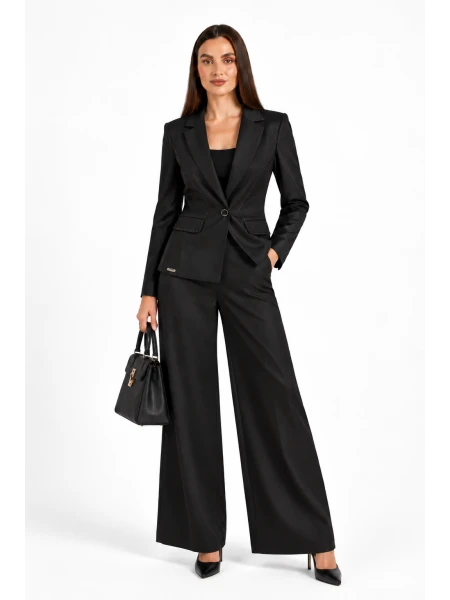
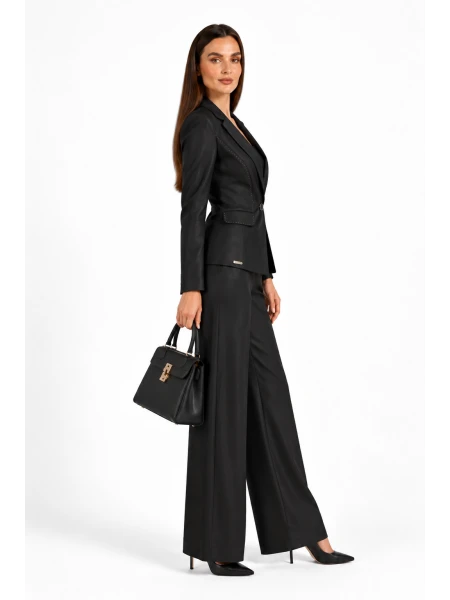
Eight active products overlap with Women's Sets & Outfits, while seven overlap with Women's Suits. Blazer-trouser, vest-trouser and other coordinated products can work well for office and city dressing. Shoppers should verify whether a listing is a full set, whether the pieces can be worn separately and how sizing is handled across the top and bottom.
Jumpsuits
Three active products overlap with Women's Jumpsuits. Jumpsuits create a complete one-piece look, but autumn layering changes fit requirements. A blazer or jacket over the jumpsuit needs enough shoulder and arm room. Active jumpsuits can come from several launch years, so their original season should remain visible rather than being rewritten as current-year new collection.
Tencel as an autumn direction
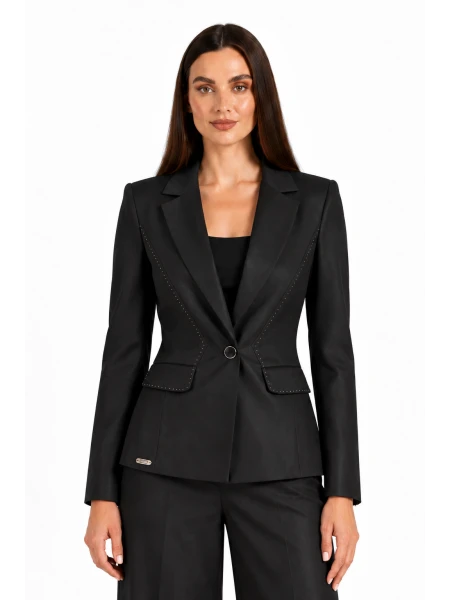
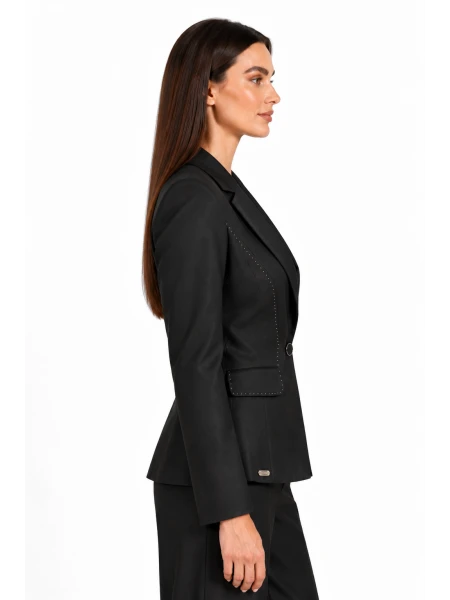
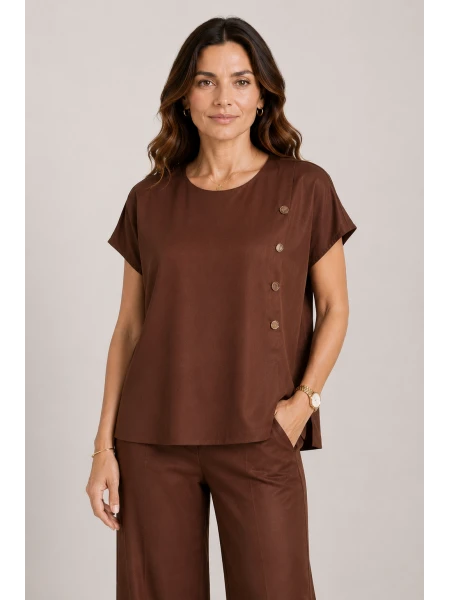
The word Tencel appears in 14 active women's product names. Current examples include a black suit, black jacket, black and navy wide-leg trousers, brown blouse and several denim pieces. Tencel-led fabric can appear soft and fluid, but exact weight, warmth, wrinkle behaviour and opacity depend on blend and construction. The fibre name is one piece of technical information, not a complete performance description.
The denim direction
After excluding the four men's jeans, denim or jean wording appears in roughly 36 active women's product names. Denim is therefore a major autumn theme. Tencel denim, classic cotton denim and quilted denim are not interchangeable. Surface, structure, stretch and warmth should be read from the exact product rather than inferred from the shared denim label.
Cotton directions
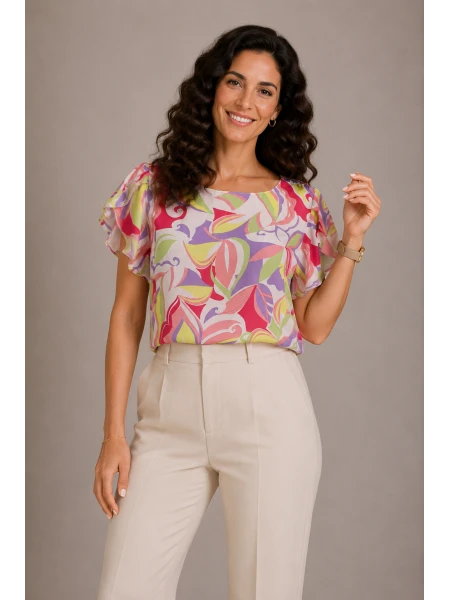
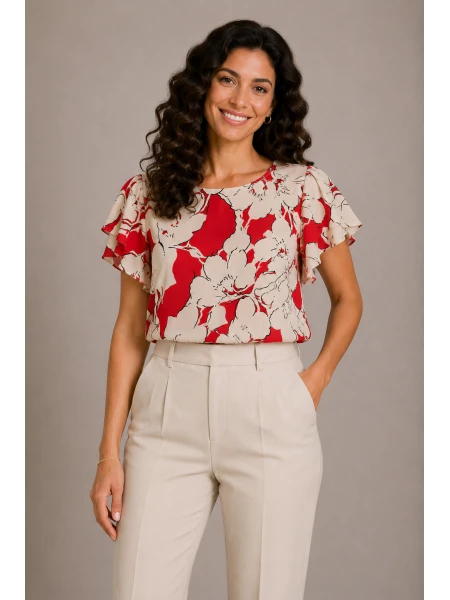
The word cotton appears in five active women's product names. Current examples include a printed blouse and a cappuccino-coloured trouser. Cotton can support many autumn uses, but it does not automatically mean warm, opaque, breathable or wrinkle-resistant. Blend percentage, fabric density and weave determine how the garment behaves in real conditions.
Viscose directions
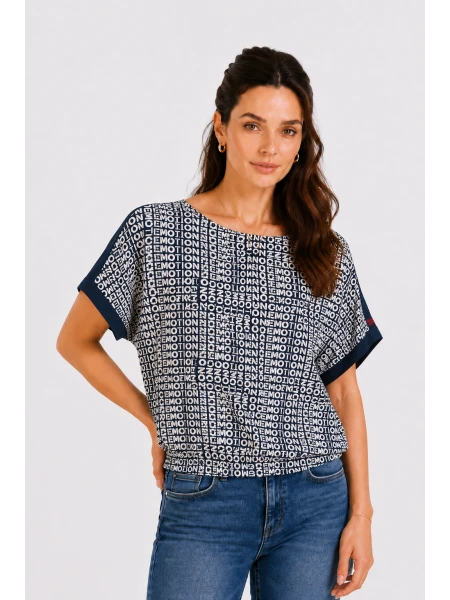
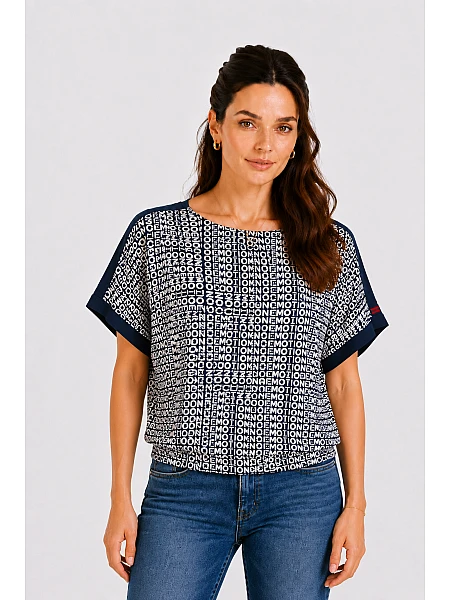
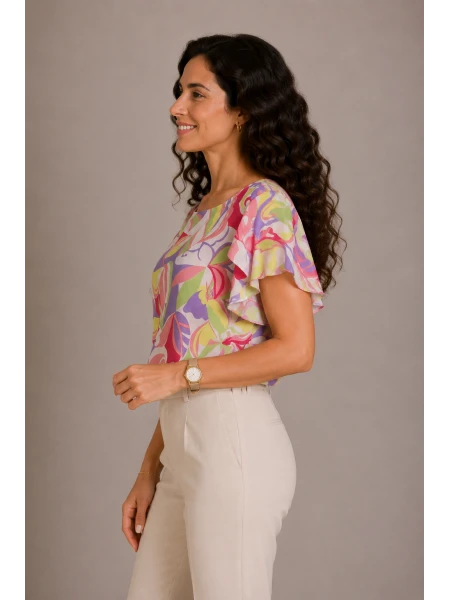
Viscose appears only in a small number of active women's product names, including a recent colourful printed blouse. Viscose-led fabric may look fluid, but autumn suitability depends on weight and layering. A lightweight viscose blouse may need a jacket in cooler weather. Fibre name alone should not be converted into claims about warmth, transparency or easy care.
How quilted denim fits into the season
Quilted jeans and padded denim vests sit closer to late autumn and early winter than to mild September weather. Recent 2025–2026 products explicitly use a warmer construction. The same garment may feel useful during a cold commute but excessive in a heated office. Weather, personal heat sensitivity and daily routine should guide the choice instead of the autumn label alone.
Autumn layering logic
Layering in autumn is more warmth-focused than in spring. A blouse or shirt can sit under a blazer, denim jacket or outerwear as temperatures drop. More layers require enough room in the shoulder, arm and bust. A jacket that fits neatly over a thin top may become restrictive over a shirt and fine knit. Fit should reflect the actual layering plan.
Early autumn
September and early-autumn days can still feel warm. Lightweight blouses, shirts, trousers, skirts and thinner blazers may be enough. Not every product in the autumn category is thick. Tencel-led or lighter garments can work well during milder periods. Seasonal mapping should not be mistaken for a universal fabric-weight claim.
Mid-autumn
As temperatures fall, denim, structured trousers, jackets and light outerwear become more practical. Fine knitwear can be added beneath shirts or blazers, and removable layers help when afternoons warm up. The goal is not to select the heaviest garment available, but to create a system that adapts to changing indoor and outdoor conditions.
Late autumn
Closer to winter, warmer denim, quilted jeans, longer outerwear and additional layers become more relevant. Even then, actual suitability should be based on the product rather than the category name. A padded jean has a clearer cold-weather role than a lightweight Tencel blazer. Climate and layering determine whether a garment is enough for a specific day.
Rainy autumn days
Most clothing in this category is not documented as waterproof or water-repellent. Such claims must stay product-specific. Wide-leg trousers, long skirts and full-length jeans can pick up water and dirt from the ground. Footwear and outerwear should be chosen for actual weather. This is especially important for commuters and shoppers who spend a lot of time walking.
Wind and layering
Wind can make lightweight fabrics feel colder and increase movement in wide trousers, skirts and open jackets. Denim and structured outerwear may feel more stable, but that is not the same as a technical windproof rating. Product construction and fabric weight matter. Autumn styling should therefore consider both appearance and how the garment behaves outside.
Autumn office dressing
A flexible autumn office outfit can combine a shirt or blouse with trousers or a skirt and a blazer. In smart-casual workplaces, a denim blazer may be appropriate; in more formal environments, classic tailoring can be safer. The difference between cool outdoor weather and heated offices makes removable outer layers particularly useful.
Interview outfits
An autumn interview outfit should remain polished without becoming unnecessarily heavy. A blouse or shirt with trousers and a removable blazer can adapt to indoor temperature. Trousers should stay comfortable when seated and the blazer should not pull across the shoulders. Whether denim or a strong print is appropriate depends on the organisation rather than on a universal fashion rule.
Everyday city wear
Jeans, trousers, skirts, blouses and light jackets create practical autumn city outfits. Sneakers, loafers and boots can be chosen according to weather and formality. Wet ground affects long hems. Walking distance, driving and public transport are part of a realistic purchase decision because fit and fabric behaviour matter throughout the day, not only in a mirror.
Evening dressing
Autumn evenings can cool quickly. A Tencel suit, polished blouse-and-trouser combination, blazer or jumpsuit can be supported by an extra outer layer. Black, navy and brown naturally fit many autumn wardrobes, but colour does not define warmth. Fabric weight and layering remain more important than whether a colour looks seasonal.
Weekend styling
For weekends, jeans, denim jackets, relaxed blouses, sweatshirts and more flexible trousers can work well. Structured pieces can be made more casual with sneakers. Cost per wear improves when one product can work across several tops and shoes. A trend-led garment that does not connect with the existing wardrobe may deliver less practical value.
Autumn travel
Travel in autumn introduces changing temperature, rain and repeated transitions between outdoor and indoor spaces. Several tops, neutral trousers or jeans, a light blazer and outerwear can create multiple outfits. Wrinkling, care and suitcase volume vary by product. Tencel and denim labels alone do not predict travel performance.
Building an autumn colour palette
Current active examples include black, navy, brown, beige, green, grey and strong prints. Autumn does not have to mean brown-only dressing. A black Tencel suit, navy trouser, green wide-leg style or zebra print all create different directions. Neutral bases with one stronger colour or print can make the wardrobe easier to coordinate.
Black autumn pieces
Recent active products include a black Tencel suit, black jacket, black wide-leg trousers and a textured black blouse. Black moves easily between office and evening use. It can be combined with cream, grey, brown or stronger colour. A black product should not automatically be assumed to be heavy or winter-weight; construction matters more than colour.
Brown and cappuccino tones
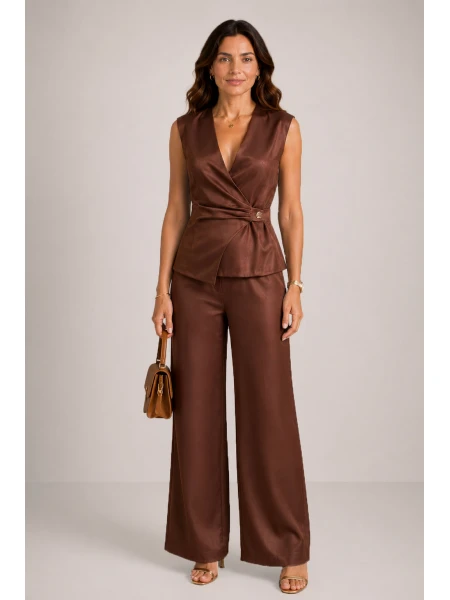
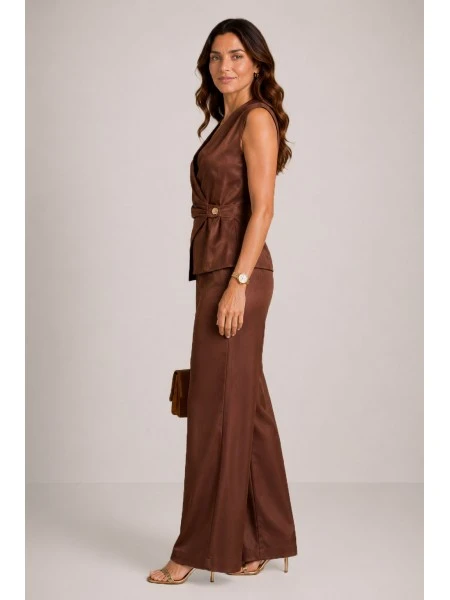
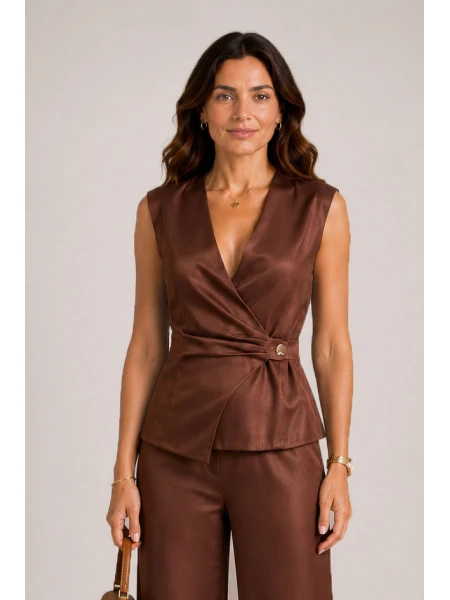
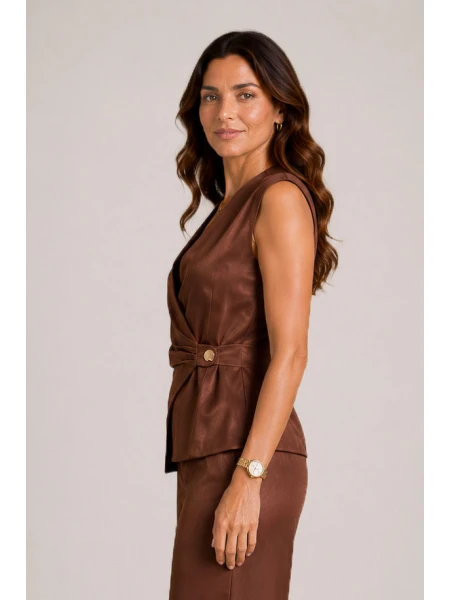
Recent examples include a brown Tencel blouse, brown trousers, a brown vest-trouser set and a cappuccino cotton trouser. These tones sit naturally in an autumn palette and combine easily with cream, black, navy and green. Colour naming can shift under different lighting and screens, so the live product photography and named colour should be considered together.
Zebra and stronger prints
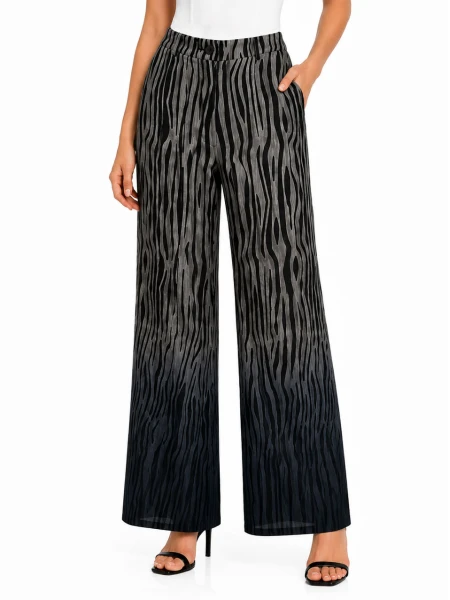
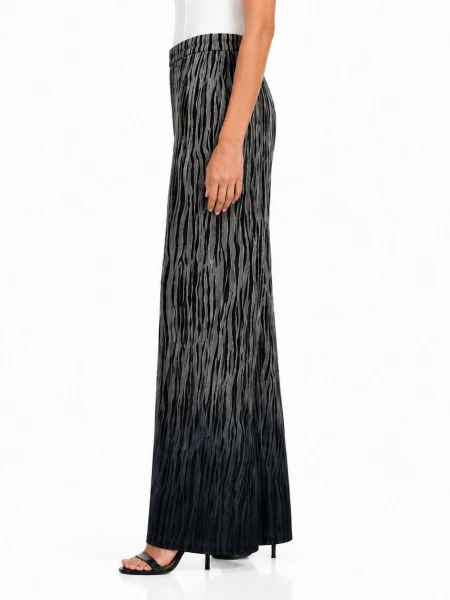
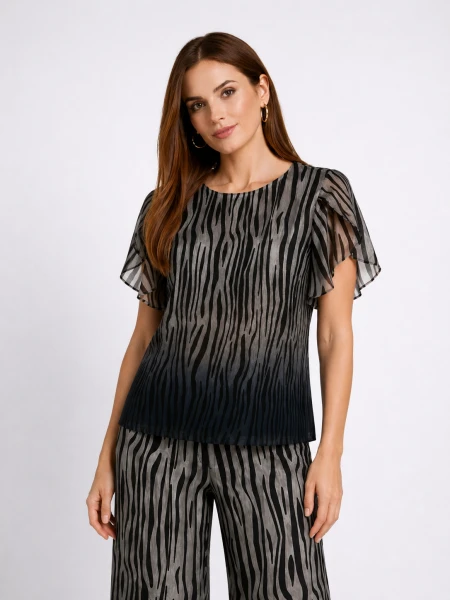
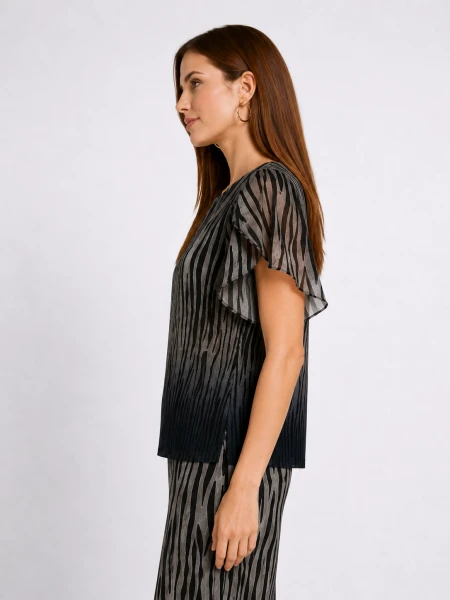
Ombré zebra blouses and trousers create a strong visual focal point. A simpler outer layer, bag or shoe can help prevent the outfit from becoming overloaded. Pattern scale should be read from the images. The category avoids rules that claim a particular pattern is only suitable for a particular body type.
Wide-leg trousers in autumn
Active products include black, navy, green and zebra-influenced wide-leg trousers. Wide legs can work with boots, loafers or sneakers, but the hem must stay practical on wet streets. Shoe sole height and trouser length should be considered together. A shorter top, tucked shirt or structured blazer can define proportion above the wider leg.
Vest sets
Recent active examples include Tencel vest-and-trouser sets. A vest can work alone in mild early autumn or over a shirt or blouse when it cools. Armhole shape, bust fit and inner-layer thickness all affect comfort. If a set uses one size for both pieces, shoppers with different upper and lower-body proportions should pay additional attention to sizing.
Denim sets
Tencel denim jacket-and-trouser sets can provide a coordinated transitional look. Full-length and 9/10 trouser options change the relationship with footwear. A set should be understood as the package actually described on the product page rather than as a jacket-only item. Tencel denim also should not be assumed to have the same warmth as heavier classic denim.
Quilted jeans and denim vests
Recent 2025–2026 products include quilted jeans and padded denim vests. Their inner construction provides a different cold-weather role from standard denim. They can be too warm during mild autumn but useful later in the season. Sizing should account for how the padded interior changes the feel around the waist, hip and thigh.
How to read the product year
The category includes products from 2017 through 2026. If the title states 2026, 2025 or an older year, that information should remain visible. Active status does not mean new season. A 2019 or 2021 model can remain active without becoming a 2026 product. Current usefulness comes from fit, fabric and availability, not from rewriting the launch year.
Fit and layering allowance
Autumn jackets and blazers may be worn over shirts, blouses and fine knitwear. Shoulder, sleeve and bust ease should therefore be tested with the intended layers. For trousers, waist, hip and knee mobility matter; for skirts, waist and seated comfort matter. Product measurements, when available, are more reliable than assuming one labelled size behaves identically across product types.
Footwear choices
Sneakers can work in mild weather, loafers support smart casual and boots become more practical as conditions get colder or wetter. Wide-leg trousers, straight jeans, skirts and cropped hems all react differently to footwear height. Grip and keeping hems clear of wet ground can matter as much as styling.
Bags and accessories
Autumn accessories can connect the colour palette or change formality. Strong zebra prints may benefit from a simpler bag, while black or beige outfits can support a stronger accent. The category does not create artificial shopping links to products that are unavailable or unrelated. Accessories should support the main visual focus rather than compete with it.
Building an autumn capsule wardrobe
A practical autumn capsule can include trousers, jeans, several tops, a blazer or denim jacket and appropriate outerwear, with a skirt, suit or jumpsuit added according to lifestyle. The aim is not to own many pieces that perform the same task but to build layers that work together. Women's Clothing remains the broad authority path for comparing major garment families.
The value of older active products
An older active product can still be useful if its fit and fabric suit current needs. Launch year does not automatically make a garment irrelevant. The page should, however, preserve the real year and avoid calling archive-era products new season. Current sizes and purchase availability should be checked live.
Why care must stay product-specific
Tencel, denim, cotton, viscose and quilted constructions do not share one universal care method. Even the same fibre can appear in different blends and finishes. Washing, drying and ironing should follow the individual label. A category-level season does not justify one temperature setting for every garment.
Opacity and lighter colours
Autumn may lean darker, but pale beige and lightweight blouses still appear in the assortment. Fibre name does not guarantee opacity. Pale trousers and tops should be checked for lining, weave density and pocket-bag visibility. The category does not make unsupported “not see-through” claims.
Wrinkling and all-day appearance
Tencel, cotton, viscose and denim can wrinkle differently depending on construction. The label “wrinkle-free” should not be used without product evidence. Office sitting, driving and public transport can all change appearance during the day. Product structure and care guidance give a more realistic expectation than fibre name alone.
Knitwear as an autumn middle layer
Fine knitwear becomes increasingly useful as autumn progresses because it can sit between a blouse or shirt and the outer layer. A fine knit adds warmth without necessarily creating the bulk of a heavy sweater. Neckline, sleeve volume and shoulder fit should work with the jacket above it. A blazer that has no room for knitwear may be less versatile once temperatures fall.
Boots and trouser hems
Boot height changes the way straight, cropped and wide-leg trousers finish. A 9/10 denim can expose the ankle boot, while a wide leg may cover the shaft completely. On wet streets, enough sole height helps protect longer hems. Alteration decisions should be made with the footwear that will be used most often rather than in bare feet or with an unrelated shoe.
Indoor and outdoor temperature differences
One of the main autumn challenges is the contrast between cool streets and heated shops, offices and transport. A garment that is perfect outside may feel too warm indoors. Removable layers solve this better than simply choosing the warmest possible item. Think about how many hours will be spent in each environment before choosing quilted denim, heavy outerwear or a very warm upper layer.
Balancing leather-look accessories and denim surfaces
Autumn outfits often combine denim with smoother shoes, belts or bags. The contrast between a textured denim surface and a cleaner accessory can create definition without adding another print. The category does not assume a specific accessory material, but the principle is useful: when clothing already contains strong texture or pattern, simpler accessory surfaces can help preserve visual order.
Long-distance travel comfort
On longer car, train or flight journeys, waistbands, knee movement and layer removability become more important. A structured suit may look polished but feel restrictive if fit is too close; quilted jeans may be warm outside but excessive inside a heated cabin. Travel use should be evaluated in the seated position and with the outer layer removed, not only from a standing product photo.
Rewearing one outer layer across several outfits
A useful autumn jacket or blazer should ideally work with more than one lower piece. A denim jacket can pair with trousers and skirts; a black blazer may work with denim, coordinated trousers and a dressier look. Testing a potential purchase against several existing outfits before ordering helps identify whether it fills a real wardrobe gap or duplicates something already owned.
Surface texture and layering friction
Different surfaces can catch or slide against each other. A soft blouse under a structured jacket may move easily, while a textured knit under another textured layer can feel bulkier. Lining also affects this interaction. When the category does not document lining, shoppers should not assume that every jacket will layer smoothly over every knit or blouse.
Autumn weddings and events
Autumn events can begin in mild daytime weather and end in much cooler temperatures. A suit, blouse-and-trouser outfit or jumpsuit can be supported by a blazer or outer layer. A black Tencel suit or structured jacket may suit some dress codes, but venue and event expectations still matter. The category does not label every polished product as formal-event wear.
Commuting
A morning commute can involve cold air, crowded transport and a heated workplace. Removable layers are usually more practical than one heavy garment. Very long wide-leg hems can be troublesome on wet platforms. Jackets should allow comfortable arm movement with a bag, and trousers should remain comfortable while seated.
Keeping the outfit complete after removing a layer
An autumn outfit should still work when the jacket or blazer comes off indoors. That makes the blouse, shirt, vest or top underneath just as important as the outer layer. Think of the look in several states: fully layered outside, outer layer removed indoors and possibly reduced further in a warm office. This improves real-world versatility.
Fabric surface and perceived formality
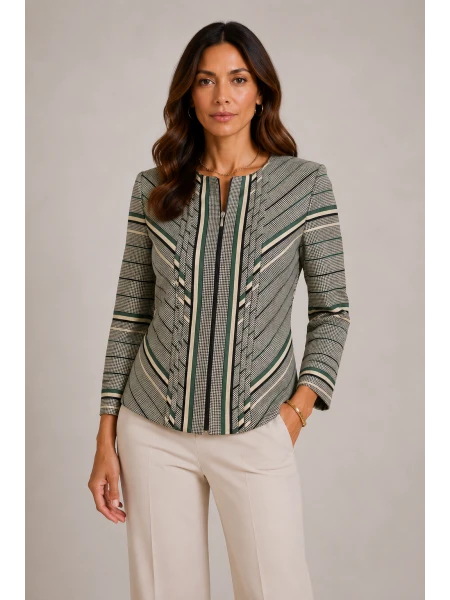
A black Tencel jacket, washed denim, cotton blouse and quilted jean can all be tagged autumn while sending different formality signals. Surface texture, structure and detailing influence whether a garment feels office-ready, city-casual or weekend-focused. The garment type alone does not define its level of formality.
Long-day comfort
A garment used for commuting, office sitting and evening plans needs both movement and temperature flexibility. Shoulder, sleeve, waist, hip and knee pressure can become more noticeable over time. A small restriction that seems acceptable during a short fitting may become uncomfortable after several hours. Test movement in the way the garment will actually be used.
Cost per wear
Autumn trends can encourage seasonal buying, but repeat use is a stronger measure of value. A black or navy trouser, reliable blazer, versatile blouse or denim jacket that combines with several existing pieces can offer more practical value than a highly specific item. Before buying, imagine at least three complete outfits from the current wardrobe.
Comparing similar products
When two autumn products look similar, compare more than colour. Check fibre composition, lining, sleeve or hem length, fastening, pockets, fit, launch year and whether the item is a single piece or a set. Newer does not automatically mean better; the stronger choice is the one that matches the actual use case.
Reading product photography
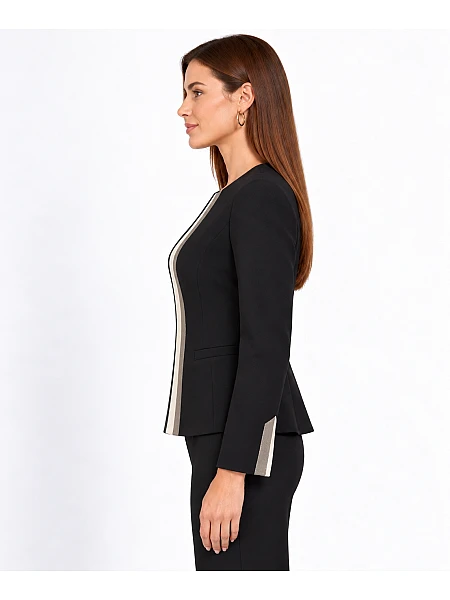
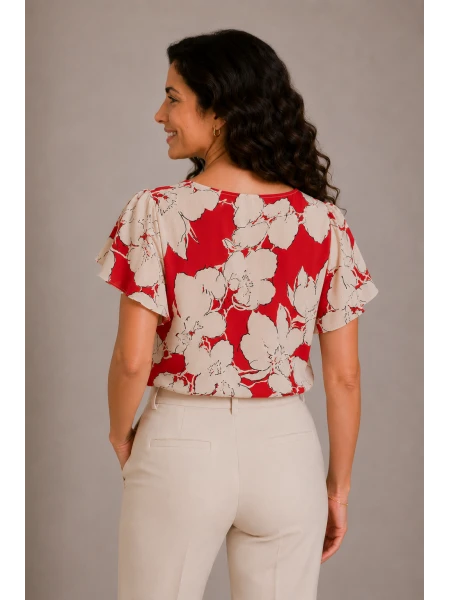
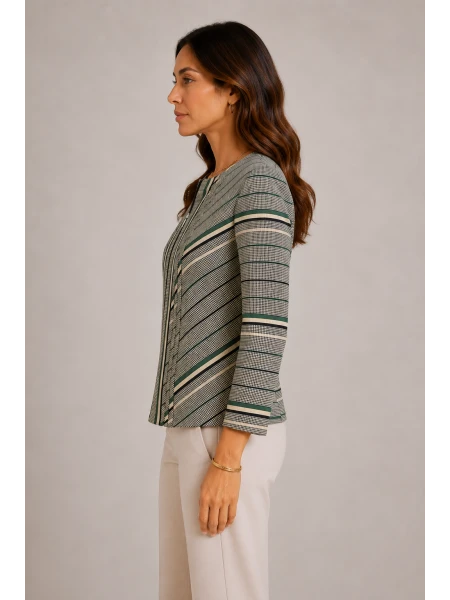
Front, side, back and detail images reveal different information about shoulder fit, trouser volume, pockets, texture and colour. A single posed image rarely shows real movement. Screen brightness can alter colour, and static photography can hide how fabric behaves when sitting or walking. Use images together with measurements and written data.
Season category versus actual weather
Autumn Women's Clothing is a merchandising and navigation category, not a weather forecast. The same garment can be comfortable in one city and too light in another on the same date. Temperature, wind, rain, humidity and indoor heating are more concrete decision factors than the generic season label.
Pre-purchase checklist
Check the launch year, confirm that the product genuinely belongs to the women's range, review composition, measurements, lining, sleeve or trouser length, fastening, colour and live availability. For sets, confirm package contents; for wide legs, consider shoes and wet ground; for quilted pieces, consider heat needs; for jackets, allow room for intended layers.
The category is not a stock guarantee
The real women's scope contains 158 active products, but not all are currently purchasable: roughly 138 show quantity above zero and 20 active women's records show quantity zero. Size-level inventory may differ again. The page should describe active catalogue scope without promising live stock.
Where Autumn Women's Clothing sits in the site silo
Autumn Women's Clothing is a seasonal gateway under Women's Clothing. It naturally routes shoppers toward shirts and blouses, trousers, skirts, outerwear, jeans, denim jackets, suits, sets, quilted jeans and jumpsuits. Once the garment type is clear, the specialist category is the better next step for both shopping clarity and topical structure.
Frequently Asked Questions about Autumn Women's Clothing
How many active women's products are really in the category?
The database maps 162 active records, but four are incorrectly mapped men's jeans. The real women's scope is 158 active products.
Which records are the incorrect men's products?
Product IDs 2156, 2157, 2158 and 2159 are active Men's Jeans records incorrectly mapped into the women's autumn category.
Are all 158 women's products in stock?
No. Roughly 138 show quantity above zero and 20 active women's records show quantity zero. Size-level availability must still be checked live.
What is the largest garment group?
Women's Shirts & Blouses is the strongest overlap with 31 active women's products.
How many trousers and skirts are represented?
Twenty-six active products overlap Women's Trousers and 21 overlap Women's Skirts.
Is denim important in autumn?
Yes. After excluding the four men's mapping errors, denim or jean wording appears in roughly 36 active women's product names.
Are Tencel products present?
Yes. Tencel appears in 14 active women's product names.
When do quilted jeans make sense?
They are more suitable for colder or later-autumn conditions, depending on personal warmth needs and weather.
Is this category only Autumn 2026?
No. Active records span products added between 2017 and 2026.
Can denim work in the office?
Yes in many smart-casual workplaces; classic tailoring may be more appropriate in formal environments.
How should wide-leg trousers be chosen for autumn?
Consider real hem length, boot or shoe height and the risk of contact with wet ground.
Can older-season active products still be useful?
Yes, if fit, fabric and current availability suit the shopper; they should not be presented as new season.
Does active status guarantee stock?
No. Active status, product quantity and size-level inventory are different.
How should care be handled?
Follow each product's own fabric and care label rather than a single category-wide rule.
Will the SEO URL change?
No. The existing `autumn-women's-clothing` URL is preserved.