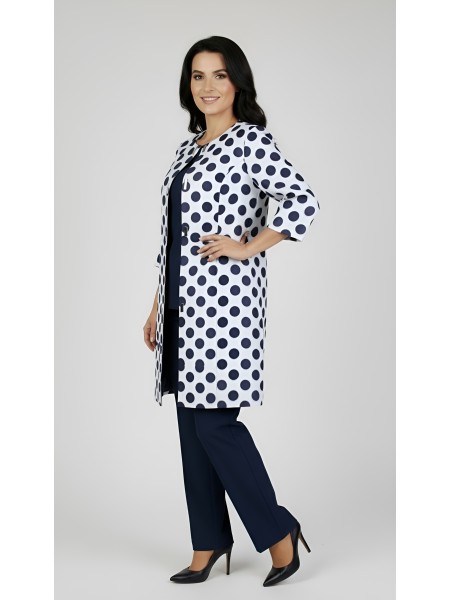
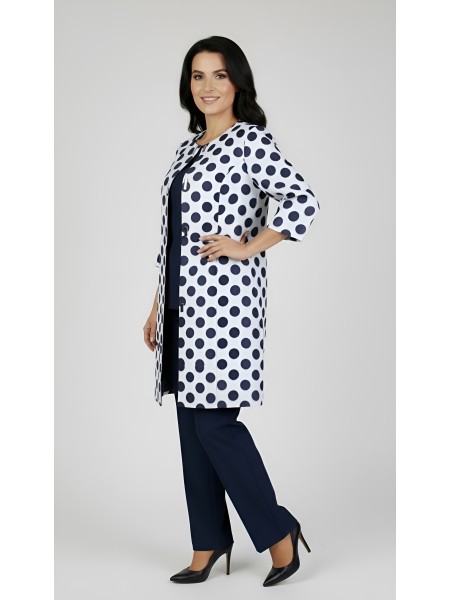
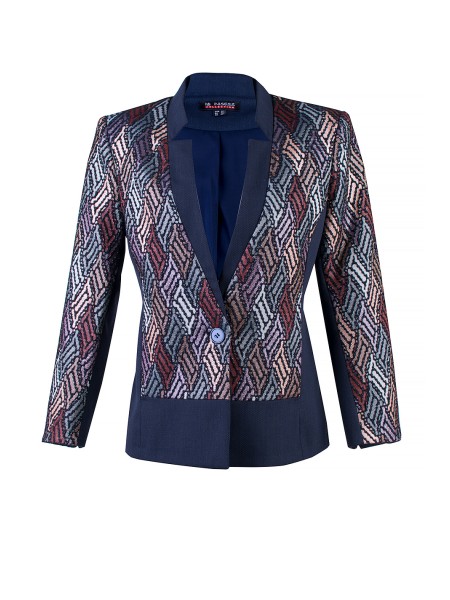
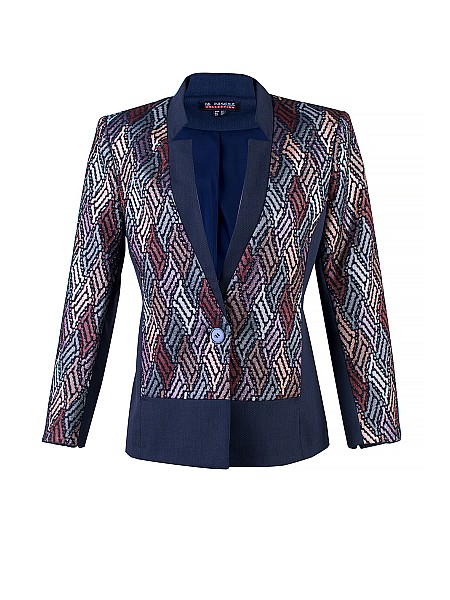
Sale – Dresses, Blouses, Skirts, Blazers, Denim & Seasonal Offers
INISESS Sale currently contains 97 active catalogue records. Ninety-five have a valid active special price, while two active products do not currently have a valid special. Verified markdowns across the active-special products range from approximately 12.65% to 87.35%. The category is mainly women's fashion but also includes four active Men's Jeans products because this is a general Sale page rather than a women-only category. The guide therefore evaluates verified pricing together with fit, fabric, stock, season and real wardrobe use instead of treating the biggest percentage as the only buying signal.
What the Sale category really contains
INISESS Sale currently contains 97 active catalogue records. Ninety-five of those products have a valid current special-price record, while two active products do not. Category membership alone therefore should not be treated as proof that every item is discounted at this exact moment. The page is built around verified pricing status, product fit, stock reality and practical wardrobe value rather than around urgency language.
What the verified discount range looks like
Across the 95 active products with a current special price, the calculated discount range is approximately 12.65% to 87.35%. Two products sit below 20%, 14 fall between 20% and 39%, 31 between 40% and 59%, 41 between 60% and 79%, and 7 at 80% or more. The average calculated reduction is about 58.59%. These figures come from current base-price versus active-special-price records, not from promotional wording.
Two active products currently have no valid special price
Two active records assigned to Sale currently lack a valid active special price: model J 21149, an elegant women's coat from 2021, and model J 23123, a bright yellow women's cardigan from 2023. They may remain mapped to the category for catalogue or historic reasons, but this page does not call them currently discounted. The live product page should determine the current selling price.
Active does not mean every item is purchasable
Of the 97 active records, 78 currently show quantity above zero and 19 show quantity zero. Total product quantity can also differ from real size- or variant-level availability. A strong discount is irrelevant if the shopper's size or colour cannot actually be ordered. The category therefore describes active catalogue scope without claiming that all 97 products, or all of their sizes, are in stock.
Sale is not restricted to women's products
This is a general Sale category rather than a women-only promotion page. Eighty-eight active records overlap with Women's Clothing, while four active products belong to Men's Jeans. Those four men's jeans are legitimate here because the Sale page is not gender-limited. Shoppers who already know the product family can move into the specialist category for a cleaner comparison.
Which product years appear in Sale?
Active products span 2017 through 2026. There are 5 records from 2026, 5 from 2025, 13 from 2024, 17 from 2023, 8 from 2022, 16 from 2021, 15 from 2020, 6 from 2019, 7 from 2018 and 5 from 2017. Sale is therefore not simply a short-term new-season campaign. It combines current and older active products whose pricing status varies by record.
Women's dresses are a major part of the edit
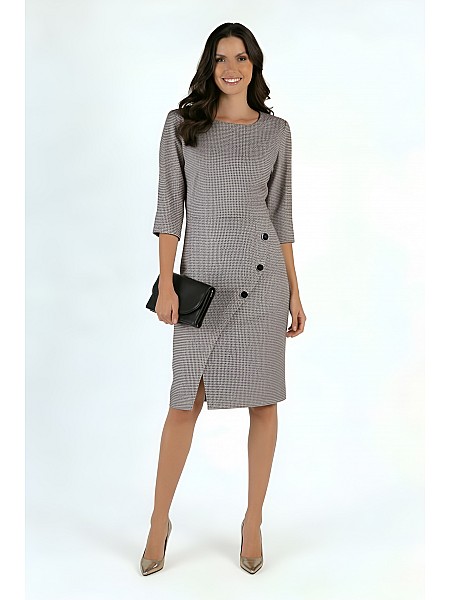
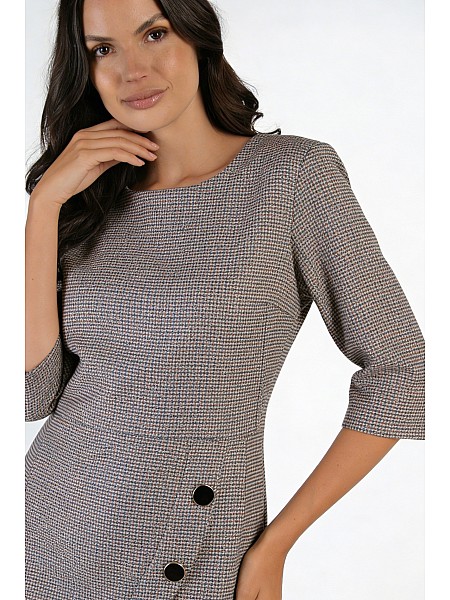
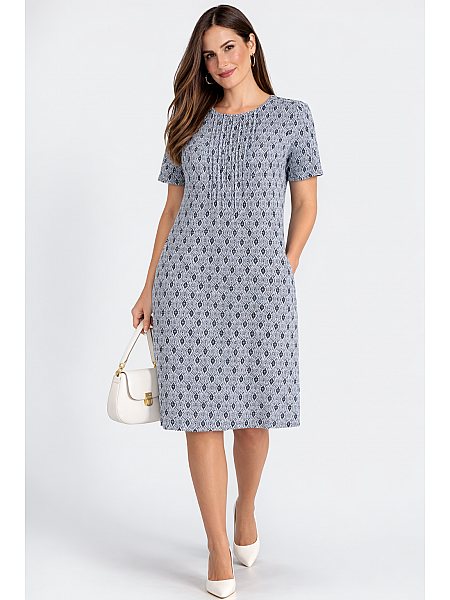
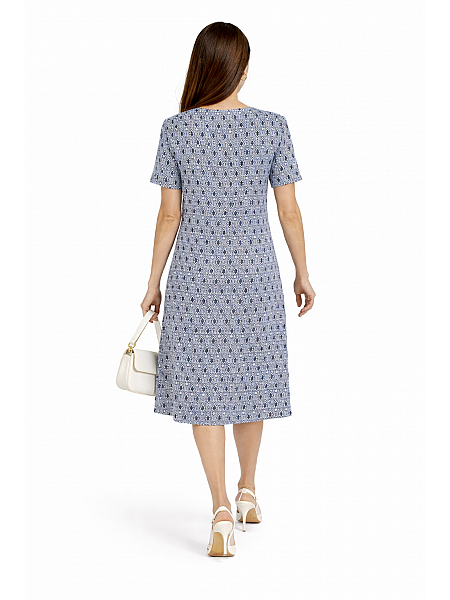
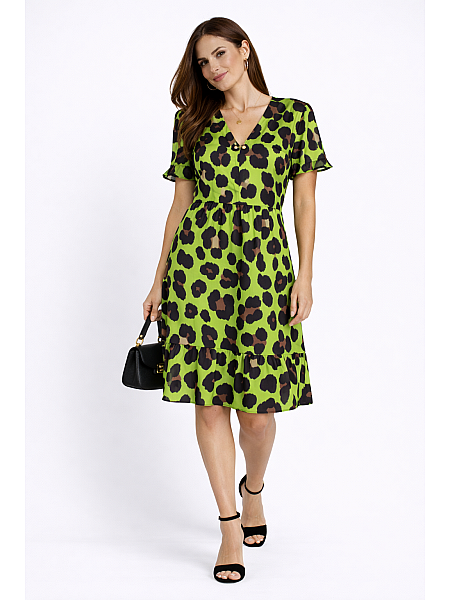
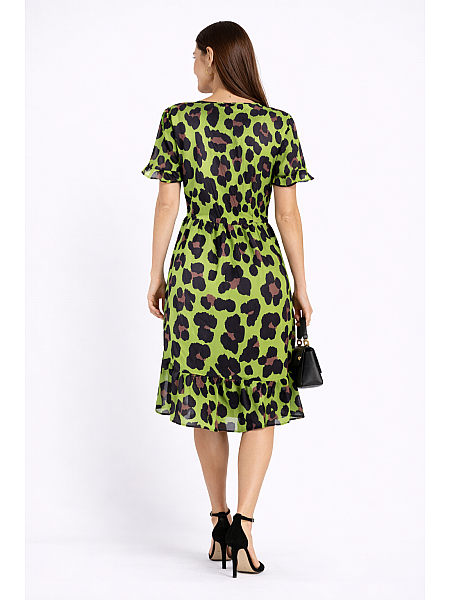
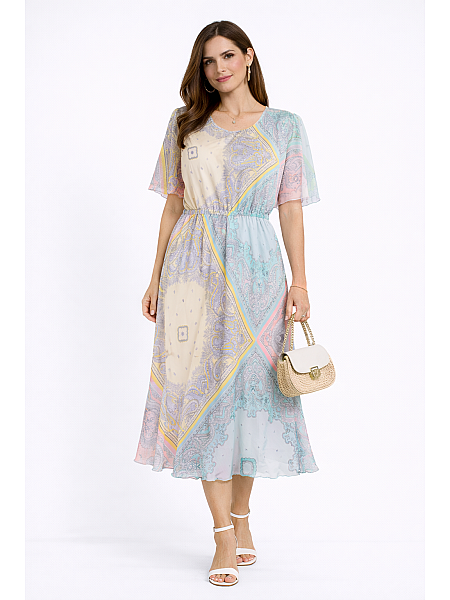
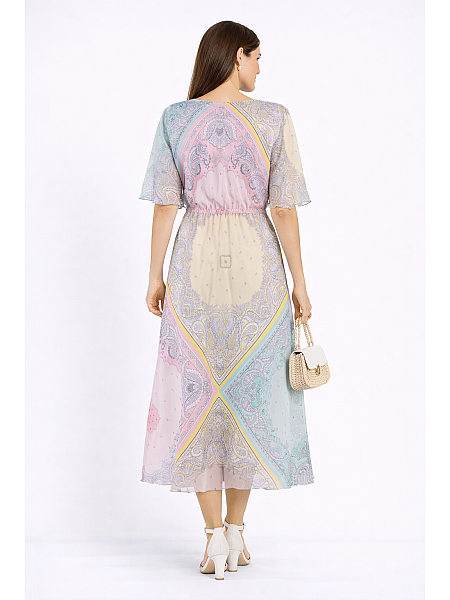
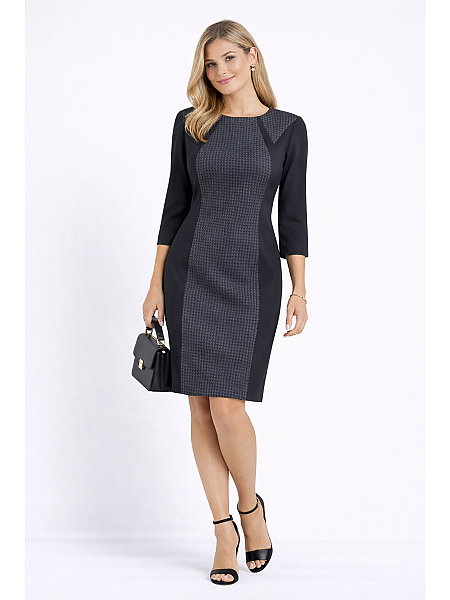
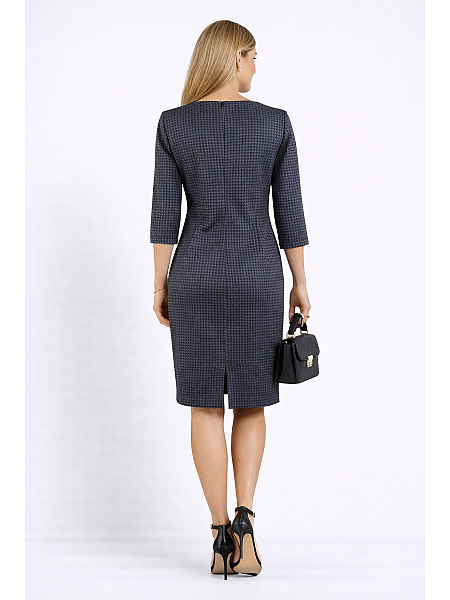
Twenty-eight active Sale products overlap with Women's Dresses. The range includes everyday, knitted, jacquard, chiffon, occasion and other dress directions from different seasons. A reduced dress should still be judged by bust, waist, hip, torso length, lining, fabric and real occasion. A large markdown does not make the wrong fit or wrong event category a good purchase.
Shirts and blouses on sale
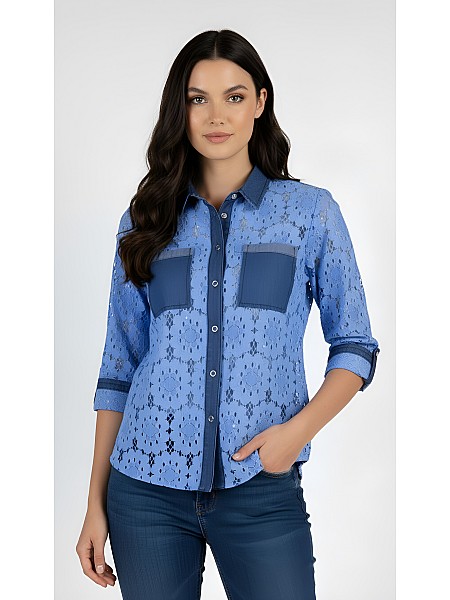
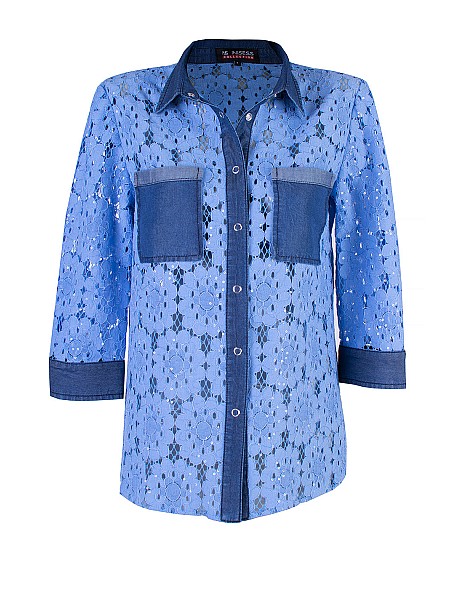
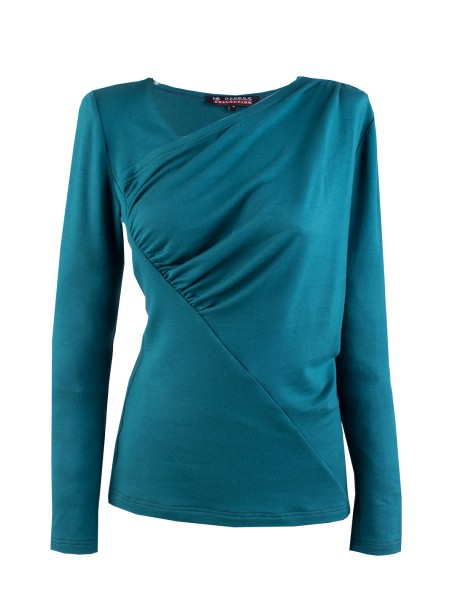
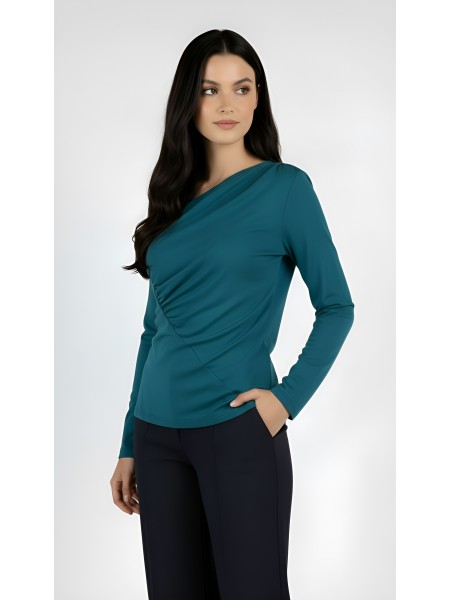
Twenty-two active products overlap with Women's Shirts & Blouses. The assortment can include Tencel denim shirts, silk-led blouses, knit tops, printed pieces and short-sleeve styles. High discount does not change opacity, care or fit requirements. Pale or fine fabrics should still be checked for lining, coverage and undergarment visibility before the price reduction influences the decision.
Skirts on sale
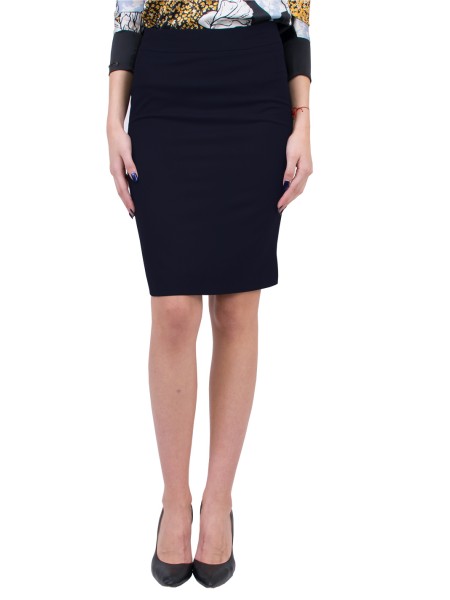
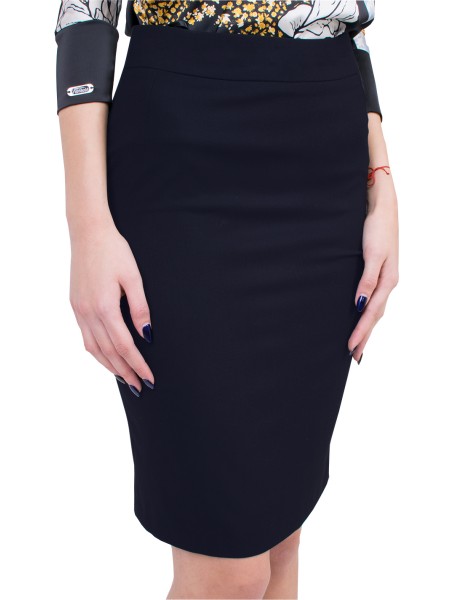
Seventeen active products overlap with Women's Skirts. Denim straight skirts, short denim skirts, long denim skirts and more classic styles appear in the category. Waist, hip, lining, slit, length and footwear relationship remain important. Buying a skirt only because the percentage is high is not a saving if it creates no useful outfits with the wardrobe the shopper already owns.
Blazers on sale
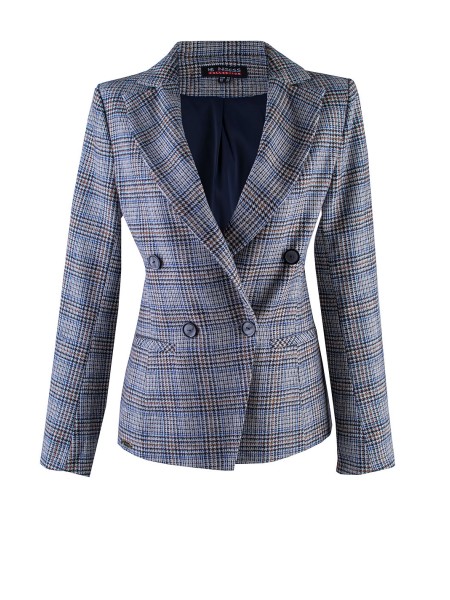
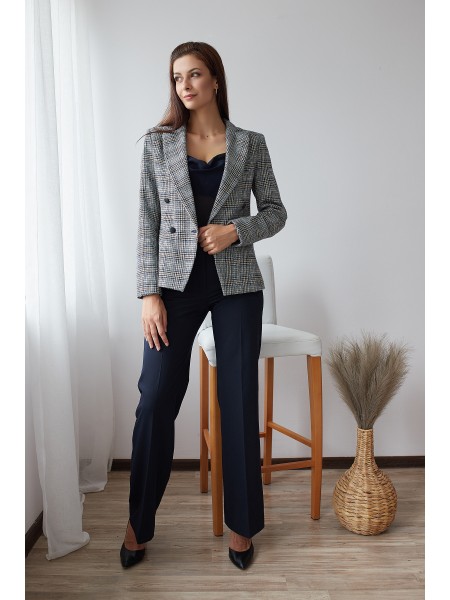
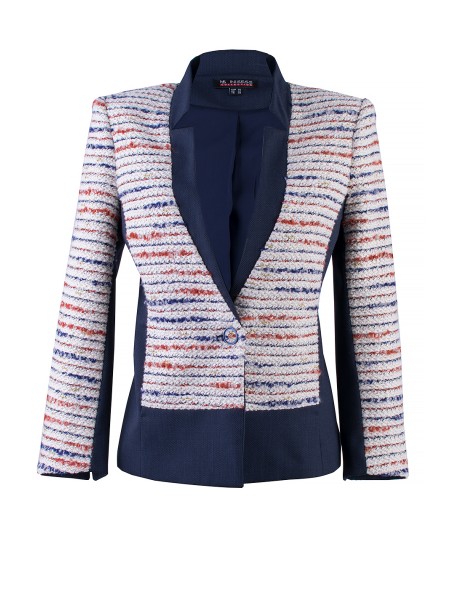
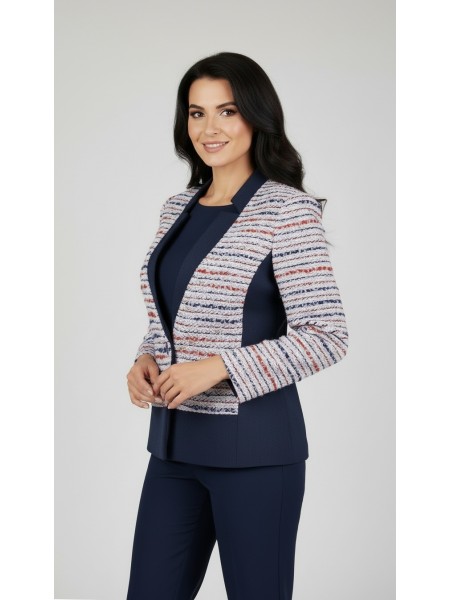
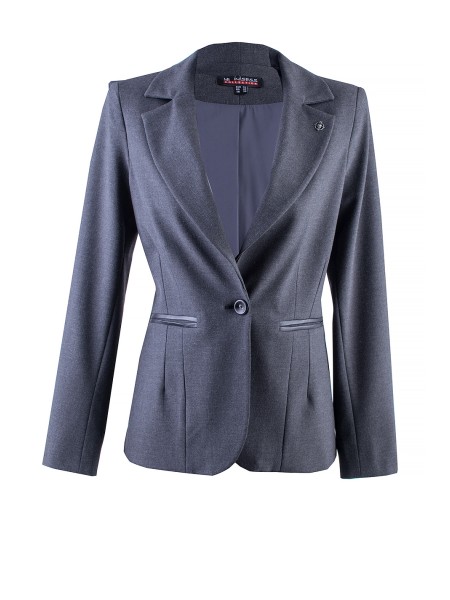
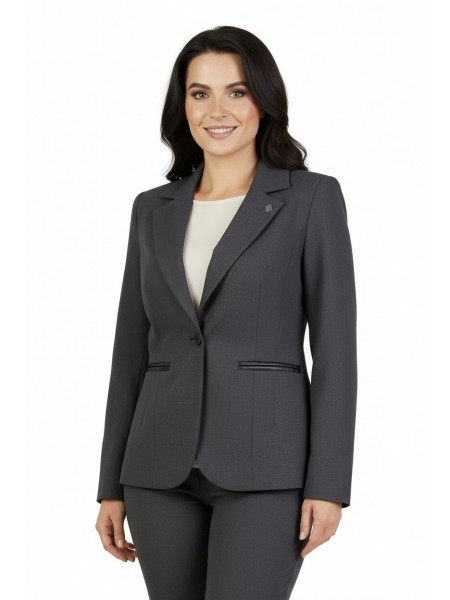
Fifteen active products overlap with Women's Blazers. Wool-led, cotton, Tencel or other surfaces may appear. Shoulder fit is one of the most important checks because shoulder alterations are often more complicated than simple sleeve or hem changes. The blazer should be assessed open, closed, seated and with intended layers. A large markdown cannot correct a poor shoulder fit.
The category spans several seasons
Sale overlaps heavily with seasonal pages: 87 active products with Spring Women's Clothing, 68 with Summer, 58 with Autumn and 22 with Winter. These figures can overlap because one garment can work across seasons. Sale therefore does not simply mean “end of one season.” Shoppers can compare Spring, Summer, Autumn and Winter according to actual fabric and climate needs.
New In and Sale are not opposites
Thirty-one active Sale records also overlap with New In. A newly added product can still carry a valid special price. “New” and “discounted” are therefore separate attributes. The page does not assume that every sale item is old stock or that every newly added item must be full price. Product year and current pricing status should be read independently.
Last Pieces and Sale are different shopping intents
Twelve active products overlap with Last Pieces. Last Pieces relates more closely to limited remaining inventory, whereas Sale is centred on pricing. A product can be both discounted and low in stock, but not every discounted product is a final piece. Limited availability should never pressure a shopper into accepting the wrong size.
Unique Pieces and Sale are not the same thing
Five active products overlap with Unique Pieces. A unique or limited model may describe rarity or design structure, but it does not itself prove a current price reduction. Sale status must still be checked through the active special-price record. Rarity can be useful if it fills a real wardrobe need, but uniqueness alone is not a reason to buy.
Does the highest percentage automatically mean the best deal?
No. An 80% or larger reduction represents a strong mathematical price difference, but the garment still has to fit, suit the shopper's lifestyle and work with existing clothes. A highly discounted item worn once may offer less real value than a smaller reduction on a blazer, shirt or skirt used repeatedly. Discount percentage and expected use should be evaluated together.
Is a smaller reduction unimportant?
No. A 12% to 20% reduction on the right staple can still be valuable. The category should not train shoppers to chase the biggest number only. If a product will be worn frequently, fits correctly and replaces a genuine wardrobe need, a smaller discount can produce stronger cost per wear than a dramatic markdown on an unsuitable item.
The under-20% band
Two current special-price products fall below 20% off. This small group demonstrates that the Sale category is not restricted to deep clearance. Such a reduction can still matter on an item the shopper already intended to buy. Product quality, fit, current stock and use remain more important than whether the markdown feels visually dramatic.
The 20%–39% band
Fourteen current special-price products sit between 20% and 39% off. This level offers a clear price advantage without telling us anything about launch year, product quality or future stock. The garment may be recent or older; the database does not justify guessing why the reduction exists. Shoppers should compare actual product details instead of interpreting the percentage as a quality signal.
The 40%–59% band
Thirty-one active special-price products fall in the 40%–59% range. This is a substantial reduction, but a wrong size remains wrong at half price. Dresses, blouses, skirts and blazers from several years appear in the wider Sale pool. Existing wardrobe compatibility, care requirements and alteration needs should be checked before the price difference becomes the deciding factor.
The 60%–79% band
Forty-one active special-price products fall between 60% and 79%, making this the largest verified discount band. High percentages can create urgency, but the buying process should become more careful, not less. Check measurements, current stock, fabric, season, care and outfit potential. A strong markdown is useful only when the product will actually be worn.
The 80%+ band
Seven active special-price products currently calculate at 80% or more off. These are real database-derived reductions, but they may involve older seasons, narrower size availability or more specific styling. The page does not rank them as the best products in the category. The shopper's actual wardrobe need determines whether the price reduction becomes useful value.
What the highest verified markdown tells us
The highest current calculated reduction is about 87.35% on a denim straight-skirt record. This confirms that very deep reductions are genuinely present in the category. It does not mean every product is close to that percentage, nor that this skirt is the best choice for every shopper. The full verified range is wide, so each product's pricing should be read independently.
How to interpret the average discount
Across the 95 products with valid active specials, the average calculated markdown is about 58.59%. That is useful as a category-level pricing snapshot, not as a promise about any individual item. An average says nothing about a shopper's size, stock availability, garment quality or fit. The live product price is the relevant figure at purchase time.
Does a discount mean lower quality?
No such conclusion is supported by the catalogue data. A special price can result from seasonality, inventory strategy, campaign pricing or other commercial reasons, and the database does not document a reason for every product. The category therefore does not equate reduced price with lower quality. Fabric, stitching, lining and construction should be assessed from the specific product information.
Can an older-season product still be a strong purchase?
Yes. The Sale pool spans nearly a decade of active records. A classic blazer, denim skirt, simple shirt or everyday dress can remain useful long after its launch year if the cut, fabric and size still suit the shopper. Older products should not be disguised as new season, but older year alone does not make them irrelevant.
Why can recent products also be discounted?
Products from 2025 and 2026 are present in the category. A recent launch year does not prevent a product from receiving a special price. Commercial pricing can change for many reasons. The content does not speculate about motive; it reports current pricing reality. For the shopper, the important questions remain whether the special is active and whether the product fits the intended use.
Fit should come before the markdown
One of the easiest Sale mistakes is accepting the wrong size because the price is attractive. Incorrect shoulder, waist, hip, torso or hem fit can create a garment that is rarely worn. Some areas can be altered, but alteration difficulty and cost vary. Start with measurements and product shape, then evaluate the price advantage after the fit is credible.
Do not let low stock force the wrong size
Products that also sit in Last Pieces can create additional pressure. If the remaining size is not the shopper's size, scarcity is not an advantage. A final piece that requires major alteration or remains uncomfortable can turn a discount into wasted spend. Where product measurements exist, compare them with a similar garment that already fits well.
How to assess a discounted dress
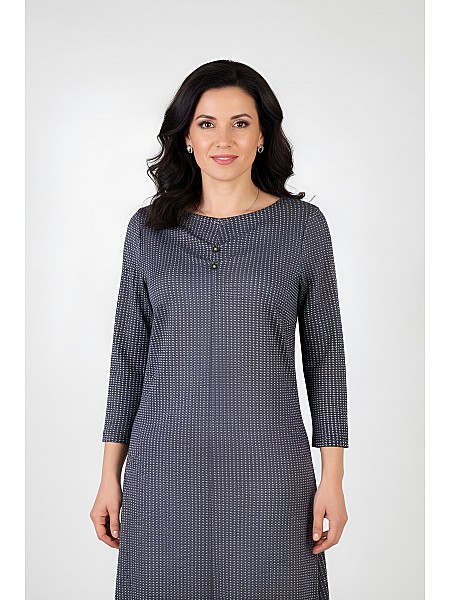
For dresses, check bust, waist, hip, torso length, sleeve, lining and real occasion. Summer knit, jacquard, chiffon, everyday and formal dresses can all appear in the Sale pool. A 70% reduction does not make a formal dress suitable for work or a light summer dress suitable for winter. Styling and seasonal use should remain grounded in the actual garment.
How to assess a discounted blouse
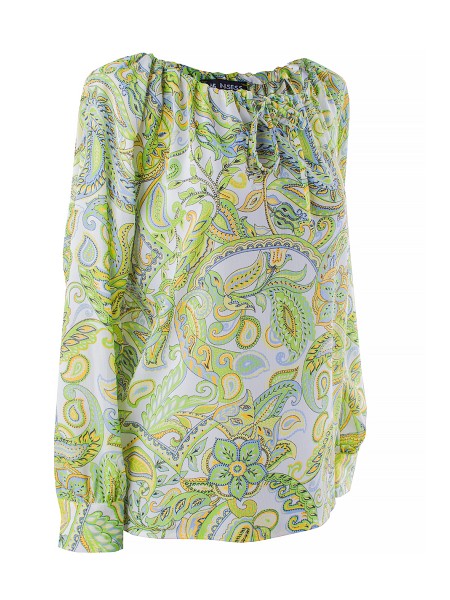
Neckline, sleeve, armhole, opacity, surface and shoulder fit matter. Silk-led, Tencel denim, knit or cotton blouses may require different care. Pale and fine fabrics should be checked for show-through. If the blouse cannot be combined with trousers, skirts or jackets already owned, a high markdown may still produce low practical value.
How to assess a discounted skirt
Check waist and hip fit, lining, slit, length and footwear. Denim skirts can feel structured while other fabrics may move more. Mini, midi and longer forms serve different settings. The useful question is not simply “how much is it reduced?” but “how many real outfits can I build around this skirt?”
How to assess a discounted blazer
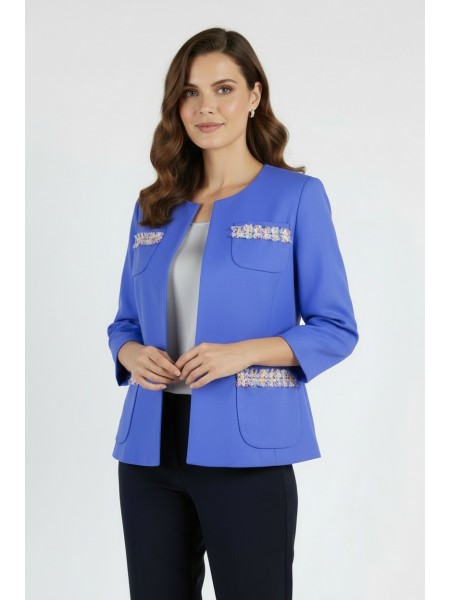
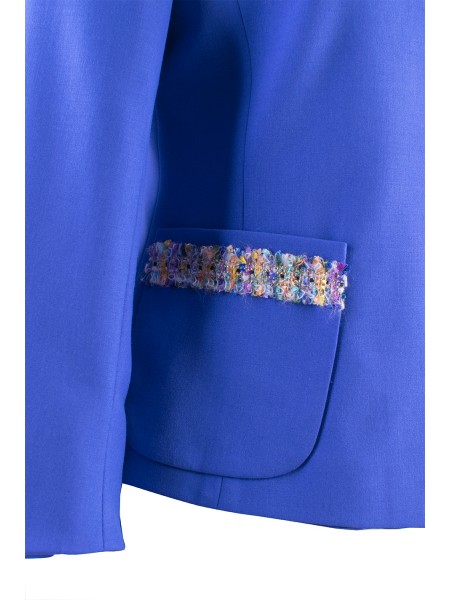
Shoulder fit is the first priority. Sleeve length and waist can sometimes be adjusted, but shoulder reconstruction is more complex. Try the blazer open and closed, seated and over the layers you expect to wear. Fabric and lining determine seasonal range. A high markdown does not transform a restrictive blazer into a practical one.
Discounted coats and outerwear
Sale includes coats and other outerwear. Check room for inner layers, shoulder mobility, sleeve length, fastening and actual warmth. A coat that fits over a blouse may become tight over knitwear. Waterproofing or temperature protection should not be invented unless the product confirms it. Seasonal suitability remains separate from discount percentage.
How to assess discounted jeans
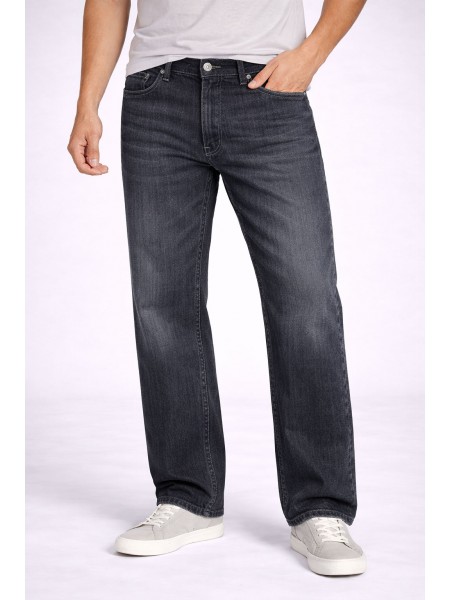
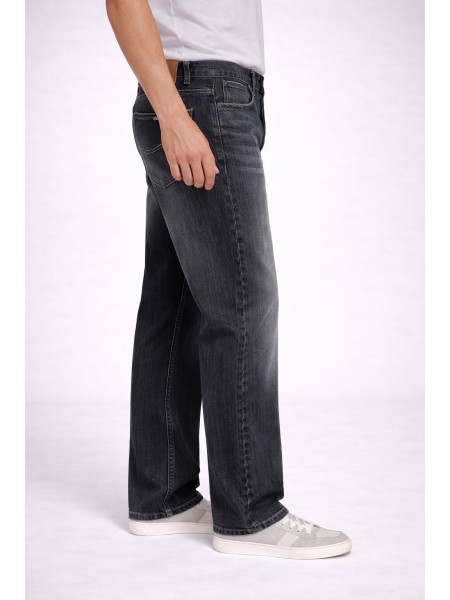
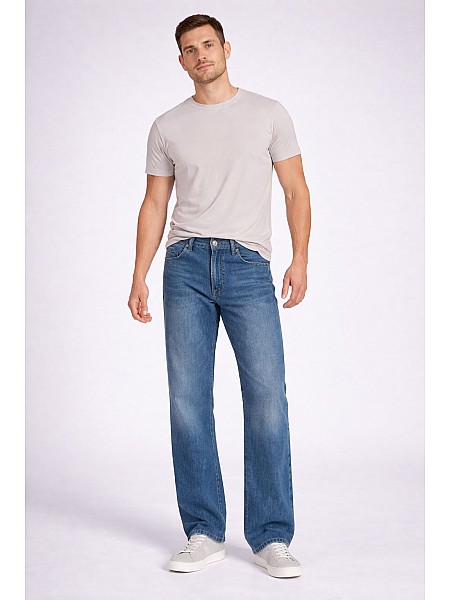
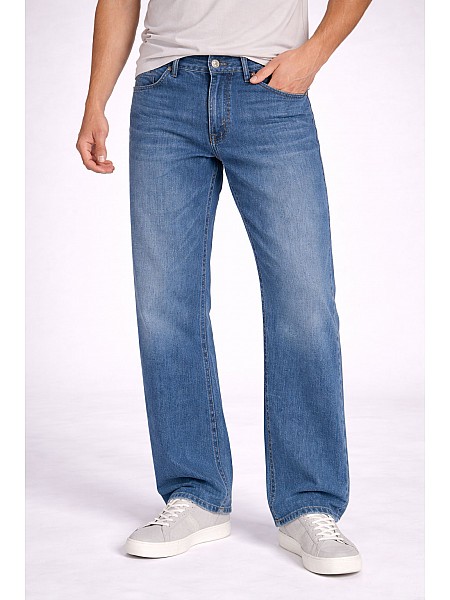
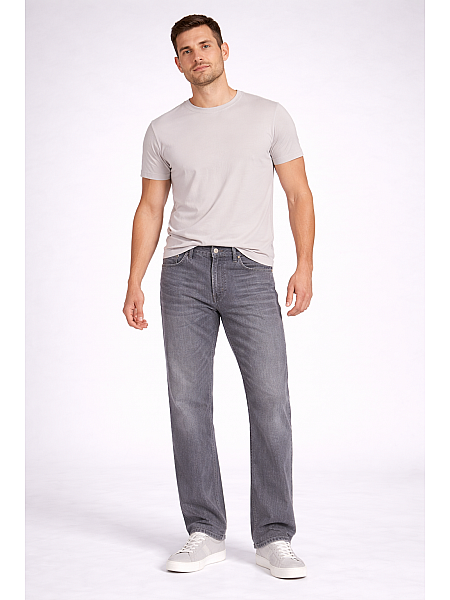
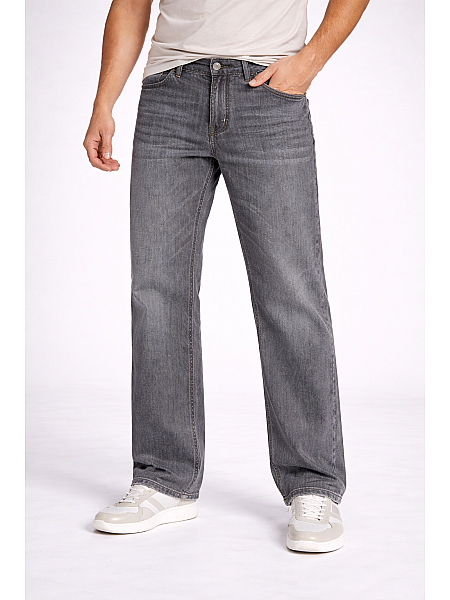
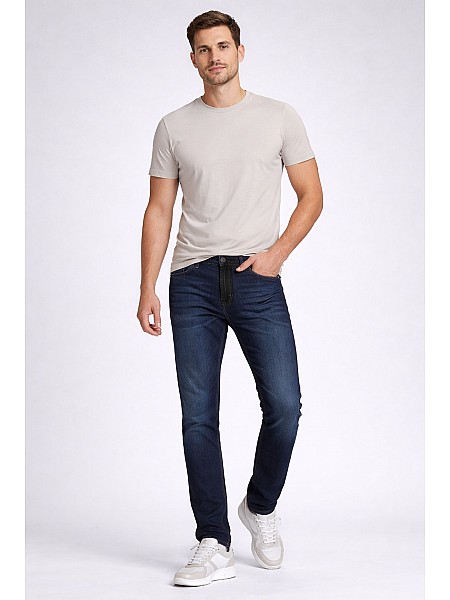
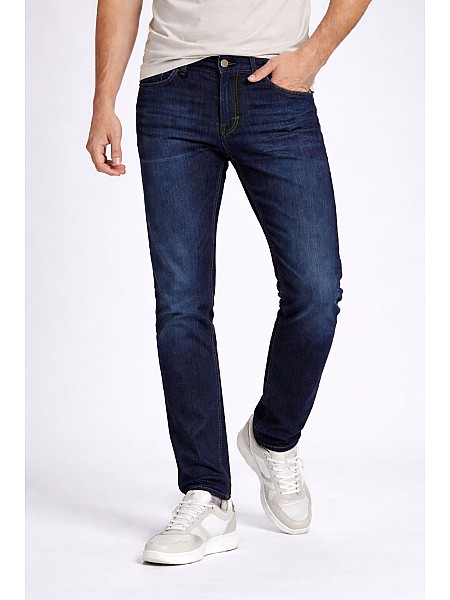
For jeans, evaluate waist, hip, thigh, knee and leg shape. Four Men's Jeans products also appear legitimately in this general Sale page. Slim, straight and other denim constructions do not fit identically. A correct size and appropriate fabric structure are more durable decision factors than the size of the markdown.
Navigating women's and men's products separately
Because Sale is general, both women's fashion and a small Men's Jeans group can appear. Once shoppers know the product type, specialist categories make comparison easier. Use Women's Clothing for the broader women's range or Men's Jeans for the men's denim products. Sale adds price intent; specialist pages add product-type context.
Discount does not equal current-season suitability
A garment can be discounted outside the season in which it will be most useful. A summer dress may be on sale in cold weather; a wool jacket may be reduced during a warmer period. Seasonal pages help separate price opportunity from actual climate use. Fabric, lining and the shopper's environment should be considered before purchasing.
Spring products on sale
Eighty-seven active Sale products overlap with Spring Women's Clothing. This large overlap shows how strong transitional merchandise is within the Sale pool. Blouses, skirts, blazers and lighter layers may come from several years. Shoppers should compare the garment with their own climate and layering needs rather than treating the Sale label as a seasonal recommendation.
Summer products on sale
Sixty-eight active Sale products overlap with Summer Women's Clothing. Summer knit dresses, short-sleeve tops, white shirts, linen trousers and lighter garments can appear. Opacity, fabric weight and fit remain more important than markdown size. Buying at the end of a season can still make sense if the product has repeat use in the next warm season.
Autumn products on sale
Fifty-eight active Sale products overlap with Autumn Women's Clothing. Blazers, knitwear, skirts, denim and transitional outer layers may appear. Layering allowance and footwear interaction matter. A deeply discounted jacket that is too tight over the intended layers is still the wrong purchase.
Winter products on sale
Twenty-two active Sale products overlap with Winter Women's Clothing. Wool dresses, knitwear, coats and warmer constructions can be included. Check actual warmth needs and care requirements. A product name that includes wool does not reveal the full blend, so composition should be confirmed at product level.
Sale, outlet and promotions are related but not identical
The existing English SEO URL is `promotions`, while the category name is Sale. Outlet, sale, promotion, clearance and final-stock language can represent different commercial concepts. This page is best understood as a pricing-intent hub with many active special prices. The historical URL is preserved for SEO continuity, while the content explains the real pricing status rather than forcing one marketing label.
How base price and special price should be read
The discount percentage is calculated from the current base price and active special price. The most important shopper-facing information is the live price shown on the product page. Fixed currency amounts are not embedded in the category copy because prices can change. A special seen last month or last season may no longer be active today.
Why discount percentages can change
If either the base price or the special price changes, the calculated percentage changes as well. Special records can also use start and end dates. The current distribution therefore represents the verified state at the time of audit, not a permanent promise. Shoppers should use the live product page at checkout.
Do not invent countdowns
If the database does not clearly support a promotion end date, the category should not use “ends tonight,” “last day” or similar pressure claims. The special price itself can be described when active; an expiry should be stated only when actually verified. Accuracy is more valuable than artificial urgency.
Returns and warranty should not be guessed
The category data does not establish special return or warranty rules for discounted merchandise. The content therefore does not invent a “sale items cannot be returned” policy or any other exception. Shoppers should review the store's current policy separately. A lower price does not automatically change consumer conditions.
Discount does not imply a defect
Being in Sale or having a special price does not prove a garment is defective. A fault, sample status, seconds condition or outlet reason would need separate documentation. The page also does not make the opposite blanket promise that every discounted item is flawless. Product photography and descriptions should reveal any documented special condition.
Colour is not a documented reason for discount
The catalogue does not tell us that a particular colour, print or size caused the reduction. Black, white, red, turquoise, denim and patterned garments can all appear. Shoppers should choose colour according to wardrobe and use rather than guessing why a specific shade received a special price.
Older collection is not synonymous with outlet
Not every older-season garment is necessarily outlet, and not every Sale item is old. Products from 2026 and 2017 both appear. Sale status should be read from current pricing data, while launch year provides historical context. Combining the two into an automatic quality or relevance judgment would be misleading.
Price is not a quality score
A high original price is not proof of superior quality, and a reduced price is not proof of low quality. Sale data verifies a pricing difference only. Fibre composition, lining, hardware, stitching and construction should be assessed separately. Shoppers should avoid treating the pre-sale price as a substitute for examining the garment itself.
Check fabric before buying
The Sale pool includes product names referencing Tencel, cotton, wool, silk, denim, linen and other fabric directions. A name does not always provide full percentages. Technical composition should be confirmed in the product details. Care, warmth and opacity do not follow directly from the discount rate.
Include care cost in the decision
Some garments may require delicate washing, careful ironing or professional cleaning. These ongoing requirements can affect total ownership cost. A heavily discounted garment that is expensive or inconvenient to maintain may deliver less value for a particular shopper. The care label should guide the decision rather than assumptions based on fibre names.
Include alteration cost in the decision
A trouser or skirt hem may be relatively straightforward to adjust, while shoulders, structured bodices or complex garments can be more difficult. Buying the wrong size because the discount is large can introduce alteration cost that reduces the saving. Compare product measurements with a well-fitting garment before assuming tailoring will solve everything.
Use cost per wear, not discount percentage alone
A 30%-off blazer worn ten times may deliver better value than an 80%-off occasion dress worn once. Cost per wear depends on personal use, but it changes the way Sale is evaluated: first establish the need and outfit potential, then consider the markdown. This helps separate genuine wardrobe value from the excitement of a large percentage.
The three-outfit test
Before buying, imagine at least three complete outfits using items already owned. If the discounted piece requires a new shoe, bag and several new tops before it works, the real spend is higher than the ticket price. This test is particularly useful for strong prints, unusual colours and statement silhouettes.
Staple or statement piece?
Sale can include both staples such as white shirts and more distinctive jacquard, zebra or unusual-cut pieces. A staple can earn value through frequent wear; a statement item can fill a specific occasion or creative role. Neither is automatically the better deal. The shopper's current wardrobe gap should determine which type has more value.
White shirts as repeat-wear products
One of the verified deeper-discount examples is a white women's shirt. A white shirt can repeat across work, smart casual and everyday outfits. Opacity, collar shape, shoulder and sleeve fit still need checking. A strong markdown does not remove the technical questions that determine whether the shirt becomes a true wardrobe staple.
Denim skirts as repeat-wear products
The highest verified markdown currently appears on a denim straight-skirt record. Denim bottoms can have strong repeat-wear potential, but the specific skirt's year, length, waist-hip fit and live availability matter. The percentage does not make it the universal best choice. The useful purchase is the one that connects to the shopper's actual wardrobe.
Formal dresses on sale
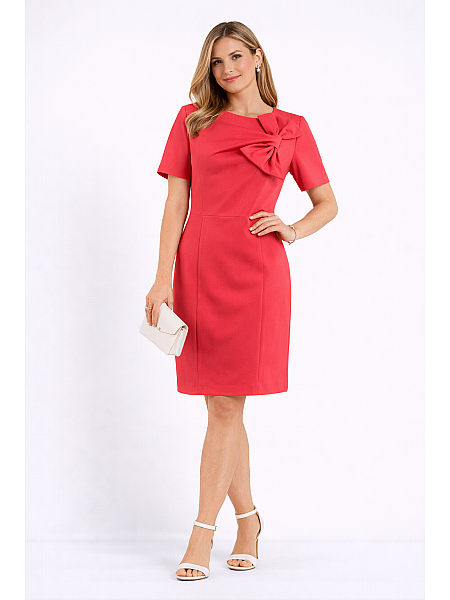
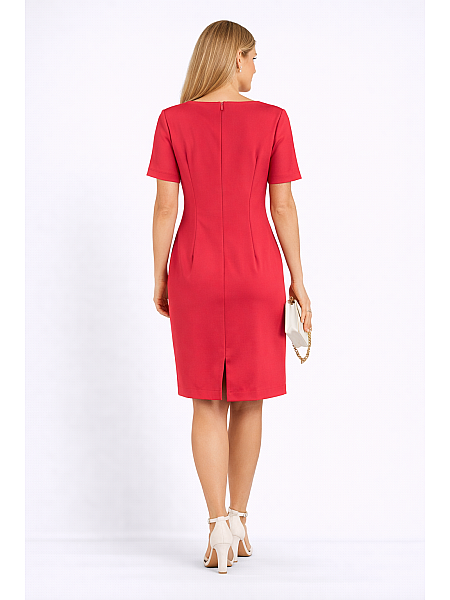
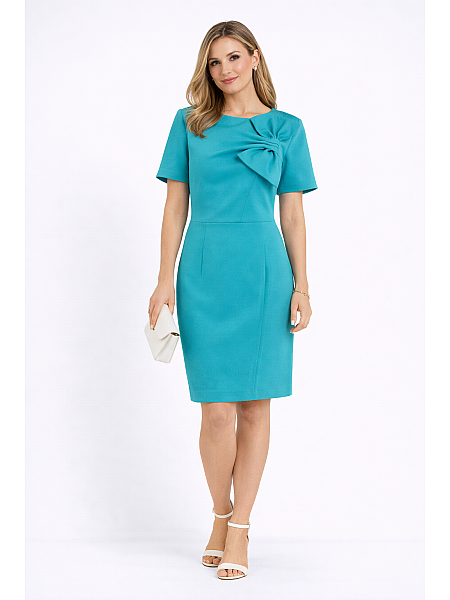
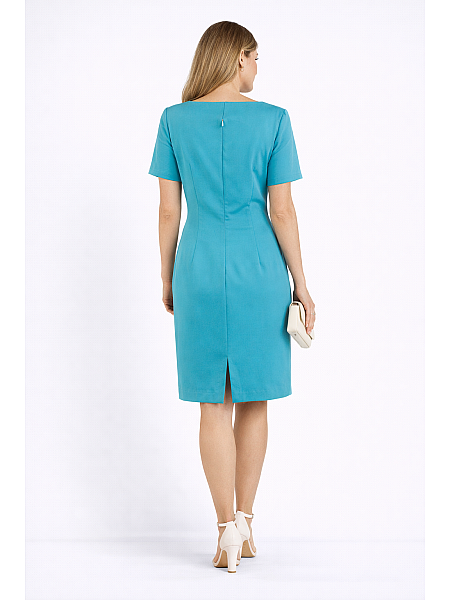
The Sale pool contains red, turquoise, black, jacquard, chiffon and embellished occasion-oriented dresses. A reduction can make a special-event garment more accessible, but dress code, torso length, fit and expected repeat use still matter. Consider whether the dress can work beyond one event before judging its real value.
Everyday dresses on sale
Everyday dresses can provide strong value even at a smaller reduction because they may be worn more frequently. Fabric, pockets, sleeves, length and washability become practical criteria. The category therefore treats price as only one part of the decision and encourages shoppers to match the garment to real routines.
Knitwear on sale
Knit blouses and similar pieces may work in transitional or colder periods. Knit weight, stretch, pilling behaviour and fibre blend are not always clear from a product title. The Sale percentage does not change those technical properties. Read the product description and care label before deciding whether the garment matches the intended season and maintenance routine.
Wool-led pieces on sale
Wool dresses or jackets can appear in Sale. The word wool does not reveal the complete blend, and warmth needs vary by climate. A deeply reduced wool piece may still have low personal value in a warm environment if it is rarely worn. Climate and lifestyle should be considered alongside the price difference.
Silk-led products on sale
Products described with silk should be checked for actual fibre composition and care instructions. Silk or silk-blend garments may require more delicate handling. A special price does not reduce maintenance needs. Shoppers who do not want delicate care may get more long-term value from another fabric even if its markdown is smaller.
Denim products on sale
Denim skirts, jeans and denim shirts can use different weights and stretch. Tencel denim and classic cotton denim are not identical. Check fabric weight, stretch, wash, waist-hip fit and length. Denim has a durable reputation, but each garment's actual construction should still be assessed independently.
How to approach a Last Pieces overlap
If an item appears in both Sale and Last Pieces, a restock should not be assumed, but the category also should not make an absolute “never returning” claim without evidence. If the correct size exists, the shopper can evaluate it normally. If it does not, scarcity should not justify buying the wrong size.
How to approach a Unique Pieces overlap
If an item also appears in Unique Pieces, it may carry a more distinctive or limited design direction. That does not automatically explain the special price. Rarity can fill a wardrobe gap or make styling harder. The practical use case should be clear before uniqueness becomes a purchase reason.
Why product photography matters even more in Sale
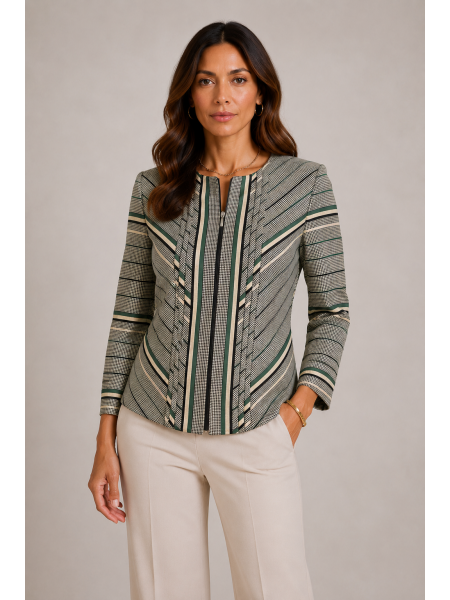
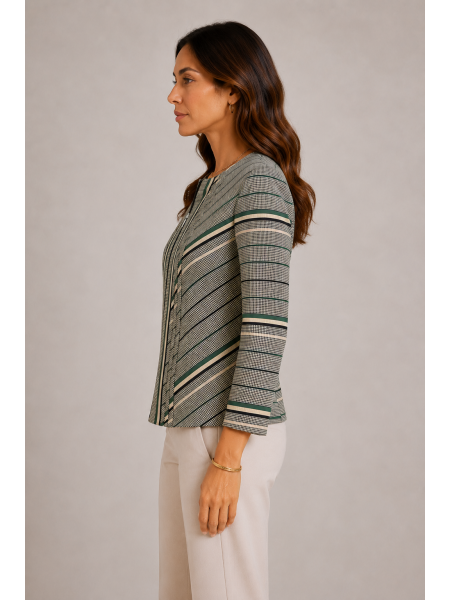
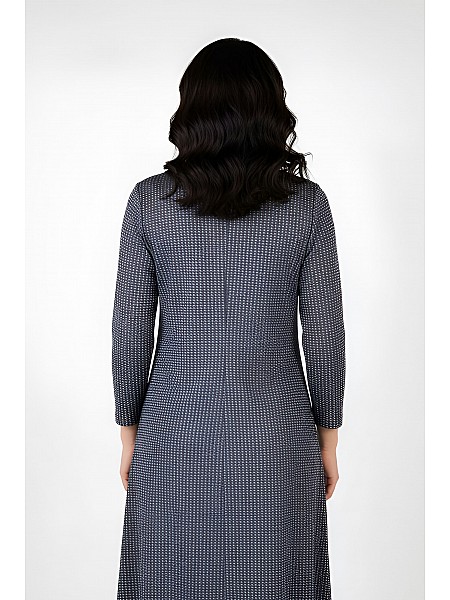
Sale psychology can encourage fast decisions, making careful image review more important. Front, side, back and detail shots reveal different information about fabric surface, shoulders, pockets, neckline, hem and colour. Screen brightness can shift colour. A markdown should never replace basic visual and technical inspection.
Why the full product description matters
A product title rarely contains all technical details. Fibre composition, lining, fastening, pockets, care, fit or season can appear deeper in the description. Even an 80% reduction is not enough information for a sound purchase. The Sale page should guide shoppers toward the product record rather than toward a rushed checkout.
Why active-special verification matters
A product may have been discounted historically but no longer have a valid special today. The two active records without current specials demonstrate why category membership and live pricing must be read together. The page uses current active-special data and does not carry an expired promotion forward as though it were still valid.
How the percentage is calculated
The markdown is the mathematical difference between current base price and valid active special price. If a valid special is missing, a reliable current reduction cannot be calculated. The category-level distribution therefore uses only products with both a meaningful base price and an active special. This keeps the analysis grounded in actual price data.
When to skip a sale item
Skip the product when the correct size is unavailable, the care routine does not suit you, the garment does not work with your wardrobe, the use case is unclear or the percentage itself is the only reason it is attractive. Not buying an unnecessary discounted product is also a form of saving. Sale should support better decisions, not simply more purchases.
When a sale item may be worth considering
A special price becomes useful when the product fills a real need, the correct size and colour are available, fabric and care suit the shopper, several outfits are possible and the special is actually active. In that situation the price advantage and real use reinforce each other rather than competing.
Filtering the Sale category intelligently
Shoppers usually need to separate product type, size, season, colour and price advantage. Once the garment type becomes clear, specialist categories improve comparison: Women's Dresses, Women's Shirts & Blouses, Women's Skirts and Women's Blazers provide focused product-type paths. Sale remains the cross-category pricing layer.
Where Sale sits in the site silo
Sale is a horizontal price-intent page rather than the authority page for any one garment type or season. A shopper searching for a discounted dress can use both Sale and Women's Dresses, but once the product type is known, the specialist category should carry more product-specific guidance. Sale supports these pages by adding verified pricing context rather than competing with them.
Pre-purchase checklist
Confirm that the product still has an active special, calculate or review the real markdown, check correct size and colour availability, product year, fibre composition, care, lining or opacity, seasonal suitability, outfit potential and likely alteration needs. A large percentage should not be the sole reason to buy when these practical questions remain unresolved.
Category data is not a permanent price or stock guarantee
The 97 active records, 95 current specials and 78 quantity-positive products reflect the verified catalogue state at this audit point. Prices, specials and stock can change. At the moment of purchase, the live product page should always take precedence over category-level statistics.
Frequently Asked Questions about Sale
How many active products are in Sale?
There are currently 97 active records.
How many currently have a valid special price?
Ninety-five active products currently have a valid special-price record.
Are there active Sale products without a current special?
Yes. Models J 21149 and J 23123 currently have no valid active special.
What is the verified discount range?
Across products with active specials, the calculated range is approximately 12.65% to 87.35%.
What is the average calculated discount?
Across the 95 active-special products, the average is approximately 58.59%.
Which discount band contains the most products?
The 60%–79% band is largest with 41 products.
Are all active products in stock?
No. Seventy-eight active records show quantity above zero and 19 show quantity zero.
Is Sale women-only?
No. It is mainly women's fashion but also contains four active Men's Jeans products.
Does a sale item have to be old season?
No. Products from 2025 and 2026 are also present.
Are Last Pieces and Sale the same?
No. A product can belong to both, but price reduction and limited remaining stock are separate concepts.
Does the biggest markdown mean the best deal?
No. Fit, fabric, use frequency and wardrobe compatibility still matter.
Does a special price mean the product is defective?
No such conclusion is supported by the category data; defects or special conditions require separate documentation.
Can the discount percentage change?
Yes. Changes in base price, special price or special validity can change the percentage.
Will the SEO URL change?
No. The existing `promotions` URL is preserved.
What should be checked before buying?
Confirm the active special, correct size and colour, real stock, fabric, care and how the product fits the intended use.