Spring Women's Clothing – Blouses, Trousers, Skirts, Suits, Denim & Light Layers
INISESS Spring Women's Clothing is not a single-year collection. It brings together 201 active products added between 2017 and 2026 under a spring-use intent, including shirts and blouses, skirts, trousers, suits, sets, jeans, denim jackets, jumpsuits and outerwear. Tencel, denim, cotton, linen and viscose directions all appear in the active product family, but real fibre composition, weight and seasonal suitability must still be checked on the individual product page.
What this category actually represents
INISESS Spring Women's Clothing is not a narrow collection from one calendar year. It currently brings together 201 active products whose added dates range from 2017 through 2026. The page therefore should not be written as “the Spring 2026 collection.” Its real purpose is to organize spring-use clothing across shirts, blouses, skirts, trousers, suits, sets, jeans, denim jackets, jumpsuits and outerwear while preserving each product's own season and technical identity.
What the active product distribution tells us
The 201 active products overlap with several major product categories. Thirty-eight intersect Women's Shirts & Blouses, 25 Women's Skirts, 22 Women's Trousers, 18 Women's Outerwear, 15 Women's Suits, 13 Women's Sets & Outfits, 9 Women's Jeans, 8 Women's Denim Jackets and 4 Women's Jumpsuits. These counts can overlap because one product may belong to more than one taxonomy path, but they show the real centres of gravity inside the spring assortment.
Does active mean everything is in stock?
No. Of the 201 active records mapped to Spring Women's Clothing, 169 currently show quantity above zero and the remainder show quantity zero. Active status is therefore not a stock guarantee. The category should not use broad claims such as “all in stock,” “last pieces” or “buy now.” Current size, colour, purchase availability and any preorder behaviour belong to the individual product page at the moment the shopper checks it.
Why the spring category is different from a dated collection
A dated collection category groups products around a specific launch period. Spring Women's Clothing works differently: it combines active items from multiple years according to seasonal use. The current active pool includes 44 products added in 2026, 23 in 2025, 27 in 2024, 25 in 2023, 19 in 2022, 30 in 2021 and additional active products from earlier years. The year should remain visible where relevant, but spring usefulness is not limited to new-season status.
Relationship with New In
One hundred nine active products in the spring category also overlap with New In. That means a large part of the page is supported by more recent merchandise, but Spring Women's Clothing is still broader than a new-arrivals feed. Shoppers who specifically want recent additions can use New In. The spring page should organize by seasonal use, layering and garment type rather than simply reproducing what is newest.
Why shirts and blouses are a major spring group
With 38 active overlaps, Women's Shirts & Blouses is one of the strongest product families inside the category. Spring tops can work alone, under a blazer or beneath lightweight outerwear as temperatures change. Sleeve length, neckline and fabric weight matter. A Tencel blouse, cotton shirt or viscose top may all suit spring in different conditions, but the category should never assume identical warmth or transparency from the fibre name alone.
The role of trousers in a spring wardrobe
Twenty-two active products overlap with Women's Trousers. Recent examples include Tencel wide-leg trousers, linen directions and viscose styles. The page does not reduce all spring trousers to one cut or material. Wide-leg, straighter, lighter and more structured trousers solve different wardrobe needs. Hem length, shoe height, waistband fit and the actual fabric should be considered together when deciding how a pair works in changeable spring weather.
Why skirts matter in spring
Twenty-five active products overlap with Women's Skirts. A skirt allows more styling flexibility than a one-piece dress because it can be combined with shirts, blouses, knitwear and blazers. Length, lining and fabric density determine how practical a skirt feels in wind or cooler temperatures. A lightweight flowing skirt and a more structured style may both belong to spring while behaving very differently in real weather.
How spring suits work
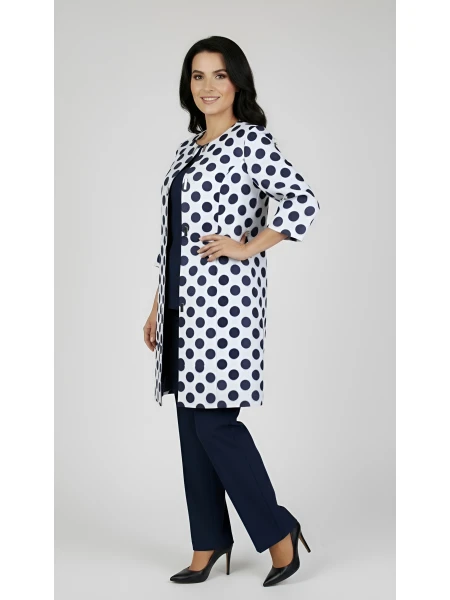
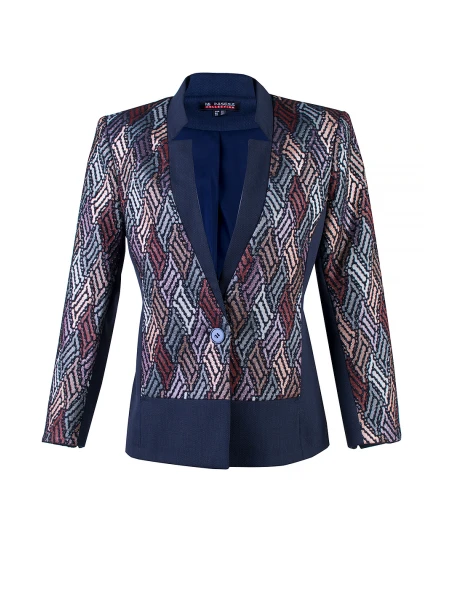
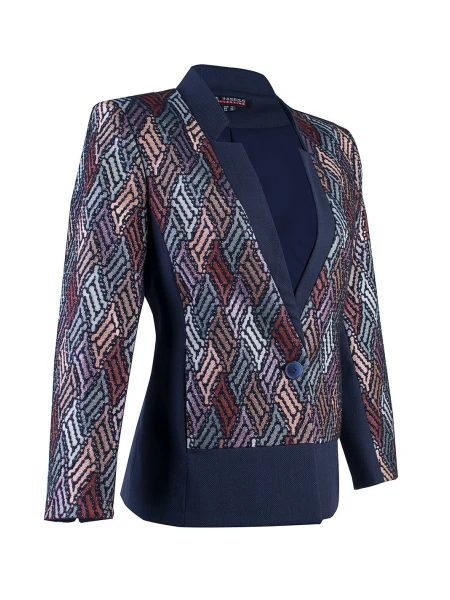
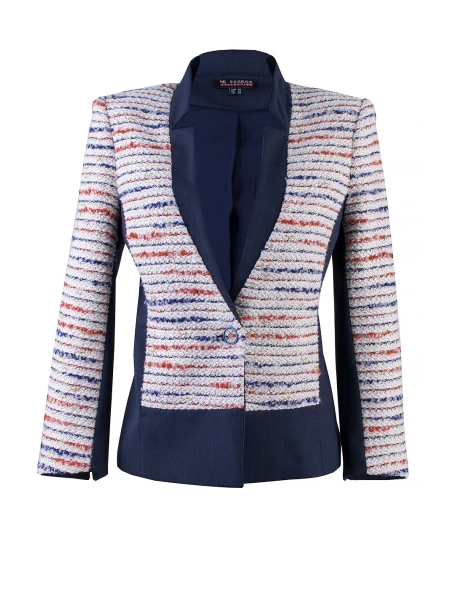
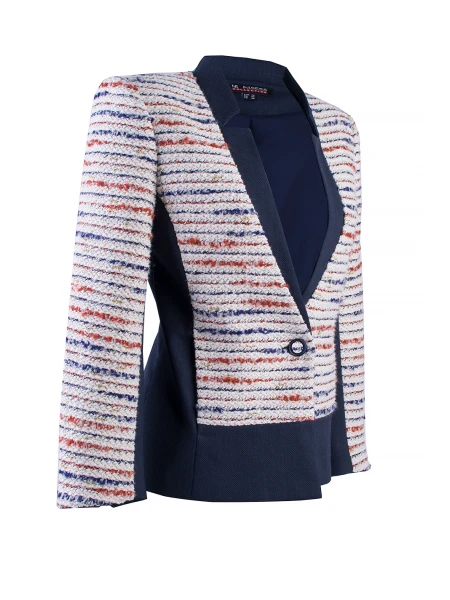
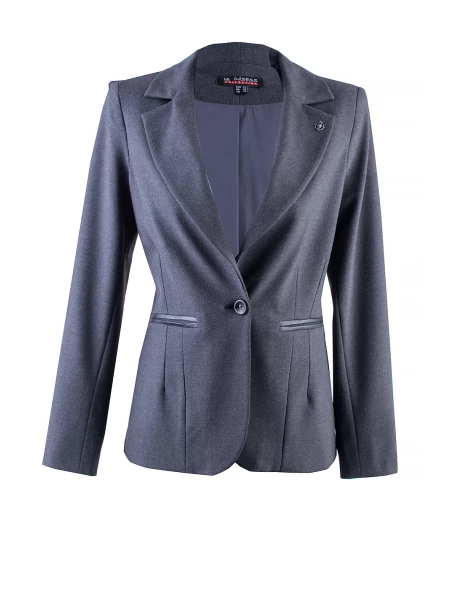
Fifteen active products overlap with Women's Suits. Spring suits can provide a coordinated solution for office, meetings, city dressing or special occasions. Recent examples include Tencel blazer-and-trouser directions. Fabric weight, lining, sleeve length and trouser shape determine real seasonal suitability. The word suit does not automatically mean a heavy formal fabric, and spring suitability should be decided from the actual construction of the product.
Sets and coordinated outfits
Thirteen active products overlap with Women's Sets & Outfits. Blouse-trouser, vest-trouser and blazer-trouser combinations can reduce styling decisions while still allowing layering. A category card may highlight only one component, so shoppers should verify whether the product is sold as a full set, whether the pieces can be used separately and how sizing works across the top and bottom. Package contents should always come from the live product record.
Why jeans remain important in spring
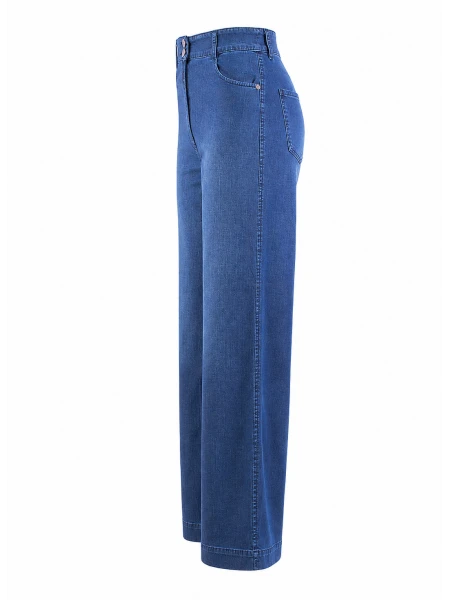
Nine active products overlap with Women's Jeans. Denim is a natural transitional base because it works with knitwear, shirts, T-shirts, blazers and light jackets. Wash, leg shape and fabric weight change the seasonal feel. A padded winter jean should not be treated like a lightweight spring denim simply because both sit inside the jeans family. Product-specific construction matters more than the word denim alone.
The spring role of denim jackets
Eight active products overlap with Women's Denim Jackets. Tencel denim blazers, sporty lightweight jackets and more classic cotton denim can all serve different layering roles. A removable upper layer is useful when mornings are cool and afternoons warmer. Instead of judging by the word denim alone, check real fabric weight, lining, sleeve length and fit over the inner layers you expect to wear.
Why outerwear still belongs in spring
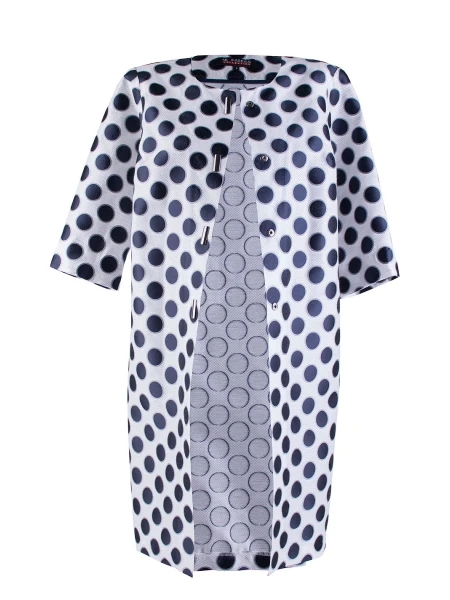
Eighteen active products overlap with Women's Outerwear. Spring does not mean consistently warm weather; wind, rain and cool evenings can continue for weeks. Light jackets, transitional coats and other outer layers should be selected by actual weather conditions. A heavy winter coat is not automatically springwear, and a thin jacket is not guaranteed to be enough on every cool day. Construction and climate matter.
Jumpsuits in spring
Four active products overlap with Women's Jumpsuits. A jumpsuit gives a complete one-piece look but demands more precise fit because shoulder, torso, waist, hip and leg all connect. Spring layering with a blazer or light jacket can expand its use. Some active jumpsuits come from earlier seasons, so active status should not be confused with new-season status. The real launch year should remain visible.
Why Tencel appears often
The word Tencel appears in the names of 25 active spring products. That makes it a meaningful current fabric direction, especially in newer blazers, trousers, blouses and coordinated outfits. Tencel-led fabrics can look softer or more fluid, but fibre name alone does not define exact drape, weight, warmth or opacity. Blend percentage, weave, lining and garment construction remain product-specific.
Why denim is such a strong direction
Denim or jean language appears in the names of 48 active products. This demonstrates that the spring category is not built only around thin, airy fabrics. Jeans, denim sets and denim jackets form an important transitional structure. Tencel denim and classic cotton denim can behave differently, so the category should not present all denim as identical in weight, rigidity or warmth.
Cotton directions
The word cotton appears in the names of nine active products. Recent examples include cotton blouses and vest-trouser sets. Cotton tells us something about the fibre direction but does not guarantee coolness, opacity or low wrinkling. Weave density, blend, finishing and garment construction change the result. A cotton label should therefore be treated as one technical clue rather than as a complete comfort promise.
Linen directions
The word linen appears in eight active product names. Recent examples include strappy tops, trousers and coordinated sets. Linen can support a lighter late-spring or early-summer direction, but the category does not assume every product named linen is 100% linen. Blend, thickness, wrinkling and transparency must be checked in the product data. The fibre name should not replace the actual composition.
Viscose directions
Viscose or related spelling appears in six active product names. Current examples include wide-leg trousers, strappy tops and printed or zebra-inspired sets. Viscose-led fabrics can appear fluid, but real comfort, transparency and care depend on blend and construction. Pale or lightweight products deserve extra attention to lining and opacity. Category language should never promise “not see-through” without product-level evidence.
The logic of spring layering
Layering is one of the most useful principles in spring dressing. A shirt can sit under a blazer in the morning, work alone at midday and take a jacket again in the evening. As layers increase, shoulder, arm and bust ease become important. A blazer that fits perfectly over a thin camisole may feel restrictive over a shirt and fine knit. Sizing should reflect the way the garment will actually be worn.
Cool mornings and warmer afternoons
Large temperature swings are typical of spring. Removable layers are often more useful than one permanently heavy piece. Shirts, blouses, vests, blazers and light jackets therefore support each other across the category. Personal heat sensitivity and fabric weight change how the same weather feels. A generic spring label is not a guarantee that every product is comfortable at the same temperature.
Rainy spring days
Not every product in the category is waterproof or water-repellent. Such performance should only be claimed when the product record supports it. Wide-leg trousers, long skirts or flowing fabric can contact wet ground more easily. Footwear and outerwear therefore matter on rainy days. Styling and practical use should be considered together, especially for commuters and shoppers who walk long distances.
Windy days
Light viscose or linen pieces may move more in wind, while denim and structured fabrics can feel more stable, though real behaviour depends on fabric weight. Skirts, wide legs and open jackets should be considered in that context. The category does not turn fabric names into fixed wind-performance claims. Live product images and construction details provide better clues about movement.
Spring office dressing
A practical spring office wardrobe often combines shirts, blouses, trousers, skirts and blazers. Denim blazers may work in smart-casual offices, while classic tailoring can be more suitable in conservative workplaces. Dress code, fabric surface and footwear all affect formality. The spring category should help shoppers move toward the correct product family rather than pretending there is one office formula for every workplace.
Spring interview outfits
For an interview, temperature variation and seated comfort matter. A fine shirt or blouse with a removable blazer can be more adaptable than one very heavy piece. Trousers and skirts should remain comfortable while sitting, and the jacket should not pull across the shoulders. Whether denim or a strong print is appropriate depends on the organisation, so the category should present options rather than a universal rule.
Everyday city use
Trousers, jeans, skirts and easy blouses are among the most flexible spring city pieces. Sneakers, loafers and flats change the tone quickly, while lightweight outerwear helps with morning-evening differences. Very long hems and fluid fabrics may be less practical on wet streets. Daily route, public transport and walking time are part of a real spring purchase decision, not separate from style.
Evening and occasion use
Spring evenings can be significantly cooler than daytime. A suit, polished blouse-and-trouser outfit, jumpsuit or structured skirt can be supported by a blazer or light outer layer. Tencel, viscose and other fluid fabrics may work well for more refined looks, but fibre name alone does not define occasion level. Cut, colour, surface and the complete outfit determine formality.
Weekend styling
For weekends, jeans, T-shirts, blouses, denim jackets and lighter set pieces can create relaxed combinations. If a coordinated set can genuinely be separated into individual pieces, wardrobe value can increase, but that should be verified from the product structure. Reusing one spring garment across several shoes and tops often creates more practical value than buying many pieces that perform the same role.
Spring travel wardrobes
Travel in spring benefits from pieces that layer and coordinate easily. Neutral trousers, several tops, one blazer or lightweight jacket and an optional denim piece can cover several situations. Wrinkling, maintenance and suitcase volume vary by product. Linen, viscose and Tencel do not guarantee a particular travel performance. The actual weave and care label should guide expectations.
Building a spring colour palette
Spring does not have to mean pastel colours only. Current active examples include black, white, beige, navy, brown, terracotta, turquoise, dusty rose and zebra-inspired patterns. A neutral lower piece with a colourful top, or a colourful set with quiet accessories, can create a balanced wardrobe. Screen colour is not always identical to real fabric, so product photography and the named colour should be considered together.
White and pale colours
White and beige can create a lighter spring look, but opacity varies by construction. In pale trousers or sets, lining, pocket bags and undergarment lines may become more visible. If the product description does not confirm opacity or lining, images should be reviewed carefully and product-level clarification may be needed. Light colour does not automatically mean thin or transparent, and the category avoids that assumption.
Can black work in spring?
Yes. Recent active examples include black Tencel jackets, black suits and black trousers. Black can be lightened visually with white, cream, pale blue or colourful accessories. Fabric weight and cut often matter more than colour in seasonal perception. A black product appearing in the spring category does not mean it is designed only for cold days.
Patterns and zebra directions
Recent active products include ombré zebra blouses, trousers and coordinated sets. A strong pattern already becomes a visual focal point, so quieter accessories and outer layers can improve balance. Pattern scale should be judged from photography rather than from the name alone. The category does not use body-type rules or suggest that a specific print is only for certain figures.
How wide-leg trousers work in spring
Wide-leg trousers are prominent in current active products. They create movement and a modern silhouette, but hem length and footwear remain critical. Very long hems are less practical on rainy ground. A shorter top, tucked shirt or structured blazer can define proportion. The same wide leg will not end at the same place on every body, so measurements and shoe height should be considered together.
Vest sets
Recent examples include cotton- or Tencel-led vest-and-trouser sets. A vest can be worn alone on warmer days or layered over a shirt or blouse when it is cooler. Armhole shape, bust fit and inner-layer thickness affect comfort. If a coordinated set uses one size for both pieces, different body proportions may require extra attention. Package contents and sizing logic belong to the individual product page.
Strappy tops in spring
Linen- or viscose-led strappy tops appear among current active examples. They can work alone in warmer periods or beneath a blazer and lightweight jacket during cooler hours. Strap width, bra compatibility, neckline and fabric opacity matter. A strappy top is not automatically summer-only; layering can extend its use into spring, but the actual product construction should guide the decision.
Denim sets
Active spring products include Tencel denim jacket-and-trouser sets. A coordinated denim set can give a more intentional look than combining unrelated denim pieces. Different trouser lengths such as 9/10 or full length change the footwear relationship. Tencel denim may appear softer, but real weight and stretch must come from the product record. A full set should never be priced or understood as though it were a jacket only.
How to read the product year
The spring category contains products from several seasons. If a product name includes 2026, 2025 or an earlier year, that information should remain visible. Active status is not the same as new season. Products from 2017–2024 should not be called new collection simply because they are still active. Fit, fabric and current size availability matter more to present-day usefulness than launch year alone.
Why sizing can change with spring layering
Spring garments are often worn in more than one layering configuration. A jacket over a T-shirt needs less room than the same jacket over a shirt and fine knit. Trousers and skirts require waist-hip comfort, while tops need shoulder-bust-sleeve ease. Stretch or fluid fabric does not automatically fix an incorrect size. Product measurements, when available, are more reliable than assuming one labelled size behaves the same in every category.
Footwear choices
Sneakers make a look more casual, loafers support smart casual, heels increase polish and sandals move toward warmer-weather use. Wide-leg trousers, cropped jeans, skirts and jumpsuits all interact differently with footwear. Rain also matters in spring. One garment that works with several shoe types can support a more flexible wardrobe and higher repeat use.
Bags and accessories
Accessories can connect colours and change the level of formality. A strong zebra print or colourful coordinated set may need a simpler bag, while a black, white or beige base can support more colour. The category avoids artificial cross-selling to unavailable accessories. Styling advice should remain connected to live, relevant clothing categories and the garments shoppers can actually compare.
Building a spring capsule wardrobe
A spring capsule can combine one or two trousers, a pair of jeans, several tops, a blazer or light jacket and an optional skirt or jumpsuit. The goal is not to own many items that solve the same problem, but to select garments that work together. Women's Clothing remains the broad authority path for comparing all major product families before narrowing into seasonal use.
The value of active older-season products
An older active product can still be useful if its cut and fabric fit the shopper's needs. Launch year does not automatically make a garment irrelevant. The category should, however, preserve the real year and never present archive-era products as new season. Current size and availability should be checked live. Wardrobe value comes from how many real outfits the product can support today.
Why care must remain product-specific
Tencel, denim, cotton, linen and viscose do not share one universal washing or ironing method. Even products with the same fibre name can use different blends and constructions. The category therefore does not publish one care temperature. Lining, colour, decorative details and fastening systems also influence maintenance. The actual care label is more reliable than any seasonal category generalisation.
Checking opacity in spring fabrics
Pale colours and lightweight fabrics can make opacity an important purchase question. Fibre name alone does not guarantee that a product is opaque. White trousers, thin blouses and viscose- or linen-led garments should be evaluated for lining, weave density and product photography. The category does not use claims such as “not see-through” unless the specific product supports them.
Wrinkling and all-day appearance
Linen, viscose, Tencel, cotton and denim can all show different wrinkling behaviour depending on construction. A fibre name alone does not justify the claim “wrinkle-free.” Office sitting, travel, folding and heat can all affect appearance. Product-specific fabric structure and care instructions provide a more realistic expectation for all-day use.
Spring weddings and daytime events
A spring wedding or daytime celebration can involve warm sun, cooler shade and evening temperature drops in the same event. A refined trouser set, skirt-and-blouse combination, suit or jumpsuit can work when the dress code allows it, with a blazer or light outer layer for later hours. The category should not label every elegant-looking product as weddingwear; colour, venue and event rules still matter.
Commuting in spring
Commuters often move between outdoor wind, crowded transport and heated interiors. Layers that can be removed easily are more useful than a single heavy garment. Trouser hems should stay clear of wet platforms, bags should not crush very delicate shoulder details and outer layers should allow comfortable arm movement. The daily route is part of fit and garment choice, not an afterthought.
Removing layers without losing the outfit
A good spring combination should still feel complete after the jacket or blazer comes off. This is why the blouse, shirt, vest or top underneath deserves as much attention as the outer layer. A garment that only works when permanently covered may be less versatile during temperature changes. Think of the outfit in two or three stages: fully layered, mid-layer removed and warmest-hour version.
Fabric surface and perceived formality
Two garments with similar cuts can feel very different because of surface texture. Smooth Tencel tailoring, structured cotton, washed denim, fluid viscose and textured linen each create a different visual signal. Formality should therefore be judged from the whole surface and construction, not from the garment name alone. A blazer in soft denim and a classic suiting blazer do not communicate exactly the same thing.
Long-day comfort
A spring outfit may need to work from a cool morning commute through a warm office and into an evening meeting. Waistbands, armholes, shoulder fit and fabric breathability become more noticeable over many hours. A small restriction that looks acceptable in a quick fitting can become tiring. Sit, reach, walk and layer the garment in the way you expect to use it during a full day.
Cost per wear in a spring wardrobe
Spring can encourage frequent buying because weather changes quickly, but repeat use is a better measure of value. A neutral trouser, reliable blazer, versatile blouse or denim jacket that works across several temperatures may deliver more practical value than a highly specific item worn once. Before purchasing, imagine at least three complete outfits with pieces already in your wardrobe.
How to compare similar products
When two spring products look similar, compare more than colour. Check fibre composition, lining, sleeve or trouser length, fastening, pocket construction, fit and whether the item is a single garment or part of a set. Product year can provide context, but it should not override current technical suitability. The better choice is the one that matches real use, not simply the newer date.
Why product photography matters
Front, side, back and detail images can reveal different information: drape, shoulder position, trouser volume, neckline, pocket placement and fabric texture. One studio image is rarely enough to answer every fit question. Screen brightness can shift colour, and a posed stance can hide movement behaviour. Use photography together with measurements and written data rather than treating any single image as complete evidence.
Seasonal category versus weather forecast
Spring Women's Clothing is a merchandising and use category, not a weather service. A garment mapped here can be appropriate for one city and too light or too warm in another on the same date. Real weather, wind, rain and indoor conditions should always override a generic season label. Seasonal mapping helps narrow the search; it does not replace judgement about current conditions.
Pre-purchase checklist
Check the product year, real garment type, fibre composition, body measurements, lining, sleeve or trouser length, fastening, colour and current availability. For coordinated sets, confirm package contents; for wide legs, consider footwear; for pale colours, evaluate opacity; for jackets, allow room for intended layers. Spring Women's Clothing is broad, so the category name alone cannot replace product-level technical information.
The category is not a stock guarantee
The page contains many active records, but some active products currently show quantity zero and size-level inventory can behave differently from total product quantity. Saying “201 products in stock” would therefore be inaccurate. The reliable statement is that 201 active records are mapped to the category. Purchase availability belongs to the live product page and can change independently.
Where Spring Women's Clothing sits in the site silo
Spring Women's Clothing is a seasonal gateway under Women's Clothing. It naturally routes shoppers toward shirts and blouses, skirts, trousers, suits, sets, jeans, denim jackets, jumpsuits and outerwear. Once the shopper knows the garment type, moving into the relevant specialist category improves both navigation and topical structure instead of forcing every spring need into one generic page.
Frequently Asked Questions about Spring Women's Clothing
Is this category only Spring 2026?
No. Active products were added between 2017 and 2026; the page groups them by seasonal use, not one launch year.
How many active products are there?
There are currently 201 active records. Of those, 169 show quantity above zero; current size and purchase availability still belong to each product page.
What is the largest product group?
Women's Shirts & Blouses is the strongest overlap with 38 active products.
How many trousers and skirts are represented?
Twenty-two active products overlap Women's Trousers and 25 overlap Women's Skirts.
Are there suits and coordinated sets?
Yes. Many active products overlap Women's Suits and Women's Sets & Outfits.
Are Tencel products present?
Yes. The word Tencel appears in 25 active product names.
Is denim important in the category?
Yes. Denim or jean wording appears in 48 active product names.
Are linen and viscose products present?
Yes. Linen appears in eight active product names and viscose-related wording in six.
Can denim jackets work in spring?
Yes when weight, lining and weather conditions are appropriate for the specific jacket.
How should wide-leg trousers be chosen for spring?
Check real length, footwear height and whether the hem will stay clear of wet ground.
What works for a spring office?
Where the dress code allows, shirts or blouses with trousers or skirts and a blazer create a flexible layered solution.
Can older-season active products still be worth buying?
Yes, if their fit, fabric and current availability suit your needs; they should not be presented as new season.
Does category status guarantee stock?
No. Active product status and real size-level inventory are different things.
Should one care rule be used for the whole category?
No. Each product can use a different fabric blend and construction, so its own care label should be followed.
Will the category URL change?
No. The existing `spring-women's-clothing` SEO URL is preserved.