Summer Women's Clothing – Blouses, Trousers, Skirts, Suits, Linen, Tencel & Light Denim
INISESS Summer Women's Clothing is not a one-year collection. It brings together 153 active products added between 2017 and 2026 under a warm-weather use intent, including shirts and blouses, trousers, skirts, suits, coordinated sets, jeans, denim jackets, jumpsuits and lighter outer layers. Tencel, denim, cotton, linen and viscose directions are verifiable in active product names, but real composition, opacity, fabric weight and summer comfort still need to be checked product by product.
What the category actually represents
INISESS Summer Women's Clothing is not a one-year collection. It currently combines 153 active products added between 2017 and 2026 under a warm-weather use intent. The category therefore should not be written as “Summer 2026” only. Its real role is to organise tops, trousers, skirts, suits, coordinated sets, jeans, denim jackets, jumpsuits and lighter layers while preserving each product's real year and technical identity.
What the product mix tells us
The active range overlaps with several product families: 33 Women's Shirts & Blouses, 21 Women's Trousers, 18 Women's Skirts, 14 Women's Suits, 13 Women's Sets & Outfits, 7 Women's Jeans, 5 Women's Denim Sets, 5 Women's Outerwear, 5 Women's Denim Jackets and 4 Women's Jumpsuits. Counts can overlap because a product may belong to several taxonomy paths, but they show the real structure of the summer assortment.
Does active mean everything is in stock?
No. Of the 153 active records, 128 currently show quantity above zero and 25 active records show quantity zero. The page therefore must not claim “153 products in stock.” Active status describes catalogue visibility; real size, colour and variant availability may differ. Purchase availability belongs to the live product page and can change independently from the seasonal category.
Which years are represented?
Active products span 2017 through 2026. The current set includes 38 records added in 2026, 16 in 2025, 19 in 2024, 13 in 2023, 16 in 2022, 17 in 2021, 15 in 2020 and additional older active records. This makes the page a living seasonal-use category rather than a single dated collection. If a product title includes a year, that year should remain visible.
Relationship with New In
Eighty active products also overlap with New In. That gives the category a strong current component without turning it into a new-arrivals feed. Shoppers who want only recent additions can use New In. The summer page should instead organise choices around fabric direction, openness, opacity, movement, layering reduction and real warm-weather use.
Why shirts and blouses are a major summer group
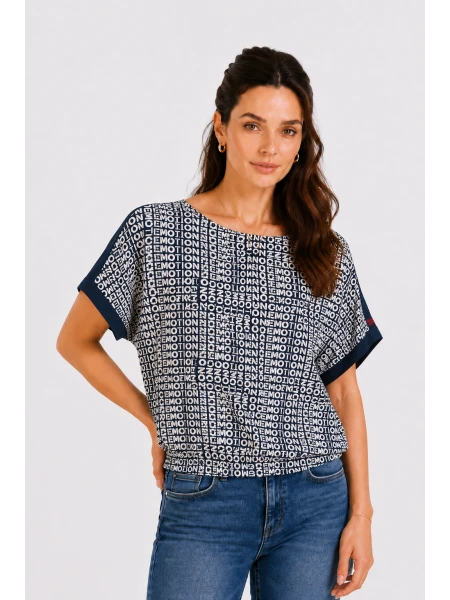
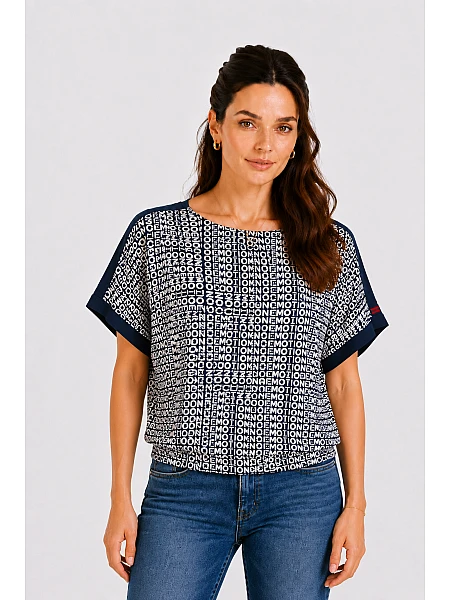
Thirty-three active products overlap with Women's Shirts & Blouses. Current examples include linen strappy tops, viscose strappy tops, Tencel blouses, cotton printed blouses and patterned styles. Sleeve shape, neckline, armhole, fabric density and opacity all matter in heat. Fibre name alone does not guarantee coolness, airflow or transparency, so construction remains product-specific.
How to choose summer trousers
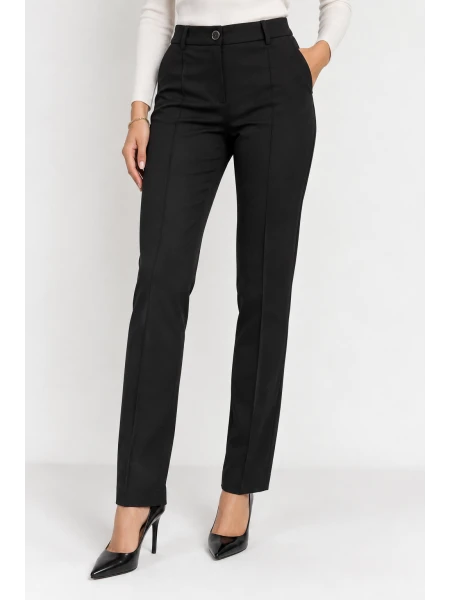
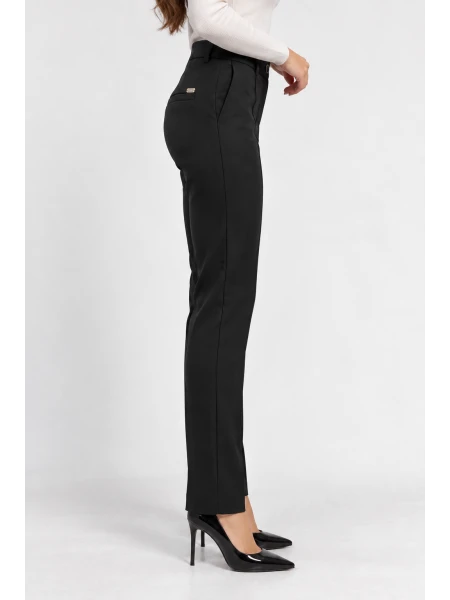
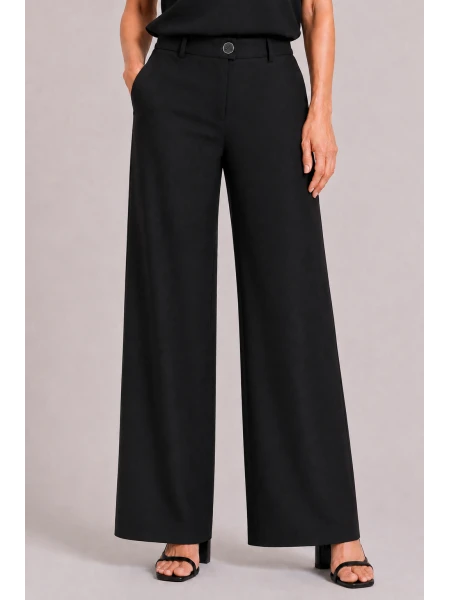
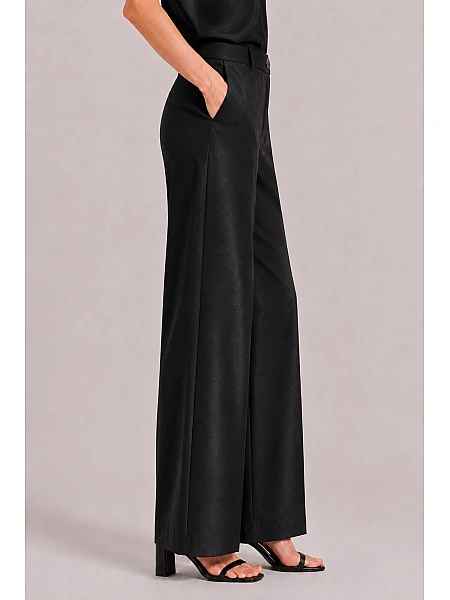
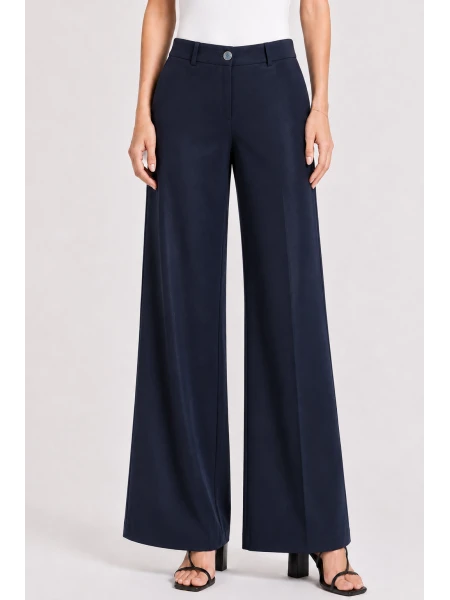
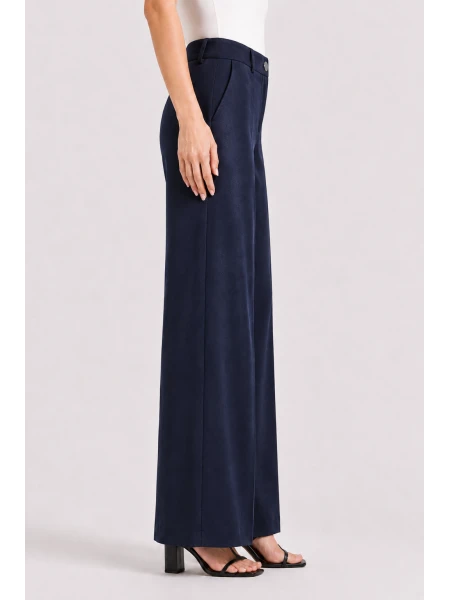
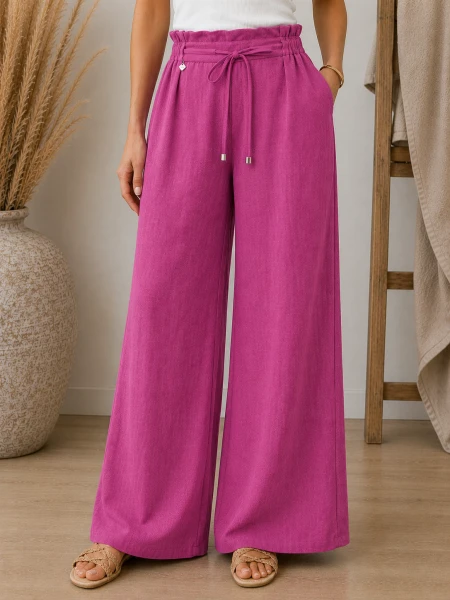
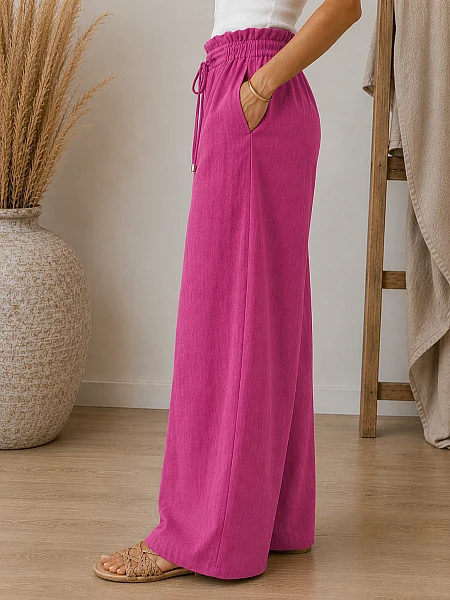
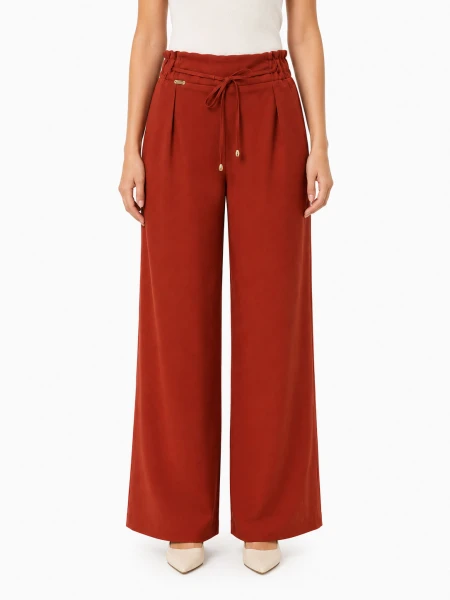
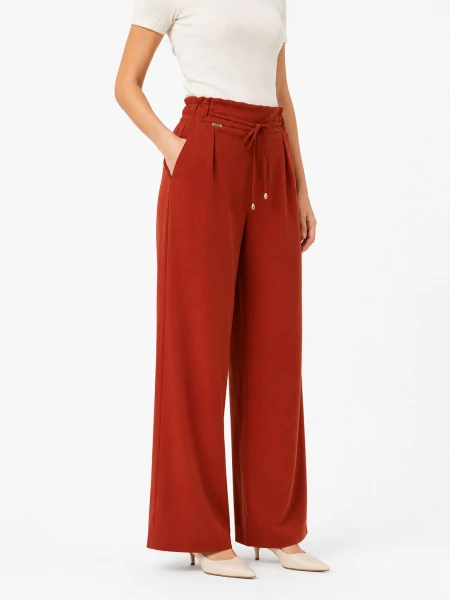
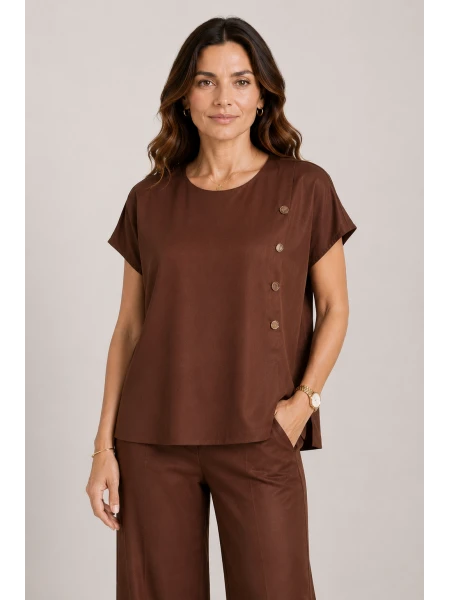
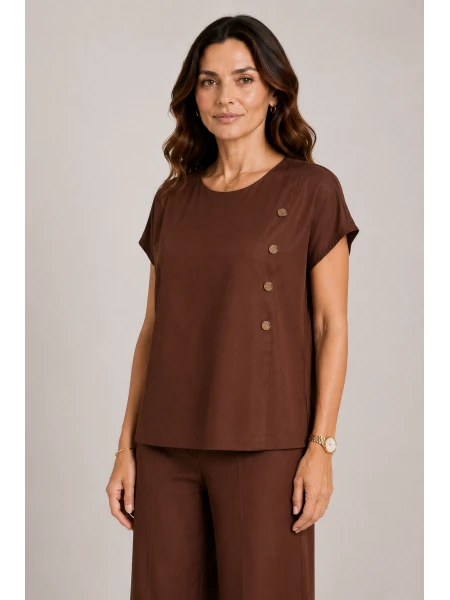
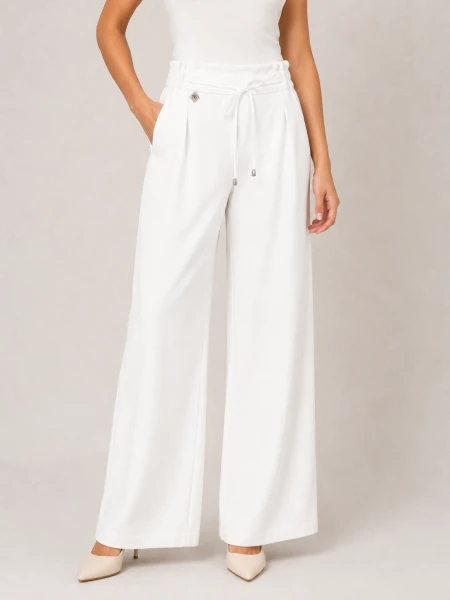
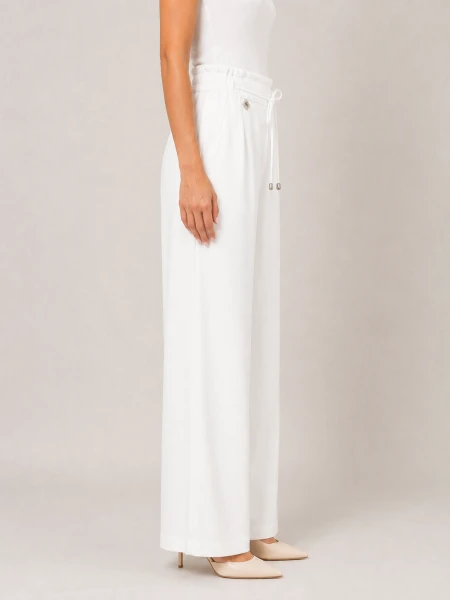
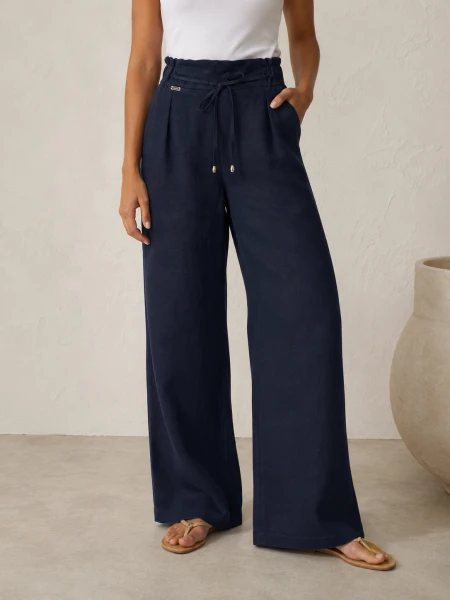
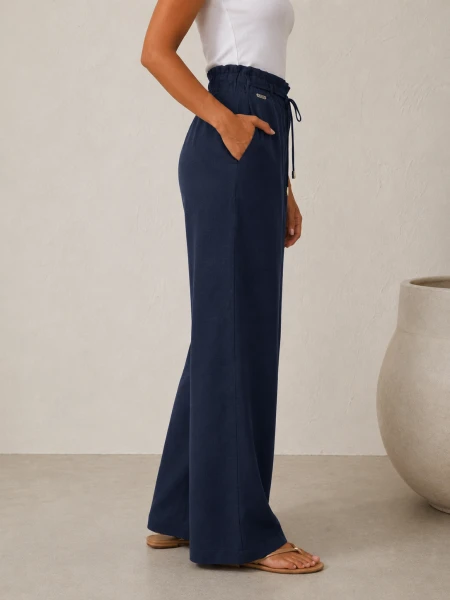
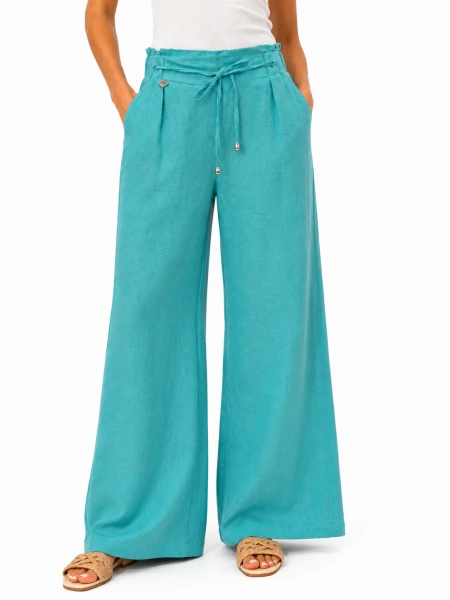
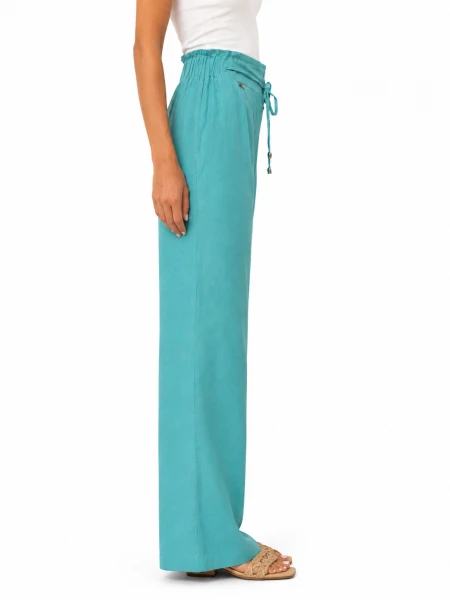
Twenty-one active products overlap with Women's Trousers. Recent examples include Tencel, linen and viscose wide-leg trousers in black, navy, white, terracotta, turquoise and dusty rose. Waist comfort, leg width, drape, opacity and hem length all matter. A wide leg can create more space around the body, but it is not automatically cooler if the fabric itself is dense.
Why skirts remain useful in summer
Eighteen active products overlap with Women's Skirts. Skirts can be repeated with several tops and can feel less restrictive around the leg depending on cut. Lining, length, opacity and wind behaviour still need attention. A fluid skirt and a structured skirt can both belong to summer while performing very differently in strong sun, high humidity or coastal wind.
Summer suits
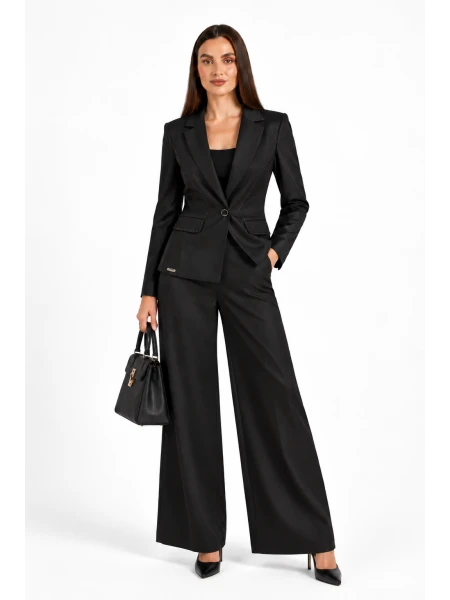
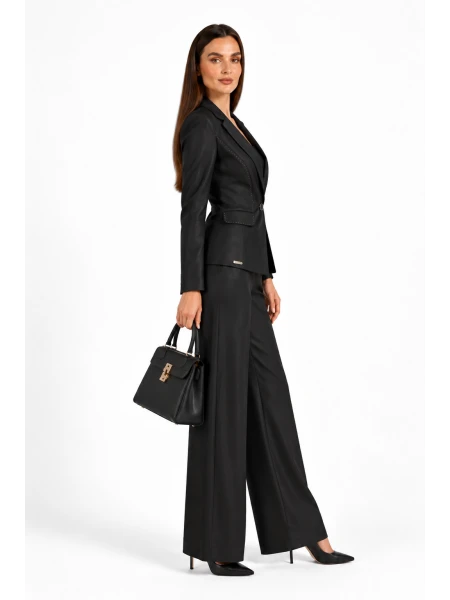
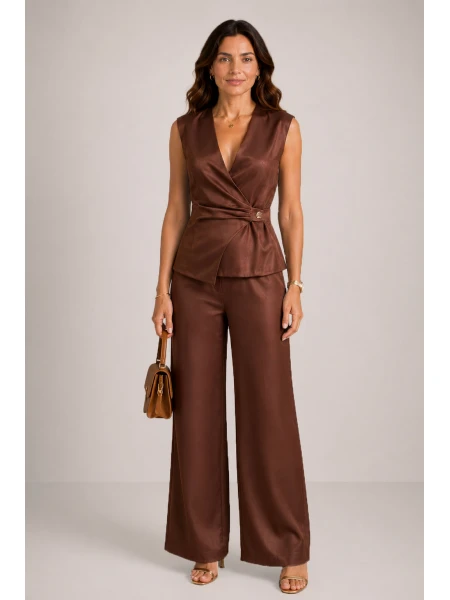
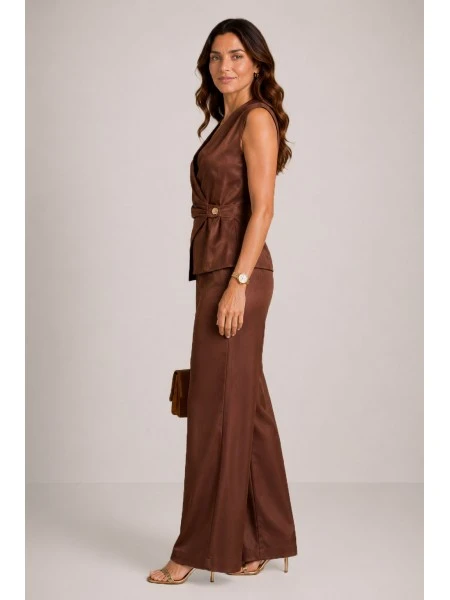
Fourteen active products overlap with Women's Suits. Summer tailoring can work for office, meetings, travel and events when the fabric and construction are suitable. Recent products include Tencel blazer-trouser sets and cotton vest-trouser directions. The word suit does not automatically mean heavy fabric. Lining, sleeve construction, trouser width and weave determine the real warm-weather experience.
Coordinated sets
Thirteen active products overlap with Women's Sets & Outfits. Blouse-trouser, vest-trouser and denim jacket-trouser combinations can simplify dressing, but a category image does not prove package contents. Shoppers should verify whether both pieces are included, whether they can be worn separately and how one labelled size is applied across the top and bottom.
Can jeans work in summer?
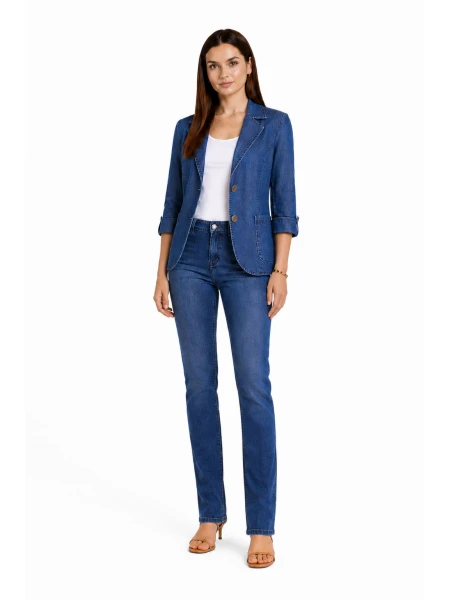
Seven active products overlap with Women's Jeans. Denim can work in summer when the weight and construction suit the environment, but not every jean will feel the same in heat. Tencel denim may appear more fluid than heavier classic denim. Colour, weight, stretch and leg shape all affect comfort, so summer mapping should not become a universal lightweight claim.
Why denim jackets appear in summer
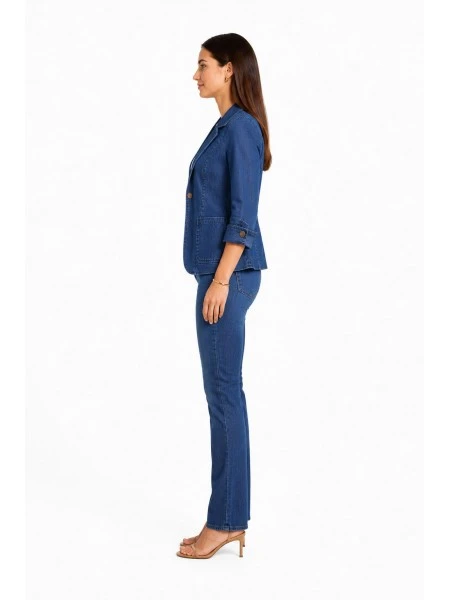
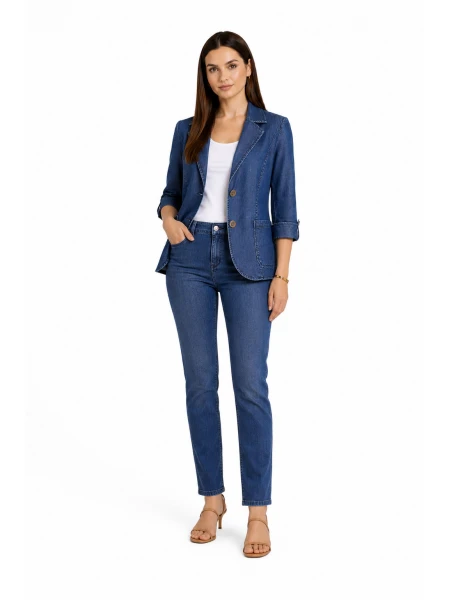
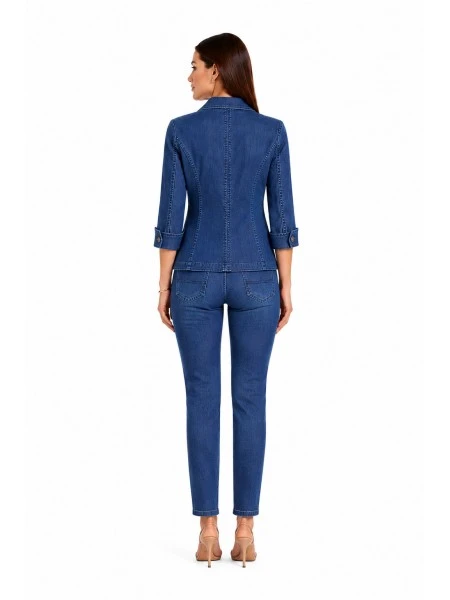
Five active products overlap with Women's Denim Jackets. These pieces make more sense for cool evenings, windy coastal conditions, travel and heavily air-conditioned interiors than for peak midday heat. A lighter Tencel denim layer may be easier to carry and wear than a rigid heavy jacket. The page does not present denim jackets as essential for every hot day.
Why outerwear still appears
Five active products overlap with Women's Outerwear. In summer, outerwear should be understood as an optional removable layer for cooler evenings, travel, wind or strong air conditioning rather than as winter protection by default. Actual thickness and construction need product-level verification. The category does not label an item lightweight unless the product information supports that reading.
Jumpsuits in summer
Four active products overlap with Women's Jumpsuits. A jumpsuit creates a complete outfit in one piece, which can reduce styling decisions in heat, but fit is more complex because torso length, waist, hip and leg are connected. Opacity, fastening and practical ease also matter. An active jumpsuit may come from an older season, so active does not mean newly launched.
Why Tencel is visible
Tencel appears in 23 active product names. Current examples include blouses, wide-leg trousers, sets and denim pieces. Tencel-led fabrics can look soft and fluid, but fibre name alone does not prove breathability, cooling, moisture handling, opacity or low wrinkling. Blend percentage, weave, fabric weight and garment construction determine the real wearing experience.
Why denim remains prominent
Denim or jean wording appears in 34 active product names. Summer assortment is therefore not limited to linen and viscose. Tencel denim sets, denim jackets and jeans remain part of the range. The key distinction is weight and construction: heavier denim and softer Tencel denim should not be described as giving the same heat experience simply because both are denim.
Cotton directions
Cotton appears in 10 active product names. Current examples include printed blouses and cotton vest-trouser sets. Cotton is strongly associated with summer shopping, but it does not automatically guarantee coolness, dryness or low wrinkling. Fabric weight, weave, finishing and blend can change the result. A dense cotton fabric may feel warmer than a lighter fabric using another fibre.
Linen directions
Linen appears in nine active product names, including strappy tops, wide-leg trousers and coordinated sets. Linen can be a strong warm-weather direction, but the category does not assume that every product using the word linen is 100% linen. Blend, lining, transparency, surface texture and wrinkling need product-specific confirmation. The marketing label should not replace the actual composition.
Viscose directions
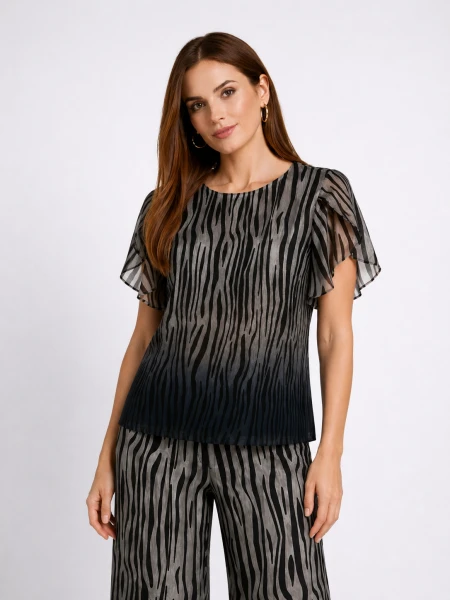
Viscose-related wording appears in six active product names. Recent examples include terracotta strappy tops, white wide-leg trousers and zebra-inspired sets. Viscose can create a fluid look, but it should not be treated as automatically opaque, cool or easy-care. Lightweight pale fabrics deserve extra attention to lining and transparency, and actual washing instructions remain product-specific.
Strappy tops
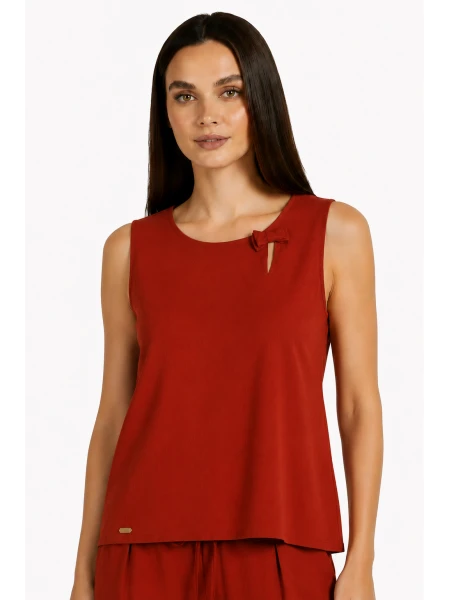
Current products include linen- and viscose-led strappy tops. Less coverage can suit hot conditions, but strap width, bra compatibility, armhole depth, side coverage and neckline matter. In an office or strongly air-conditioned space, a blazer or lightweight shirt can be added. Product photography is particularly useful for understanding the real strap placement and openness around the arm.
Wide-leg trousers
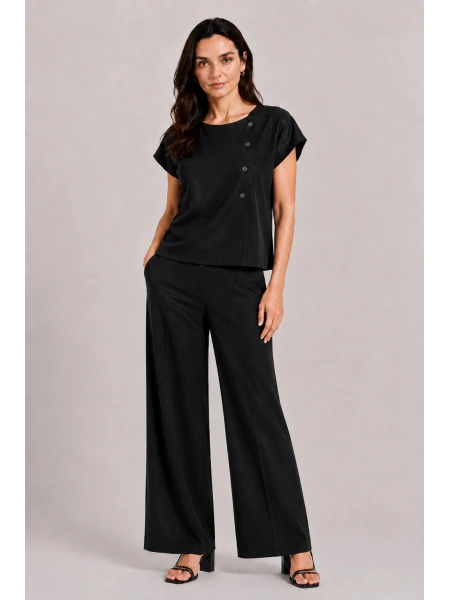
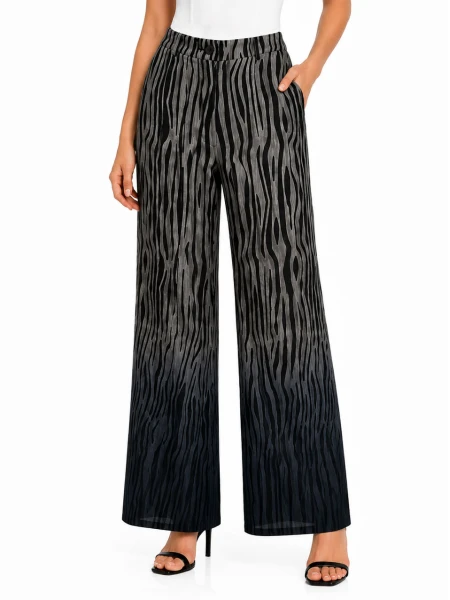
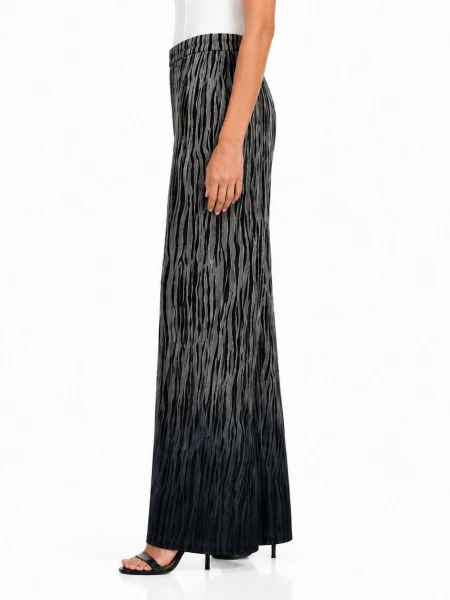
Wide-leg trousers are prominent among recent Tencel, linen and viscose products. The wider silhouette creates movement and space, but temperature comfort still depends on fabric density. Long hems also interact with sandals, sneakers and platforms. If the hem drags on dusty or hot streets it becomes less practical, so shoe height and trouser length should be considered together.
Vest-and-trouser sets
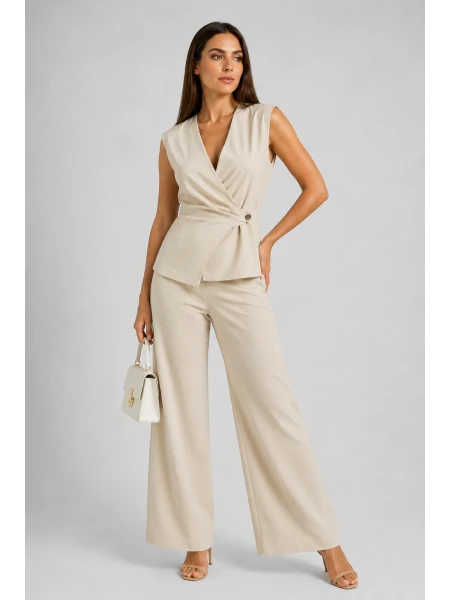
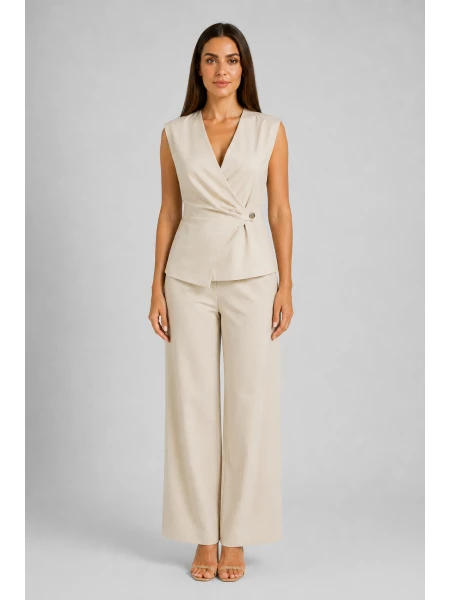
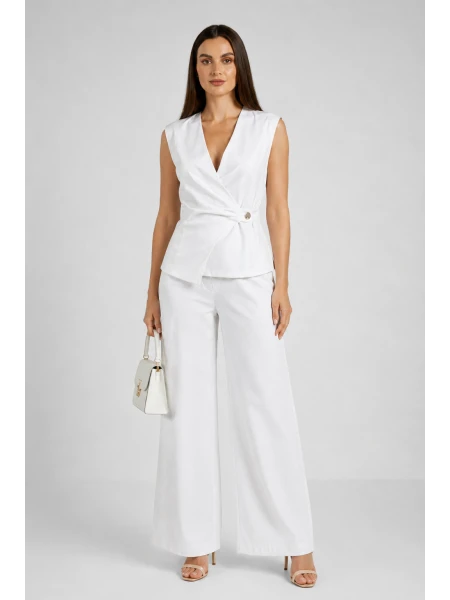
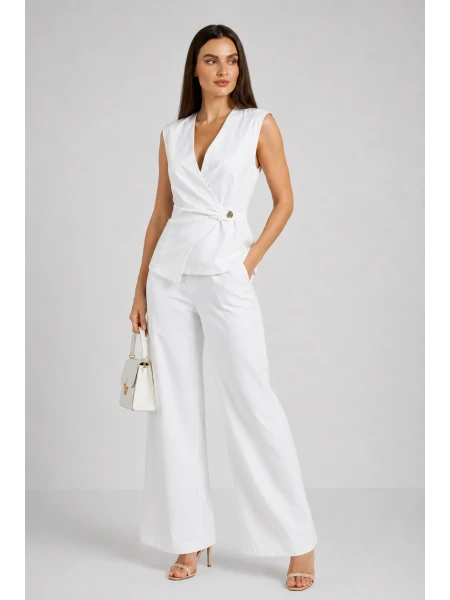
White and beige cotton vest-and-trouser sets appear among current products. A vest can work alone in warm weather or over a fine inner layer. Armhole shape, bust fit and the relationship between top and trouser sizing matter. Pale sets also make opacity, lining and undergarment visibility more important. Package contents and sizing logic should be confirmed on the product page.
Blouse-and-trouser sets
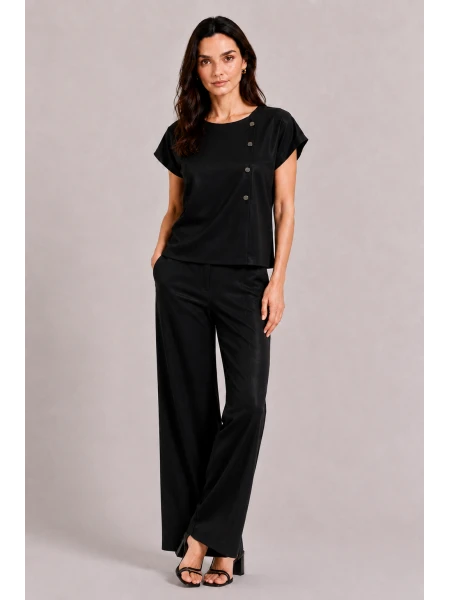
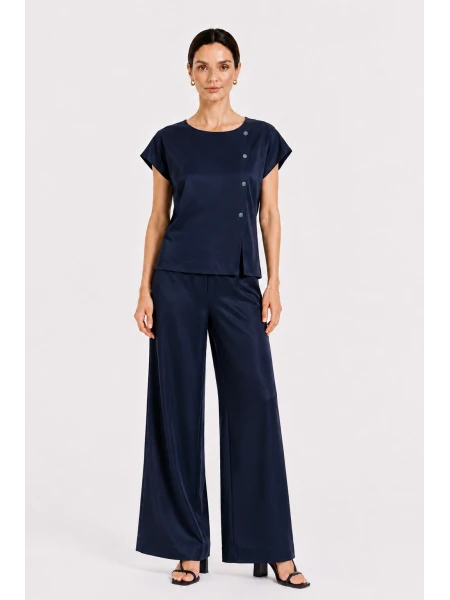
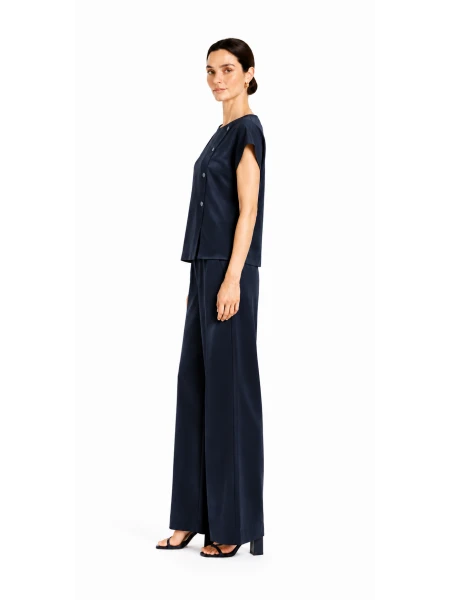
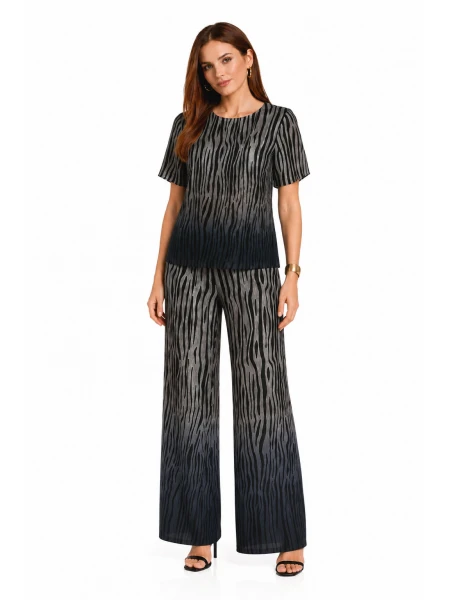
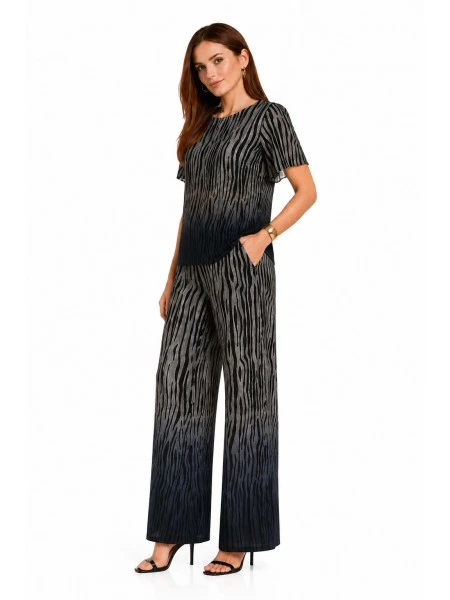
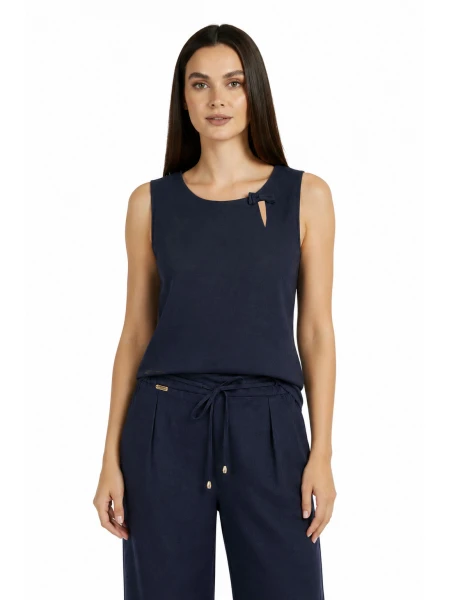
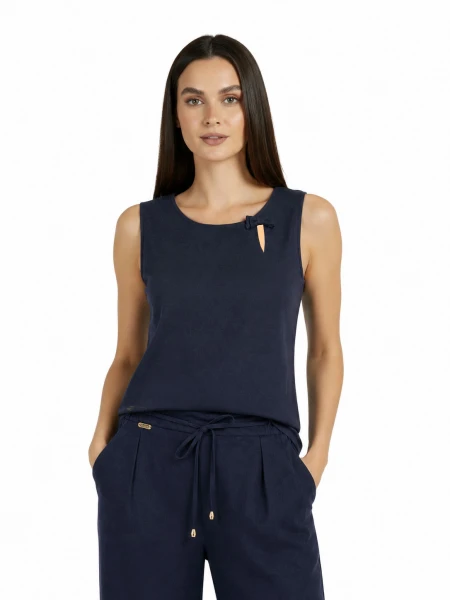
Black and navy Tencel blouse-and-trouser sets are current summer examples. The top and bottom may use the same fabric direction but still require different fit considerations. A wider trouser balanced by a cleaner upper shape can create a polished silhouette. Black can be worn in summer, but direct sun and fabric density affect heat perception, so daily environment matters.
Linen two-piece sets
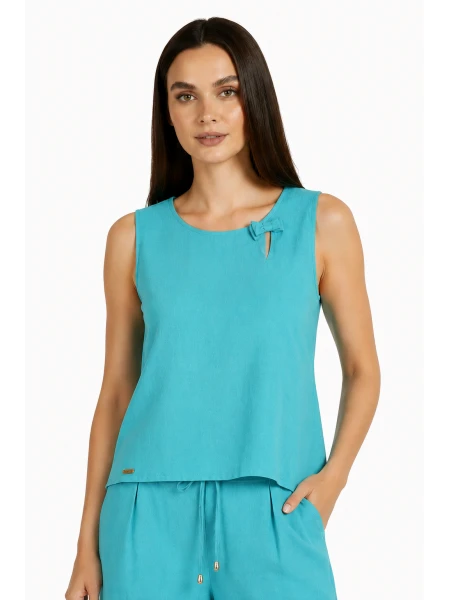
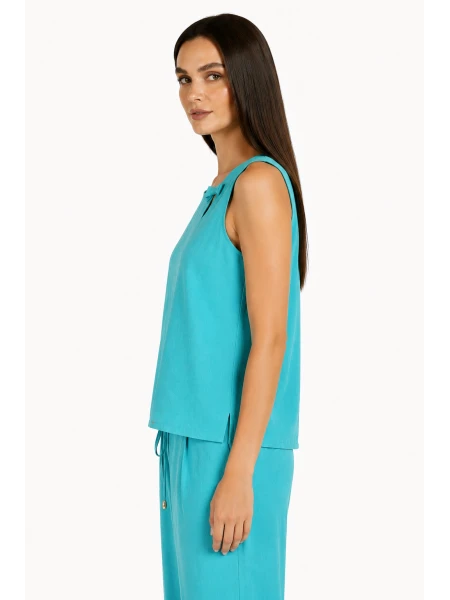
Dark-blue and turquoise linen strappy-top-and-trouser sets appear in the active range. These combinations can create a coordinated warm-weather look, but some active records may still show quantity zero, so the category does not promise stock. Linen blend, opacity, strap design and trouser length all need to be checked before purchase rather than inferred from the set image alone.
Tencel denim sets
The category includes Tencel denim jacket-and-trouser sets. These may appear softer and more fluid than heavier classic denim and can work for city use or cooler evenings. Full-length and 9/10 trouser versions change how footwear is shown. The live listing should confirm that a product is genuinely a set rather than a jacket-only item, and fabric weight should remain product-specific.
Choosing colour in heat
Summer does not have to mean white and pastel only. Active products include black, navy, white, beige, turquoise, terracotta, dusty rose, brown and zebra-inspired prints. Pale colour can look visually lighter, while darker colour may move more easily between office and evening use. Actual heat comfort depends on fabric weight, air circulation, humidity and sun exposure as well as colour.
White summer outfits
White trousers and white vest-trouser sets create a clean summer look, but opacity becomes an important question. Pale fabric is not automatically transparent, and a product title is not evidence that it is fully opaque. Lining, pocket bags and weave density should be checked through photographs and technical descriptions. The category does not make unsupported “not see-through” promises.
Beige and natural tones
Beige, cream and natural tones are easy to combine in a summer capsule. Current examples include a beige cotton set and beige printed blouse. These tones can work with white, brown, navy and turquoise. Screen brightness can make beige appear more yellow or grey than the real garment, so the named colour and live photography should be reviewed together.
Turquoise and blue directions
Turquoise linen tops and trousers, dark-blue linen pieces and navy Tencel products are part of the active range. Blue can feel naturally connected with summer, but its use is not limited to holiday styling. Navy and dark blue can look polished in city or office settings, while turquoise provides a stronger visual accent. Fabric and dress code still matter.
Terracotta and warmer tones
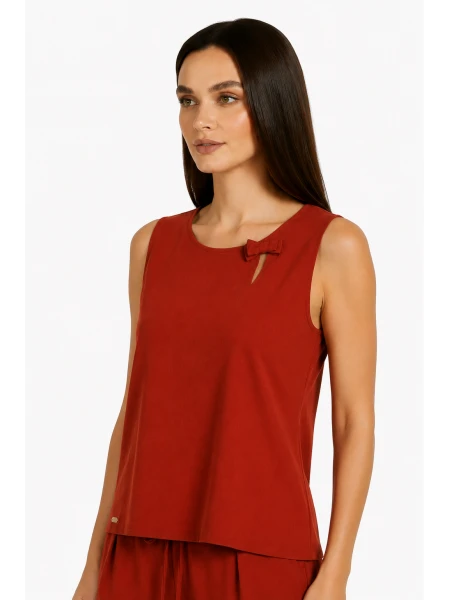
Terracotta viscose trousers and strappy tops add a warmer colour direction to summer. They can be combined with white, cream, beige, brown or denim. When one garment carries a strong warm tone, simpler accessories can keep the outfit balanced. Heat comfort still depends more on fabric construction, fit and exposure than on colour alone.
Zebra and stronger prints
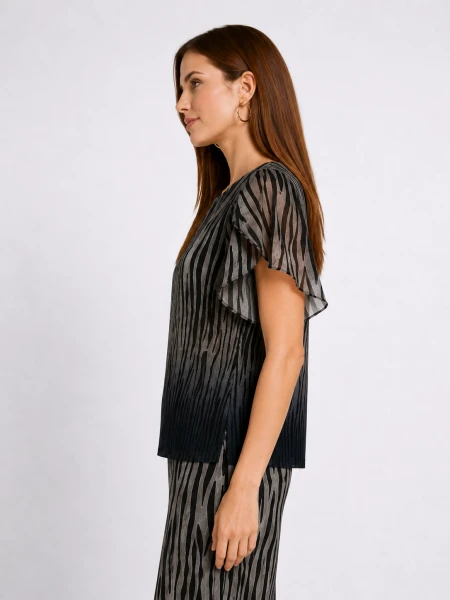
Ombré zebra blouses, trousers and a coordinated set appear among current products. A strong print already provides visual focus, so a simple bag, shoe or light layer can preserve balance. Pattern scale should be judged from product images. The category does not use body-type rules that declare a print universally suitable or unsuitable for a particular figure.
Summer office dressing
A warm-weather office wardrobe can combine lighter shirts, blouses, trousers, skirts and less structured tailoring. Strong air conditioning creates a different environment from the street outside, so removable layers are useful. A strappy top may need a blazer or shirt in a formal workplace. Dress code, indoor temperature and commute conditions should be considered together rather than separately.
Air-conditioned interiors
One reason light jackets and denim layers appear in a summer category is the temperature difference between hot streets and cooled offices, malls, restaurants, planes and public spaces. A removable upper layer can improve comfort without forcing a heavier daytime outfit. Personal temperature sensitivity varies, so the category cannot promise that one garment will be ideal within a specific degree range.
Hot-city use
Urban summer adds walking, public transport and heated pavement to the buying decision. A waistband that is too tight, an armhole that rubs or a hem that drags can become more irritating in heat. Fluid or open shapes may create more movement space, but opacity, wrinkling and skin feel still need consideration. Comfort is the combined result of several features.
High humidity
Humidity can change how a fabric feels even when the temperature is unchanged. A garment that feels comfortable in dry heat may cling more in humid conditions. Looser silhouettes can reduce constant contact with the skin, but the category does not claim a specific material will always remain dry or cool. Real weave, garment volume and personal sensitivity all matter.
Dry heat
In drier climates, direct sun and surface temperature can matter more than humidity. Light garments may feel comfortable, but very thin fabrics can still require opacity checks. Long trousers can protect more skin from direct exposure while also adding fabric coverage. The right choice depends on the route, shade, time outside and the product's actual weight.
Heat waves
During extreme heat, the most fashionable silhouette may not be the most practical choice. Reduce unnecessary layers, prioritise movement room and review whether the product has lining or dense construction. A tailored set can still work in an air-conditioned office but may be less suitable for long outdoor walking. The category helps narrow options without overriding weather and personal comfort.
Skin contact and garment shape
Warm-weather comfort is affected by how much of the garment stays in constant contact with the body. A fitted trouser or close armhole may feel different from a looser silhouette even in the same fibre. This does not mean loose always equals cool: a dense fabric can still retain heat. Fit and material need to be evaluated together.
Armholes and side coverage
Sleeveless and strappy products should be checked for armhole depth and side coverage, not only front appearance. A low armhole can expose underwear or require a different base layer. A tighter armhole may rub during movement. Product images from the side and back are useful because the front image alone may hide these practical details.
Necklines and heat
Open necklines can reduce fabric around the upper body, but neckline shape also affects workplace appropriateness, sun exposure and bra compatibility. A higher neckline in a very light fabric can still work in summer, while a deep neckline may need an inner layer that adds heat. The category does not rank one neckline as universally better.
Sleeve length
Short sleeves, sleeveless cuts and long lightweight sleeves can all have a place in summer. Long sleeves may offer more skin coverage from sun but can feel warmer if the fabric is dense. Short sleeves reduce coverage but do not guarantee better airflow. Fabric weight, looseness and real use environment should guide the choice.
Lining in summer garments
Lining can improve opacity, structure and comfort against certain seams, but it also adds another layer of fabric. A fully lined garment may feel warmer than an unlined version. The category therefore does not assume that a polished suit is automatically light or that an unlined piece is automatically transparent. Lining should be checked product by product.
Pockets and summer trousers
Pocket bags can affect both appearance and comfort in lightweight trousers. On white or pale fabric, the outline may be visible. Large items in pockets can distort fluid fabrics and add weight. When a clean silhouette matters, a bag may be more practical for heavier objects. Pocket construction should be read from the specific product.
Waistbands in heat
A waistband that feels slightly tight in a cool fitting room may become more noticeable after hours in heat, sitting or travelling. Stretch can add flexibility, but it does not replace correct sizing. For summer trousers and skirts, assess standing and seated comfort rather than relying only on how the garment looks from the front.
Belts and waist definition
A belt can define the waist on wide-leg trousers, skirts or a looser set, but adding another layer around the waist may not be desirable in high heat. Some garments already have enough structure without one. Belt use is a styling option rather than a requirement, and the category does not assume that every product includes belt loops.
Coastal wind
Coastal evenings can feel cooler even after a hot day. Fluid trousers and skirts may also move more in wind. A light denim jacket, blazer or shirt can work as an extra layer. This is a layering recommendation rather than a technical wind-resistance claim. Waterproof or windproof language should only be used if supported by the product record.
Outdoor dining
Outdoor evening dining can start warm and become cooler after sunset. A light blazer, shirt or denim layer that can be carried during the day may extend the usefulness of a sleeveless top or set. The outer layer should still work visually with the base outfit once temperatures change. Planning the complete evening system can be more useful than choosing each item in isolation.
Holiday wardrobes
A holiday wardrobe can be built from several tops, one or two trousers or skirts, a coordinated set and a light layer for evenings. Choosing colours that work together can reduce luggage. Linen, viscose and Tencel do not automatically mean wrinkle-free travel clothing. Folding, humidity, care and fabric construction all affect performance in a suitcase.
Flights and long journeys
Air conditioning, prolonged sitting and restricted movement matter on planes, trains and long car trips. Waist, hip and knee comfort become important, along with the ability to add or remove a layer. Wide-leg trousers can feel relaxed but a very long hem may become inconvenient in transit. A light jacket over a fine top can handle indoor-outdoor changes.
Business travel
A summer business trip may require one wardrobe to cover a hot street, air-conditioned meeting room and evening dinner. A coordinated set that separates into individual pieces can be useful if the product actually allows it. Neutral trousers, a polished blouse and one light jacket can create several looks without requiring excessive luggage.
Summer events
Suits, jumpsuits, blouse-and-trouser outfits and skirt combinations can all work for summer events depending on dress code. Outdoor venues may cool down in the evening, while indoor venues may use strong air conditioning. White at a wedding depends on local expectations and the invitation; the category does not impose one social rule. Opacity and long-event comfort remain important.
Long-event comfort
At weddings, dinners or conferences, a garment may be worn for many hours. Waist pressure, underarm rubbing, lining heat and fabric cling can become more noticeable with time. A product that looks excellent for five minutes can still be uncomfortable after sitting, walking and standing. Movement and seated comfort should be part of the fitting process.
Weekend and casual use
Blouses, jeans, light trousers, skirts and Tencel denim pieces can move easily into weekend outfits. Sneakers make the look more casual, sandals increase warm-weather openness and loafers support smart casual. A garment that can work with several shoe types and existing tops can deliver more repeat use through the season.
Sandals and trouser hems
With wide-leg and full-length trousers, sandal sole height affects whether the hem stays clear of the ground. A length that works with flat sandals may sit differently over a platform or heel. Constant dragging increases dirt and wear. If alteration is needed, trousers should be tried with the footwear that will be used most often.
Sneakers in summer
Sneakers can be practical for long urban walking and can work with wide-leg trousers, jeans and skirts. The shoe's own ventilation and sock choice influence comfort, but this category does not make footwear-performance claims. The relevant point is how shoe height and visual weight interact with the garment silhouette.
Loafers and smart casual
Loafers can move a light trouser, skirt or Tencel set toward smart casual. Closed shoes can feel warmer in hot weather, so the amount of time spent outside versus in air-conditioned interiors matters. Visual formality and thermal comfort are separate decisions and should not be confused.
Platforms and long trousers
A platform can lift a long hem away from the ground and change the proportion of wide-leg trousers. The same trouser may appear too long with a flat sandal and correct with a higher sole. Any alteration should therefore reflect the shoe that will actually be used most often rather than a generic fitting-room shoe.
Why shorts are not a dominant theme here
The current category distribution does not show a strong dedicated shorts group. The content therefore does not invent a large shorts assortment that the live taxonomy does not support. The real summer structure is built around tops, trousers, skirts, suits, sets, denim, jumpsuits and lighter layers. People-first content should reflect what actually exists rather than add products for keyword coverage.
Why dresses are not presented as the centre
The current overlap report does not show dresses as a dominant mapped family, so the page does not position dresses as the centre of Summer Women's Clothing. Shoppers specifically looking for dresses should use the relevant live dress category where available. This page stays aligned with the product mix that is actually attached to it.
Why sizing can feel different in heat
A tight waistband, armhole or upper sleeve can feel more uncomfortable in hot weather. Wide-leg or fluid garments may provide more movement, but an incorrect size can still pull or compress. Strappy tops require attention to bust and side coverage, vests to armhole fit, trousers to waist and hip, and jumpsuits to torso length as well as lower-body fit.
Sitting comfort
Summer office, restaurant and travel use often involves long periods of sitting. The waistband should not dig in, the crotch should not pull and the thigh should not feel compressed. Fluid-looking fabric does not guarantee seated comfort if the pattern is cut too close. Try the movements and positions that reflect real daily use.
How to assess opacity
Opacity is especially important in white, beige and lightweight linen- or viscose-led garments. Product images, lining information, weave density and pocket-bag visibility should be considered together. Fibre name alone is not enough. The category does not use unsupported claims such as “fully opaque,” “not see-through” or “no lining needed.”
Undergarment visibility
Light fabric can make seams, colours or outlines of undergarments more visible. This does not mean a garment is defective; it is a styling and construction issue that needs evaluation. Neutral underlayers may reduce contrast, but the category does not prescribe one solution because opacity and coverage vary by product.
Sweat and fabric feel
In summer, fabric density, skin contact, garment openness and air circulation matter alongside fibre content. Tencel, cotton, linen and viscose can feel different to different people. The category does not use absolute promises such as “will not make you sweat.” A looser cut may provide space around the body, but the result still depends on fabric and environment.
Wrinkling through the day
Linen, viscose, Tencel and cotton can wrinkle at different levels depending on blend and construction. Heat, sitting, driving and carrying a bag can change the appearance of a garment. “Wrinkle-free” should not be claimed without evidence. For office or travel use, think about how the product will look after several hours, not only when freshly steamed.
Washing and care
The different summer fabrics in this category do not share one universal care method. Tencel, denim, cotton, linen and viscose can use different washing temperatures, spin settings, drying and ironing instructions. Prints, decorative details, lining and colour also matter. The individual care label is more reliable than a general seasonal rule.
Drying lightweight garments
Thin fabrics can appear dry on the surface quickly, but seams, waistbands or double layers may retain moisture longer. High heat should not be used automatically because fibre blends can react differently. Product care instructions should determine whether tumble drying, direct sun or ironing heat is appropriate.
Sun and dark colours
Dark colours can feel warmer in direct sun, but fabric density and airflow also matter. A black Tencel set or navy trouser can still work in summer, especially for city, office or evening use. The amount of time spent in direct sun versus cooled interiors should be part of the decision. Colour alone does not determine summer suitability.
Sunlight and colour change
Prolonged sun exposure can affect some dyes over time, but the rate depends on fabric and dyeing method. The category does not promise that any product is fade-proof. Care practices such as drying away from direct sun should only be followed when compatible with the product's actual instructions.
Using a light overshirt
A lightweight shirt worn open over a strappy or sleeveless top can add shoulder coverage without creating the visual weight of a jacket. It can also adapt the same base piece from street to restaurant or office. The shirt's own fabric still matters: a dense long-sleeve layer may add too much heat, while a lighter weave can be easier to carry.
Sun exposure and shoulder coverage
Strappy tops leave more shoulder and upper-chest area exposed. That can be desirable for style and heat, but it also changes sun exposure. Clothing coverage is only one part of sun protection and the category does not make medical or UV-protection claims. Shoppers should decide coverage based on their plans, duration outdoors and the garment's actual construction.
Summer tailoring without over-layering
A polished summer outfit does not always need a full blazer throughout the day. A vest-and-trouser set, structured blouse or coordinated top can provide shape with less layering when the dress code permits. If a blazer is required, choosing a removable layer means the outfit should still look complete once it comes off in heat.
Separating set pieces
A two-piece set can provide more wardrobe value when the top and bottom genuinely work separately. A vest can be paired with jeans; a coordinated trouser can work with another blouse; a denim jacket can move to a different lower piece. This should be treated as styling potential, not as a guarantee that every set component is sold or sized independently.
Repeating one trouser through the week
A versatile summer trouser can work with a printed blouse, plain Tencel top, strappy linen piece and light blazer across different days. This kind of repeat use can be more practical than buying several similar trousers. The strongest option is usually the one whose waist, length, opacity and colour work with the shopper's existing wardrobe and routine.
Printed tops and neutral bottoms
Printed blouses can become the main focal point of a summer outfit while neutral trousers or skirts keep the overall look controlled. Current floral and zebra directions show that the category is not restricted to minimal basics. When the print is strong, accessories can be reduced rather than adding competing colour and texture.
Neutral tops and statement trousers
A white, beige, black or navy top can balance a turquoise, terracotta or zebra trouser. This approach also lets the lower piece remain visible without making every part of the outfit equally loud. The category does not prescribe a fixed formula; the principle is simply to create a visual hierarchy when one garment already has strong colour or pattern.
Day-to-evening changes
A summer outfit can shift from daytime to evening with small changes: add a light jacket, change a sneaker to a loafer or sandal, or use a more polished bag. This works best when the base garment already fits well and remains comfortable for hours. Styling flexibility should not compensate for poor fit or an unsuitable fabric weight.
Restaurant and café seating
Fluid trousers and skirts should be checked not only while standing but also while seated. Long hems can fall under chair legs or touch the floor, and a tight waistband can become more noticeable during a meal. A practical summer garment should handle both movement and seated time without requiring constant adjustment.
Public transport
Crowded public transport combines heat, limited movement and contact with seats or surrounding surfaces. Very long hems, delicate light-coloured fabric and restrictive cuts can be less practical depending on the route. This does not make them unsuitable in general; it simply means the real daily environment should be part of the purchase decision.
Cycling and active commuting
If the summer routine includes cycling or other active commuting, wide hems, skirts and loose decorative details may behave differently than in ordinary walking. The category does not claim products are designed for cycling. Shoppers should consider movement, chain or wheel clearance and how securely the garment sits before treating a fashion piece as active-commute clothing.
Driving in summer
Driving puts sustained pressure on the waist, hip and back of the thigh. A trouser or jumpsuit that looks comfortable standing can feel different after an hour in the car. Air conditioning also changes temperature quickly. Seated fit and the ability to add a light layer after leaving the vehicle are useful real-world checks.
Home and remote-work use
Summer work from home can favour softer trousers, loose blouses and coordinated sets that still look presentable on calls. The most useful piece balances seated comfort with enough structure to move outside later. A garment does not need to be formal to look intentional, and a coordinated set can offer a simple way to achieve that.
Balancing polish and airflow
Structured garments can look more formal, while very fluid pieces can feel more relaxed. Summer dressing often requires balancing these goals. A light structured vest over wide trousers, or a polished blouse with a fluid lower piece, can provide shape without excessive layers. The exact result depends on fabric weight and cut.
Summer business-casual without a full suit
Not every workplace requires a full blazer-and-trouser suit in summer. A clean blouse with wide-leg trousers, a vest set or a polished skirt can create a business-casual direction with fewer layers. The company dress code still decides what is acceptable. The practical advantage is reducing unnecessary fabric while keeping the outfit visually organised and suitable for meetings.
Backpacks and shoulder friction
A backpack can press straps, seams and lightweight fabric against the shoulders and upper back for long periods. Fine or delicate blouses may wrinkle more under that pressure, while a structured jacket may feel warmer. If commuting with a backpack is part of daily use, shoulder fit and fabric recovery deserve attention alongside appearance.
Crossbody bags and fluid fabrics
A crossbody strap can pull or crease a fluid blouse, dressy top or lightweight jacket as the wearer moves. This is not necessarily damage, but it can change the silhouette during the day. If a product has decorative surface details, the strap may also create friction. Bag choice can therefore affect how a summer garment keeps its shape.
Fabric cling in humid weather
Some lightweight fabrics can cling more when humidity rises or when the body becomes warm. The category does not claim that any fibre is completely immune to this effect. More ease around the hip, thigh or torso can reduce constant contact, while lining may either improve or increase the sensation depending on its own material and construction.
Steaming and ironing before wear
A summer garment may look very different after packing or washing than it did on the product page. Linen, viscose and some Tencel blends can show folds that relax with appropriate care. Ironing or steaming temperature must come from the care label, not from a generic fibre assumption. Decorative prints, coatings or blended fabrics can require more conservative heat.
Transitioning from late summer into September
A summer blouse, Tencel trouser or denim set can sometimes extend into early autumn by adding a light jacket, blazer or fine knit. This does not make every summer product a transitional piece, but it can increase wardrobe value. Colour and fabric weight often matter more than the calendar date when deciding whether an item still feels practical.
Size balance in two-piece sets
A coordinated set can be difficult when the shopper needs different sizes on top and bottom. If the product is sold under one size, the fit of the vest or blouse and the trouser must both be checked. A perfect lower fit does not compensate for a restrictive top, and an ideal top does not solve a loose or tight waistband.
What to check in black summer garments
Black pieces can look polished and may hide minor marks better than very pale fabrics, but direct-sun heat and colour transfer should not be guessed. Check the actual fabric, care label and product photos. If the item is intended mainly for office or evening use, its dark colour may be practical without needing to perform like a pale outdoor garment.
What to check in white and beige sets
Pale coordinated sets deserve a closer look at lining, pocket bags, seam allowances and undergarment contrast because multiple pieces can reveal these details differently. A vest may be sufficiently opaque while the trouser needs more careful evaluation. Treat the top and bottom as separate technical items even when they are sold together as one visual look.
Building a summer capsule wardrobe
A summer capsule can combine several tops, one or two lighter trousers, a skirt or jean, one coordinated set and a removable layer for cooler evenings. The goal is not to own many pieces that perform the same job, but to choose garments that work together. Women's Clothing remains the broad authority path for comparing all major product families.
Cost per wear
A garment purchased only for one holiday may have limited wardrobe value. A trouser, blouse, vest or denim jacket that can move between office, weekend, travel and evening situations can deliver stronger cost per wear. Before buying, imagine at least three complete outfits using pieces already owned. This is often more useful than simply choosing the newest product.
The value of older active products
A product added between 2017 and 2025 can still be useful if its cut, fabric and current size availability suit the shopper. Launch year does not automatically reduce value. The category should keep the original year visible and avoid rewriting older active products as new season. Present-day usability is a stronger criterion than date alone.
Comparing similar summer products
When two items look similar, compare fibre composition, lining, opacity, strap or sleeve construction, trouser or skirt length, fastening, pockets and set contents. A paler colour or newer year is not automatically the better warm-weather option. The better choice is the product that matches the real environment, use case and body measurements.
How to read product photography
Front, side, back and detail images reveal different information about drape, strap placement, armholes, leg volume, pockets and colour. One studio pose rarely shows real movement. Screen brightness can shift colour. Photography, measurements and written information should be used together rather than treating any one source as complete evidence.
A summer category is not a weather forecast
Summer Women's Clothing is a merchandising and navigation category, not a weather service. The same garment may work on a hot city day and require an extra layer during a cooler coastal evening. Temperature, humidity, wind, sun exposure and air conditioning are more concrete than the generic season label. The category does not promise one universal comfort range.
Pre-purchase checklist
Check the product year, garment type, fibre composition, body measurements, lining or opacity information, strap or sleeve construction, trouser or skirt length, fastening, colour and live availability. For sets, confirm package contents; for pale colours, assess transparency; for wide legs, consider footwear; for denim, consider fabric weight and where the garment will be worn.
The category is not a stock guarantee
Summer Women's Clothing contains 153 active records, but only 128 currently show quantity above zero and 25 active records show quantity zero. Size-level or variant inventory may differ again. The page describes the active catalogue scope without promising that every product or size is available to purchase at the same time.
Where the category sits in the site silo
Summer Women's Clothing is a seasonal gateway under Women's Clothing. It naturally routes shoppers toward Women's Shirts & Blouses, Women's Trousers, Women's Skirts, Women's Suits, denim, jumpsuits and lighter layers. Once the garment type is clear, the specialist category becomes the stronger next step.
Frequently Asked Questions about Summer Women's Clothing
Is this category only Summer 2026?
No. Active products span 2017 through 2026 and are grouped by warm-weather use rather than one launch year.
How many active products are there?
There are 153 active records. Of those, 128 currently show quantity above zero and 25 show quantity zero.
What is the largest product group?
Women's Shirts & Blouses is the strongest overlap with 33 active products.
How many trousers and skirts are represented?
Twenty-one active products overlap Women's Trousers and 18 overlap Women's Skirts.
Are suits and coordinated sets present?
Yes. Fourteen products overlap Women's Suits and 13 overlap Women's Sets & Outfits.
Are Tencel products present?
Yes. Tencel appears in 23 active product names.
Are linen products present?
Yes. Linen appears in nine active product names.
Are viscose products present?
Yes. Viscose-related wording appears in six active product names.
Is denim important in the summer category?
Yes. Denim or jean wording appears in 34 active product names.
Are white garments guaranteed not to be see-through?
No. Opacity, lining and weave must be checked at product level.
Can wide-leg trousers work in summer?
Yes when fabric weight, hem length and the wear environment suit the specific product.
Can a strappy top work in a summer office?
Where the dress code allows it may work alone; in formal or heavily air-conditioned spaces a light blazer or shirt layer may be more practical.
Does active status guarantee stock?
No. Product quantity and size or variant inventory must be checked separately.
Should one care rule be used for the whole category?
No. Each product's own fabric and care label should be followed.
Will the SEO URL change?
No. The existing `summer-women's-clothing` URL is preserved.