Women's Shirts & Blouses – Office, Elegant, Everyday and Summer Styles
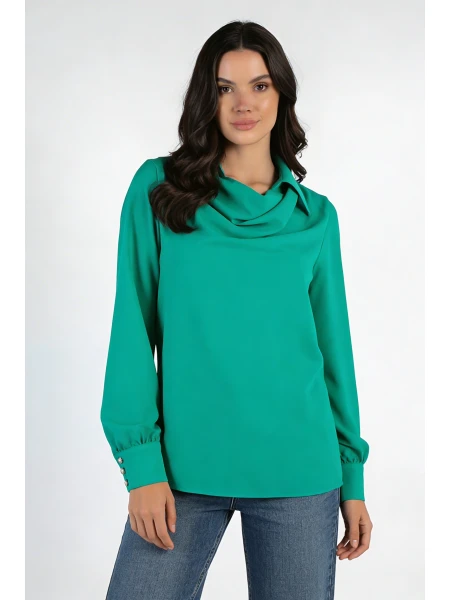
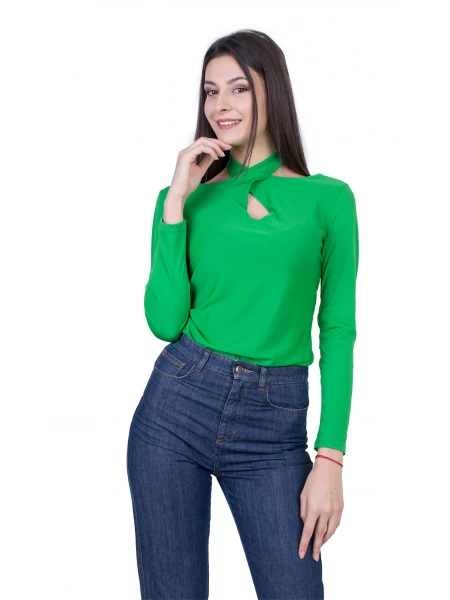
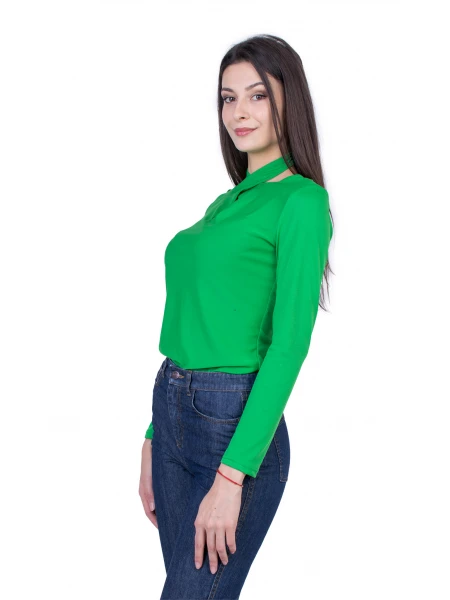
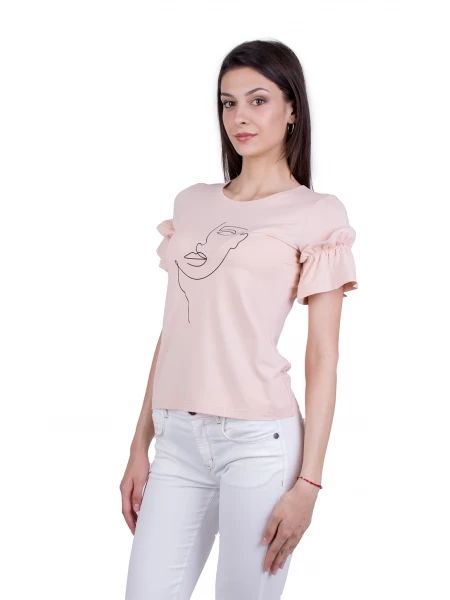
INISESS Women's Shirts & Blouses includes classic office shirts, refined occasion pieces, relaxed everyday blouses, tunics and sleeveless summer tops. The active selection spans cotton, Tencel, viscose, linen, knitwear, lace and more polished satin or silk-related styles depending on the individual product. New 2026 arrivals sit alongside active previous-season designs without rewriting older pieces as new. The best choice comes from comparing fabric, cut, sleeve, length and intended use rather than relying on colour or a product image alone.
What you will find in this category
This category covers more than classic button-front shirts. The active assortment includes office shirts, relaxed blouses, tunics, knit tops, sleeveless summer pieces, printed styles and more refined options for evenings or formal dressing. New 2026 arrivals sit alongside active designs from earlier seasons, so the most useful comparison is by fabric, cut, sleeve, length and intended use rather than by year alone. Current size and stock should always be confirmed on the individual product page before purchase.
New 2026 arrivals
The 2026 selection has a clear warm-weather and city focus, including cotton printed blouses, Tencel styles, viscose and linen tops, ombré and animal-inspired prints, plus cleaner solid-colour pieces. Some are built for summer wear, while others can move into office or smart-casual outfits with a blazer or tailored trousers. The season year is kept accurate: 2026 models are presented as new-season pieces, while active items from 2025 and earlier remain clearly understood as previous-season products.
Active styles from previous seasons
The category also contains active pieces from 2025, 2024, 2023 and earlier years. These include shirts with decorative buttons, lace accents, puff sleeves, satin and silk directions, knit blouses and longer tunics. They are not rewritten as 2026 releases. A previous-season blouse can still be a strong wardrobe choice when the cut, fabric and colour work for you. What matters is the garment itself and its current availability, not whether the original season is the newest one.
Cotton shirts and blouses
Cotton appears across everyday tops, T-shirt-style blouses and more structured shirts. Some styles use cotton with elastane or another fibre, which changes stretch, drape and how the garment sits on the body. A crisp cotton shirt can work under a blazer for office dressing, while a softer cotton blouse fits naturally into casual outfits. The exact fibre percentage should always be checked on the specific product rather than assumed across the category, because different styles use different blends and constructions.
Tencel blouses
Tencel appears in part of the newer selection and tends to support a softer, more fluid look than a crisp woven shirt. Some active styles combine Tencel with viscose, creating a fabric story that works especially well for polished city outfits. A Tencel blouse can be worn with trousers, skirts or denim. The fabric name alone does not tell you everything about thickness or fit, so compare the actual composition, cut and product images before deciding between two seemingly similar styles.
Viscose for lighter tops
Viscose is one of the recurring materials in the lighter part of the assortment. It appears in solid tops, printed blouses and mixed-fibre fabrics. Depending on the weave and cut, the garment may fall softly or hold a cleaner line. Viscose tops pair easily with Women's Trousers, Women's Skirts or denim. Look at the full composition too, because elastane, cotton or polyester can significantly change stretch, texture and everyday care.
Linen tops for summer
Linen appears in active summer styles and gives the category a natural warm-weather direction. Colourful linen tops can be combined with wide-leg trousers, skirts, shorts or denim depending on the occasion. Linen's visible texture and tendency to crease are part of its character, not necessarily a flaw. Do not assume that every linen-labelled product is 100% linen; some styles use blends. The exact composition and care information on the product page should guide the final decision.
Satin and silk direction
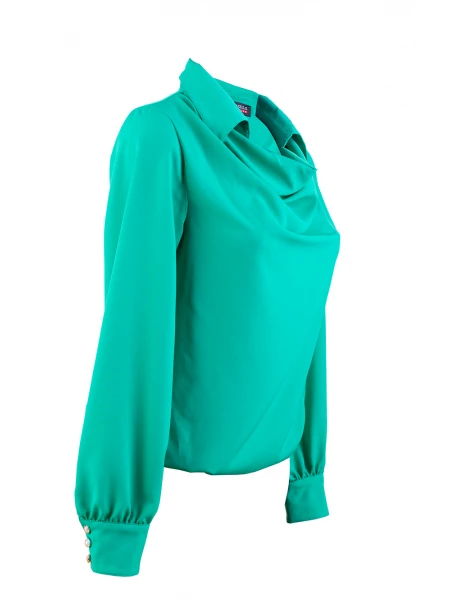
The more refined side of the category includes satin-look and silk-related blouses suited to evening wear, special occasions and polished office combinations. Smooth or lightly lustrous surfaces react strongly to light, so live product photography is especially important for judging colour and texture. For a tailored look, pair these blouses with Women's Blazers or Women's Suits. When the fabric itself is visually rich, simpler accessories usually keep the outfit balanced.
Lace and decorative details
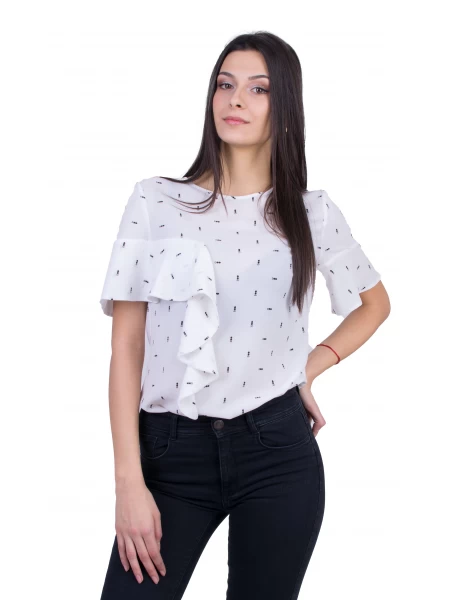
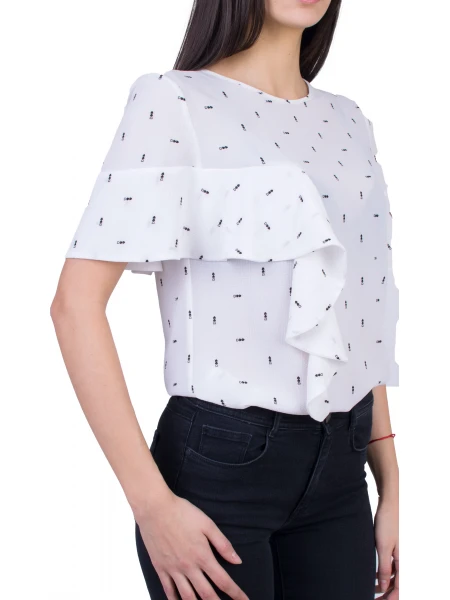
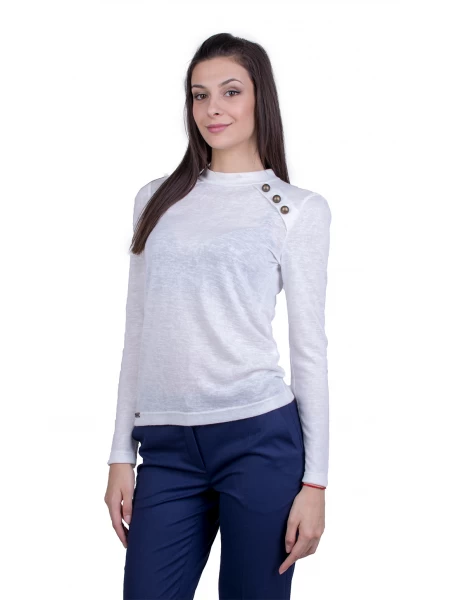
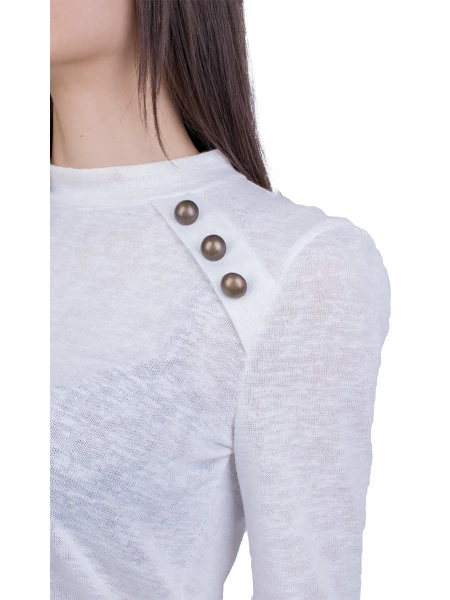
Lace inserts, decorative buttons, stones, gathers, ruffles and neckline details appear across several active styles. These elements can move a blouse from everyday to dressier territory without changing the basic silhouette. When a top already has strong decoration, the rest of the outfit usually benefits from cleaner lines. A lace shirt works well with plain trousers or a skirt, while a blouse with detailed neckline trim may not need a statement necklace. Product close-ups are useful for understanding the scale and placement of the decoration.
Knit and jersey blouses
Knit and jersey pieces form the softer, more casual side of the category. Depending on weight, they can work in spring, cool summer weather, autumn or as layers under outerwear. When choosing a knit blouse, consider stretch, garment length and how the fabric behaves under a blazer. A relaxed top often balances well with a structured bottom, while a closer fit can work with wider trousers or fuller skirts. The actual fibre composition determines whether the piece feels light, warm, elastic or more structured.
The classic white shirt
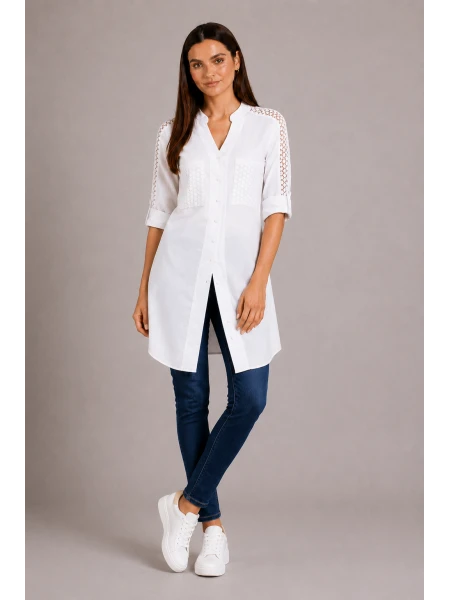
A white shirt remains one of the most versatile pieces in the category. It can be worn with Women's Blazers, tailoring, denim or skirts. The INISESS selection includes both cleaner white shirts and versions with ruffles, decorative buttons or other details. For office dressing, prioritise shoulder fit and enough room through the bust so the button placket lies flat. For a more relaxed city look, a longer or softer construction can work particularly well with denim or straight trousers.
Black shirts and blouses
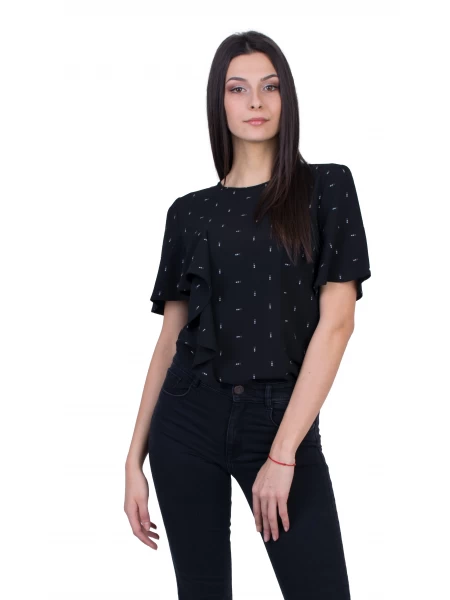
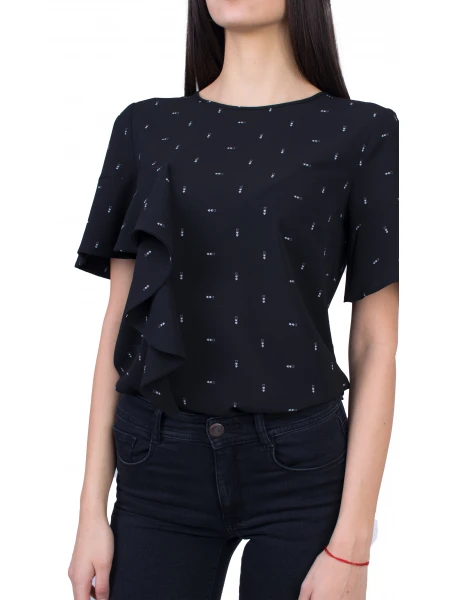
Black creates a graphic, easy-to-style base for office, evening and smart-casual wear. Depending on fabric, a black blouse can look matte and understated or more polished and dressy. A detailed black shirt can be paired with simple trousers, while a minimal black top can support a colourful skirt or stronger accessories. Texture matters: a crinkled or satin-like black surface will read differently from plain cotton. Review close product images whenever surface character is important to your choice.
Prints: floral, zebra and leopard
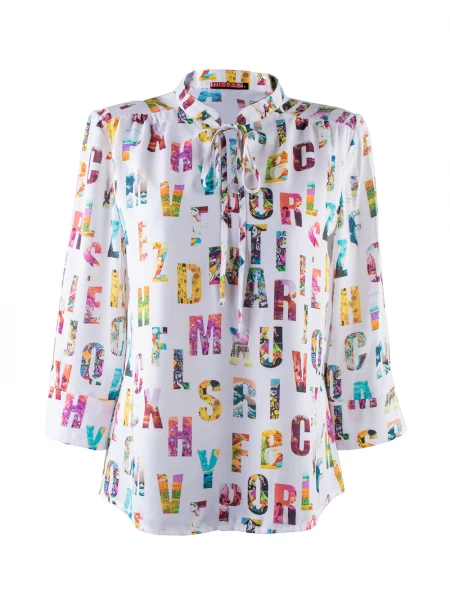
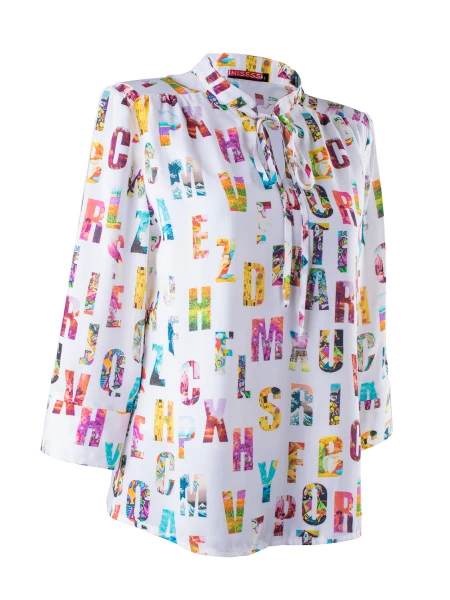
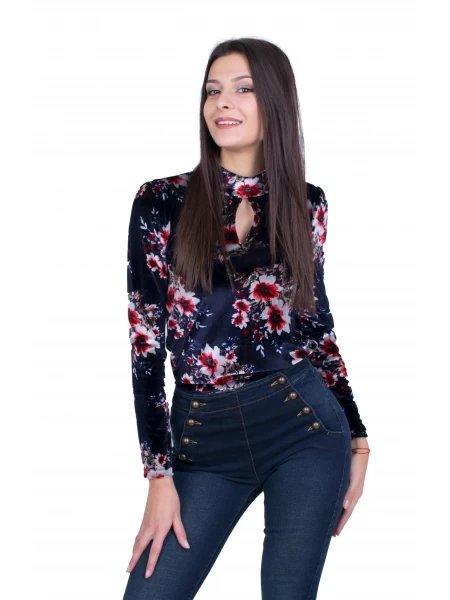
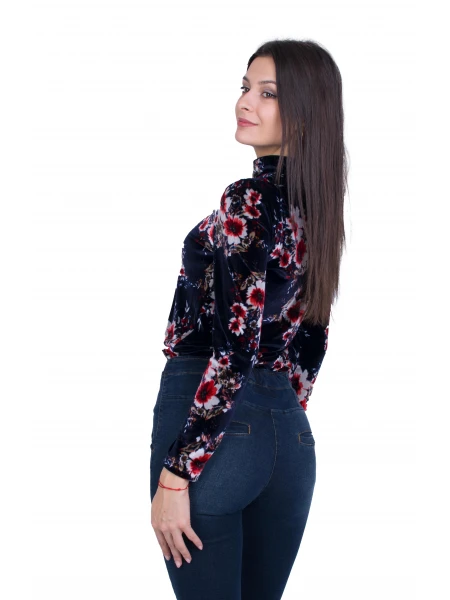
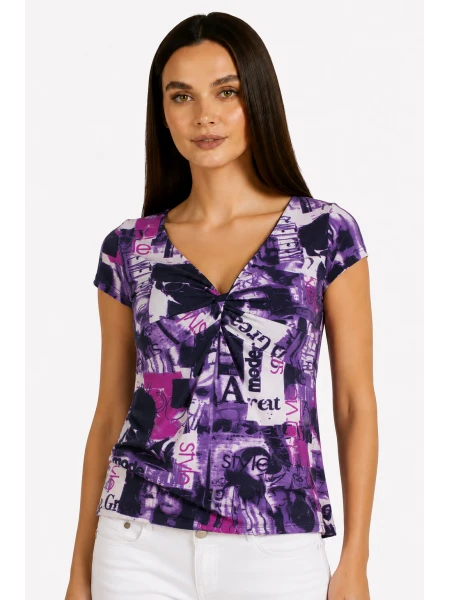
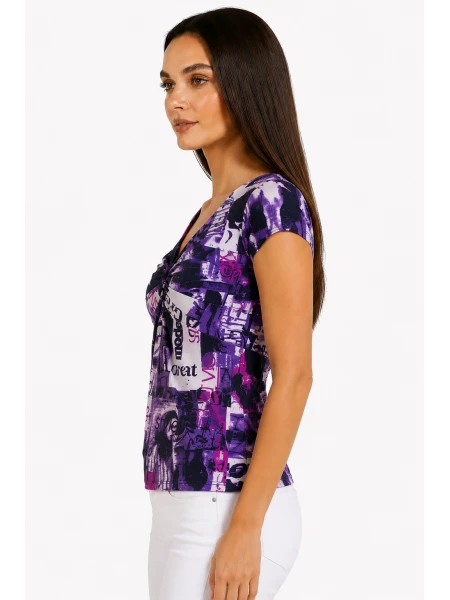
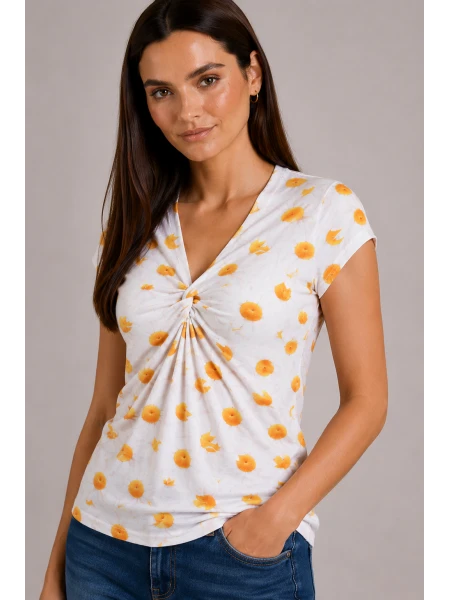
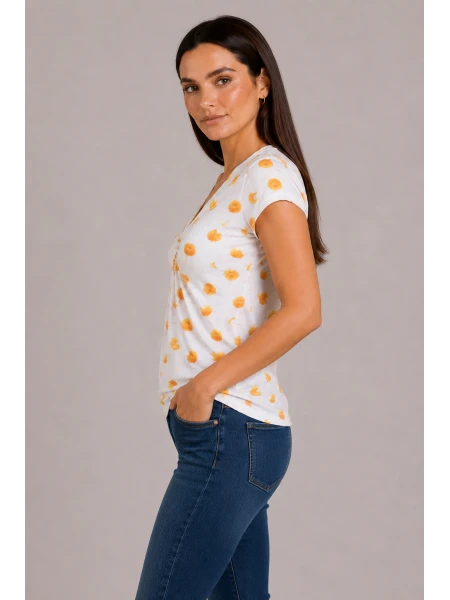
Printed blouses bring the strongest visual energy to the category. Active styles include floral directions, zebra-inspired patterns, leopard motifs, ombré effects and graphic prints. The simplest way to style a bold print is with a solid lower piece in black, white, denim, beige or navy. You can also repeat one colour already present in the print. With an ombré or animal-inspired top, keep shoes and bags quieter unless you deliberately want a more expressive outfit.
Short sleeves
Short sleeves are practical for spring, summer and warm office environments. The category includes casual cotton and jersey tops as well as more polished short-sleeve blouses. Pay attention to where the sleeve ends on the upper arm, because that changes the visual proportion of the top. Short sleeves can sit well under a roomier blazer, but under a very fitted jacket they may bunch at the armhole. If layering is part of the plan, consider both sleeve volume and fabric thickness.
Long sleeves
Long sleeves remain the natural choice for classic shirts, office wear and transitional seasons. The active assortment includes both structured and softer long-sleeve pieces. Shoulder width, sleeve length and elbow comfort are all important. If the shirt will be worn under tailoring, cuffs and sleeve volume should allow easy layering. A wider sleeve may need more room inside the blazer. For an untucked look, also consider where the shirt hem falls relative to the hip.
Puff and statement sleeves
Puff sleeves add volume to the upper body and can make a simple colour feel more expressive. The category includes active styles with this direction from recent seasons. A clean lower half—straight trousers, a pencil skirt or simple denim—often gives the best balance. If you plan to wear the blouse under a blazer or coat, check that the outer layer has enough room to preserve both comfort and the intended sleeve shape. Statement sleeves are most successful when the rest of the outfit gives them space.
Sleeveless summer tops
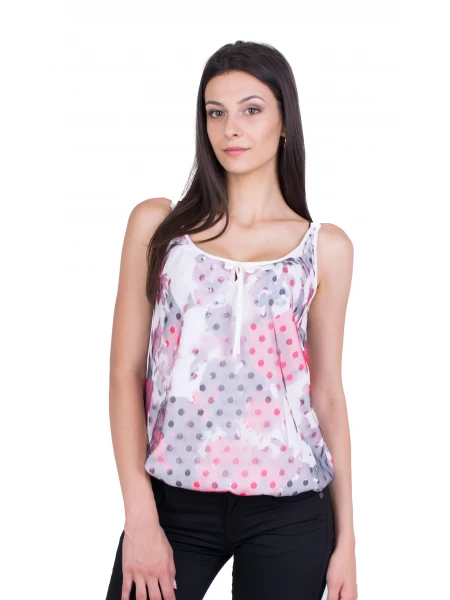
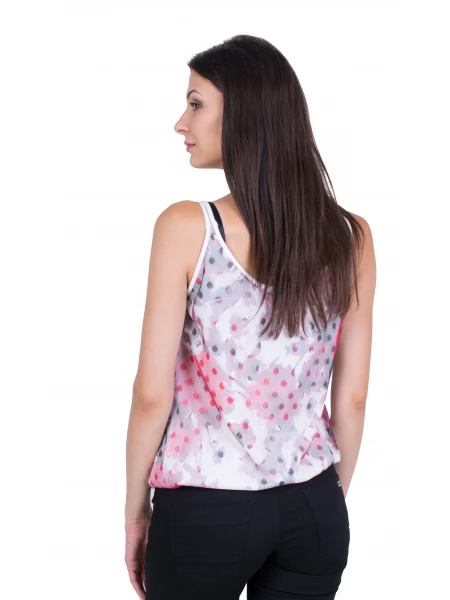
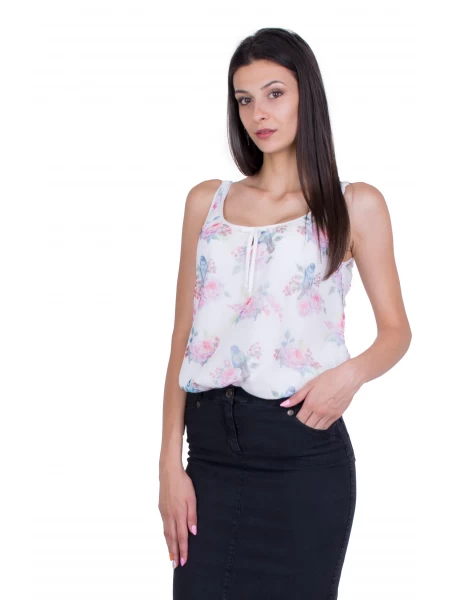
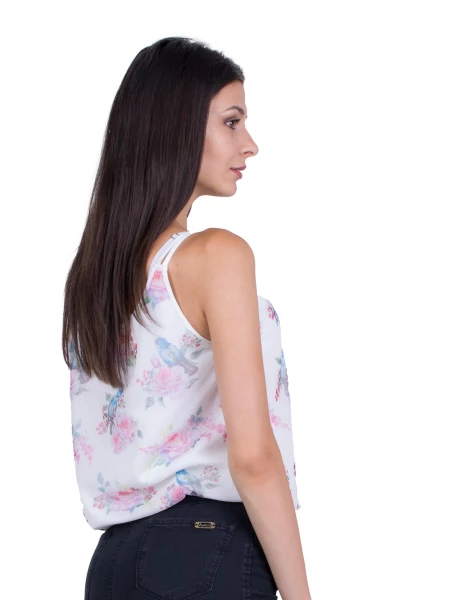
Sleeveless tops are strongly represented among the warm-weather styles, particularly in viscose, linen and other light blends. They can be worn alone in hot weather or layered under a blazer for a more polished city outfit. Check strap width, armhole shape and neckline depth. For office use, a more covered neckline and cleaner structure may be easier to style; for travel, holidays or relaxed weekends, a softer or airier silhouette may be preferable.
Tunics and longer silhouettes
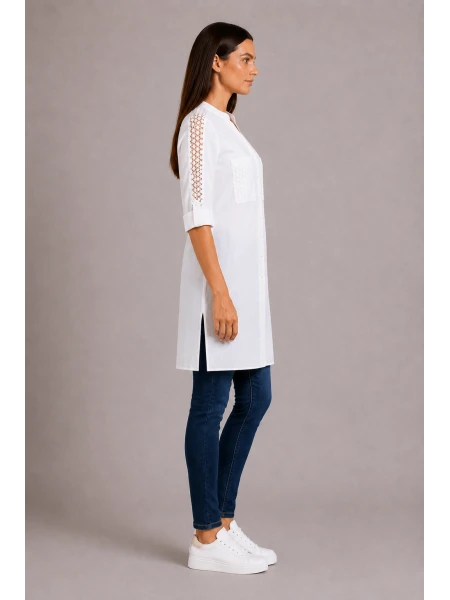
Tunics provide additional length and can work with slim trousers, straight-leg styles, jeans and sometimes skirts. The active assortment includes older tunic designs that remain useful for shoppers who prefer more coverage and a relaxed silhouette. Look at side slits, hem shape and where the garment ends relative to the hip and thigh. These details affect both movement and visual proportion. If the tunic is very long, the lower piece should usually remain comparatively streamlined.
Office dressing
For office wear, the most adaptable options are a white or solid shirt, a clean Tencel or viscose blouse and controlled prints. Pair them with Women's Trousers, Women's Skirts or Women's Blazers. In formal workplaces, prioritise neckline coverage, appropriate length and fabric opacity. In smart-casual offices, printed or softer silhouettes can work well as long as the overall outfit still looks deliberate and balanced.
Everyday styling
Everyday outfits allow more freedom: printed cotton, soft jersey, Tencel, a viscose top or a relaxed shirt can all work. With Women's Jeans, the result can be easy and urban; with wider trousers or a skirt, the same top can become more polished. When the blouse has a bold print or statement sleeve, let the rest of the outfit stay quieter. If the blouse is minimal, shoes, jewellery or a bag can carry more of the visual emphasis.
Evening and occasion dressing
For evenings or occasions, look toward satin, silk-related fabrics, lace, decorative trim or a refined blouse with a clean neckline. Pairing a blouse with Women's Suits or elegant trousers can be a versatile alternative to a dress. If the fabric has shine, keep accessories controlled. If lace, stones or decorative buttons are already prominent, avoid crowding the neckline with too many additional details. A simple shoe and bag can keep the blouse as the focus.
With jeans
A shirt or blouse with Women's Jeans is one of the easiest combinations to repeat. A white shirt with straight denim is a clean classic; a printed blouse with dark jeans works for an evening out; a Tencel or viscose top with relaxed denim creates a modern casual line. If the jeans have heavy fading, distressing or decoration, choose a quieter top. Minimal denim, by contrast, can carry a stronger print or more texture above.
With skirts
Blouses and skirts can move between office and softer feminine dressing. A relaxed blouse often looks better partially or fully tucked at the waist, while a closer-cut shirt can balance a fuller skirt. Explore Women's Skirts for different proportions. If the skirt is patterned, keep the blouse simpler. If the skirt is solid, the top can carry more colour, texture or print. Waist placement and blouse length matter when deciding whether to tuck the garment.
With a blazer
A blazer adds structure and can make a soft blouse office-ready or more formal. Choose a top that sits smoothly underneath without excess fabric bunching. Tencel, viscose and fine woven fabrics often layer easily. If the blouse has a puff or statement sleeve, make sure the Women's Blazers cut leaves enough room. A white shirt under a dark blazer remains classic, while a coloured or printed blouse creates a more contemporary business look.
Fit through shoulders and bust
For shirts, shoulders and bust are the most critical fit points. The shoulder seam should sit close to the natural shoulder unless the design is intentionally oversized. A button front should lie flat without pulling between buttons. For pull-on blouses, check ease through the bust and how the fabric falls. The same nominal size can fit very differently in cotton, Tencel, viscose, jersey or satin. Use the specific product measurements whenever they are available.
Waist, hip and garment length
Longer shirts and tunics need enough room through the hip if worn untucked. If you plan to tuck a blouse into trousers or a skirt, make sure the length is sufficient and that the fabric does not create too much bulk at the waist. With cropped or shorter tops, consider the rise of the lower garment. The best silhouette is not the one that follows a general rule, but the one that supports how you actually intend to wear the piece.
Opacity and lining
Light colours and fine summer fabrics can be more transparent, but opacity should not be assumed from colour or fibre name alone. Check product photography, descriptions and any lining information. A white shirt may require a nude camisole or undergarment depending on fabric density. Lace and fine satin or silk-like fabrics deserve particular attention when the blouse is intended for office or formal settings. If opacity is important, confirm it before purchase rather than relying on a category-level assumption.
Necklines and collars
Neckline shape changes how a blouse works with jewellery, blazers and overall proportion. A classic collar feels more business-like, a V-neck creates a more open vertical line, and a round neck is easy for casual dressing. If the neckline already has ruffles, decorative buttons or trim, additional jewellery may be unnecessary. For more formal work environments, evaluate both style and neckline depth. The same colour can feel very different depending on collar construction and shoulder line.
Capsule wardrobe planning
A practical capsule can begin with five roles: a white shirt, a neutral soft blouse, a warm-weather linen or viscose top, a satin or silk-related occasion blouse, and one printed style. This covers office, casual, travel and evening use without buying several nearly identical garments. Before adding another blouse, ask whether it creates a new styling function or simply repeats something already in your wardrobe. Versatility matters more than collecting many small variations of the same silhouette.
Care by fabric
There is no single care method for every blouse and shirt. Cotton, linen, viscose, Tencel, satin, silk, lace and knit fabrics may need different wash temperatures, spin speeds, drying and ironing. Follow the product care label. Do not assume machine washing is safe for delicate fabrics. Decorative stones, pearl-like buttons, lace or other trims may also require gentler handling because friction can affect both the surface and attached details.
Seasonality and layering
Linen, sleeveless tops and lighter viscose are natural warm-weather choices. Long-sleeve shirts, knitwear and denser blouses can move into transitional seasons and under Women's Outerwear. When layering, pay attention to sleeve and collar volume. Fine blouses sit easily under blazers and coats, while puff sleeves or thicker knitwear need more room. Choosing the right base layer can make the same blouse work through more months of the year.
Packing for travel
For travel, choose tops that can produce at least two different outfits. A neutral shirt works with denim during the day and tailored trousers at night, while a soft sleeveless top can be worn alone or under a blazer. Fabric behaviour also matters: if visible creasing bothers you, consider that when choosing linen or delicate woven pieces. In air-conditioned environments, layering is often more practical than relying on one very light garment. A small, coordinated selection usually works better than packing many similar tops.
Layering in spring and autumn
In transitional weather, shirts and blouses work as flexible base layers under blazers, cardigans and coats. Fine viscose or Tencel pieces allow multiple layers without too much bulk. A classic shirt can be buttoned, worn open over a top or layered under knitwear if the collar and cuffs sit comfortably. Statement or puff sleeves need outerwear with enough room. The goal is to preserve mobility and garment shape while adapting the same wardrobe pieces to changing temperatures.
For a job interview or important meeting
For a job interview, presentation or important meeting, choose a blouse that looks intentional without demanding constant adjustment. A white or solid shirt, a refined Tencel blouse or a subtle satin-like top can work well with tailored trousers or a blazer. Check that the neckline stays comfortable when seated, the sleeves do not restrict movement and the fabric does not pull across the bust. The best option is one that supports confident movement rather than a highly decorative piece that requires frequent repositioning.
Accessories and footwear
Accessories should support the blouse rather than compete with it. A detailed neckline, lace panel, pearl-style buttons or animal print may need only small earrings and a simple bag. A minimal shirt can carry a stronger necklace, colourful shoe or statement handbag. Footwear changes the level of formality quickly: loafers or clean flats suit office and everyday use, while a refined heel can move the same blouse toward evening. The exact balance depends on the garment's fabric, colour and decoration.
Cost per wear and practical value
A blouse is useful when it can be worn repeatedly in different settings, not simply because it belongs to the newest season. Before buying, imagine at least three complete outfits using items you already own. A white shirt may serve office, travel and weekend styling; a printed blouse may have fewer combinations but create stronger impact; a satin piece may be reserved for occasions. Thinking in cost per wear can help distinguish a genuinely useful addition from a garment that looks attractive but has no clear place in the wardrobe.
From summer into early autumn
Some summer blouses can continue into early autumn through layering. A sleeveless viscose or linen top can sit under a blazer, while a short-sleeve cotton blouse can work under a cardigan or light coat. Colour also affects seasonal flexibility: cream, brown, navy, black and muted prints transition easily, while bright summer shades can remain useful as deliberate accents. The key is not to relabel a summer product as winterwear, but to use layering realistically when temperature and fabric weight allow it.
Common buying mistakes
Do not choose only by your usual size. Fabric and cut can change the real fit significantly. Do not assume every white shirt is opaque, every viscose blouse drapes in the same way, or every older-season piece looks dated. Another common mistake is buying a highly decorative top without considering what you will wear with it. A better question is whether the blouse works with your actual trousers, skirts, jeans, shoes and daily occasions rather than only looking attractive on its own.
Pre-purchase checklist
Before ordering, review the exact size, composition, garment length, sleeve, neckline, closure, colour and current availability. If the style includes lace, stones, decorative buttons or other trim, inspect close images. For a summer top, check the armhole and potential transparency; for a shirt, focus on shoulders and bust; for a tunic, check hip room and total length. A good decision uses the garment's real specifications and your intended use rather than a general impression from the first image.
How to avoid the wrong choice
The most common error is selecting by image and colour alone. Check the exact material, length, sleeve type, neckline, closure and whether the style is fitted or relaxed. Do not assume two colours from the same family always share an identical composition; product variants can differ. If an important detail is missing, it is better to confirm it than to guess. This is especially important for workwear, delicate fabrics and garments you intend to layer.
Connection to the wider wardrobe
Shirts and blouses are a key linking category within Women's Clothing. The same blouse can work with jeans during the day, with trousers and a blazer at work, or with a skirt and more refined shoes in the evening. That flexibility makes fabric and cut more important than short-lived trend language. When choosing a new piece, think of at least three lower garments you already own that can work with it.
Frequently Asked Questions about Women's Shirts & Blouses
How do I choose the right shirt size?
Compare bust, shoulders and hip with the specific product chart. A button front should lie flat without pulling between buttons.
Which fabrics work best for summer?
Linen, viscose and some lighter Tencel or cotton styles are natural options, but fabric weight and exact composition matter.
Are Tencel and viscose the same?
No. They are different fibres and can behave differently depending on weave and blend.
Can I wear a sleeveless blouse to the office?
Yes, if the dress code allows it and the neckline, fabric and cut are appropriate. A blazer can make the outfit more formal.
What should I wear with puff sleeves?
A cleaner lower half such as straight trousers, a simple skirt or denim usually balances the extra volume.
Is every white shirt opaque?
No. Opacity depends on fabric density and construction, so check images and product information.
How do I style a printed blouse?
A solid lower piece is the easiest option, either repeating one print colour or using a neutral base.
Are previous-season styles still worth buying?
Yes, if the style fits your needs and current size and stock are confirmed. An older season does not make the garment unusable.
What is the difference between a shirt and a blouse here?
A shirt is usually more structured and often has a collar and front fastening, while a blouse may be softer, knitted, sleeveless or decorative.
How do I choose a blouse for a suit?
Look for a smooth fabric, controlled neckline and sleeves that sit comfortably under the blazer.
How should satin or silk-related fabrics be cared for?
Follow the specific care label and do not assume standard machine washing is safe.
Can I tuck a shirt into trousers?
Yes, if the length and fabric volume allow a clean tuck without excessive bulk at the waist.
How do I choose between linen and viscose?
Linen has a more natural texture and visible creasing, while viscose often drapes more softly. The exact blend still matters.
Does active status guarantee stock?
No. Current size, colour and availability should be checked on the product page.
Will the category URL change?
No. The existing SEO URL is preserved.