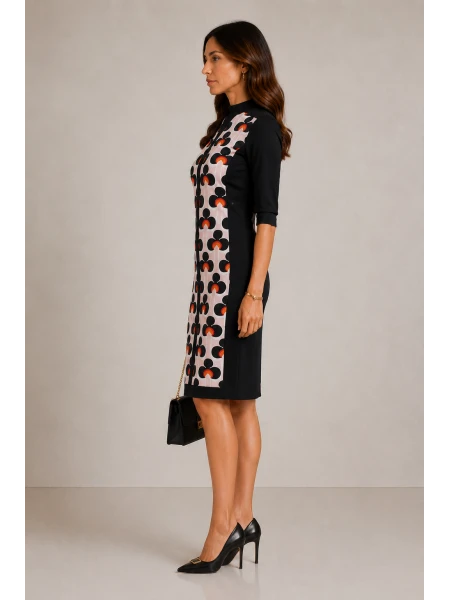
Women's Dresses 2026 – Casual, Tencel Denim, Knit, Lace, Chiffon and Elegant Dress Styles
The INISESS Women's Dresses category covers far more than one idea of a dress. The current product structure includes everyday dresses, knit and jersey styles, Tencel denim dresses, wool peplum dresses, lace and chiffon designs, jacquard and sequin occasion dresses, floral and leopard prints, classic black and white styles, sporty or casual dresses and coordinated mother-and-daughter sets. This means the category can serve very different needs: weekday dressing, office use, travel, warm-weather city life, dinners, weddings and other special occasions.
Choosing the right dress is therefore not just a matter of colour or labelled size. Fabric, shoulder and torso fit, waist placement, finished length, season, footwear and the intended setting all influence whether a dress becomes a useful part of the wardrobe. A well-chosen dress can be more than an occasion piece; with the right layers and accessories, it can become one of the most frequently repeated garments you own.
What types of dresses are available in INISESS?
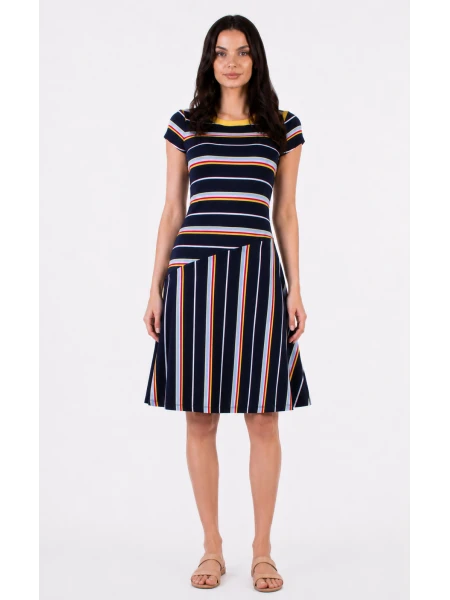
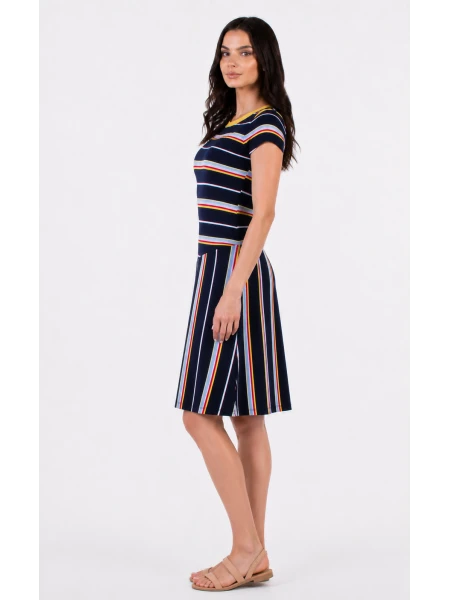
Although active products come from different seasons, they create a broad and useful mix for today's shopper. Casual dresses provide a quick one-piece solution for everyday life. Knit dresses can work in warm or cool conditions depending on yarn, weight and construction. Tencel denim dresses combine the visual language of denim with a softer dress silhouette. Lace, chiffon, jacquard and sequin styles have a stronger occasion and evening character.
Classic black dresses are long-term wardrobe anchors because accessories can easily change their mood. White and light-coloured dresses feel fresh in spring and summer. Red, turquoise, light blue, green and multicolour dresses naturally become the focus of the outfit. Printed and floral dresses usually look more polished when the rest of the styling remains controlled.
Before comparing details, decide on the main use: everyday, office, holiday, dinner or formal occasion. Once that intention is clear, it becomes easier to choose the right fabric, cut, length and level of decoration.
How to choose an everyday dress
An everyday dress should not only look relaxed; it should work across a full day. The fabric needs to allow practical movement, the length should fit your routine, and the dress should combine easily with shoes and outer layers you genuinely use.
Casual and sporty dresses can be worn with sneakers, loafers, flat sandals or boots depending on the season. A simple solid dress can be changed with a denim jacket or women's blazer. A floral or printed dress already carries visual energy, so a quieter bag and shoe often create better balance.
Pockets, sleeve construction, neckline and hem length can all change everyday usability. A pocketed style may feel more practical for city life. Long sleeves or knitwear can help with layering in cooler weather. Sleeveless viscose or light fabrics can feel more suitable for warm temperatures.
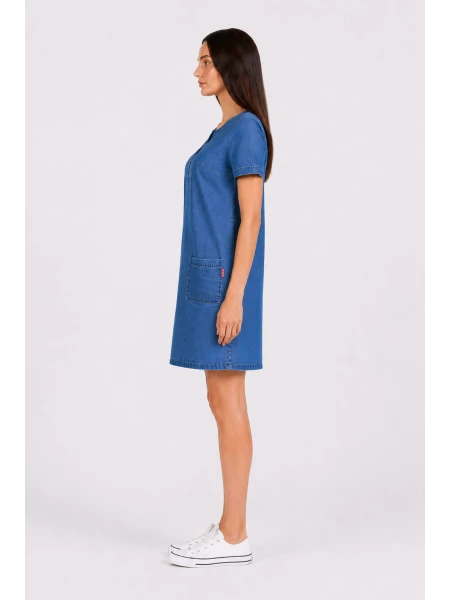
Tencel denim dresses: denim with a softer line
Tencel denim and denim dresses form a distinct sub-theme in the category. Depending on the exact blend, Tencel denim can feel softer and more fluid than traditional cotton denim, but the actual fibre composition must always be confirmed on the individual product page.
A denim dress is valuable because it can move easily between casual and more polished styling. Wear it with sneakers or loafers for everyday use. Add a belt where the design allows if you want more waist definition. For a smarter city look, layer it with a blazer and a clean bag. In cooler weather, a thin knit may work underneath if the cut has enough room.
If you combine denim with denim, either choose deliberately matching tones or create a clear contrast. Two washes that are almost the same but not intentionally coordinated can look accidental. Because a denim dress already has strong texture, it rarely needs heavy accessorising.
Knit and jersey dresses across different seasons
The assortment includes both lighter summer knit dresses and warmer knitted styles, so it would be inaccurate to say knit dresses belong only to winter. Yarn, knit density, lining, sleeve length and overall weight determine the actual season.
A light summer knit dress can work with sandals or simple flats. A denser knitted dress can be worn with boots, loafers, a blazer or a coat in autumn and winter. When choosing size, pay attention not only to stretch but also to how the fabric recovers and how the garment sits through the torso.
In a fitted knit dress, underwear lines and fit through bust, waist and hip may be more visible. With relaxed knits, shoulder placement and total length become more important. Think about how the garment will behave when you sit, walk and move.
Lace dresses: occasion dressing with controlled styling
Lace naturally creates a romantic, elegant or formal effect. The category includes light-blue dresses with white lace detail and stronger red lace styles. Because lace is already decorative, accessories usually work best when they support the garment rather than compete with it.
For weddings, engagements, cocktails, dinners or family events, combine a lace dress with a small bag, clean footwear and restrained jewellery. The stronger the colour or lace pattern, the less additional decoration is often needed.
When buying a lace dress, check lining and transparency. Lining length, whether sleeves are lined, neckline depth and whether the lace feels soft or more structured can influence comfort. Use verified product details where available.
How to style a chiffon dress
Chiffon is often used when a lighter, more mobile silhouette is desired. The category includes multicolour chiffon dresses and styles with adjustable sleeve details. Chiffon's movement can work especially well for warm-weather occasions, dinners, holidays and events.
With a multicolour or printed chiffon dress, choose a solid-colour bag and shoe to keep the look balanced. Repeating just one colour from the print in an accessory often feels more current than trying to match every colour exactly.
For practical use, consider lining, transparency, movement in wind and finished length. A midi or long chiffon dress may move much more in real life than it appears to in a static product image.
Jacquard and sequin dresses for evening and formal events
Jacquard creates visible texture because the pattern is part of the woven construction. The category includes red jacquard dresses with a strong formal character. Black sequin dresses provide another direction for evening and event dressing.
When jacquard or sequins already dominate the visual story, jewellery can be simplified. A single pair of earrings or one bracelet may be enough. Shoes and bags do not need to add another heavy decorative layer.
For formal dresses, sitting comfort, slit placement, neckline and the way the fabric moves all matter. Do not rely only on standing product photos. Measurements and construction details help you understand how the dress may behave during a real event.
Why the black dress remains a wardrobe foundation
The black dress remains powerful because it can be restyled repeatedly. Within the category, black appears in classic dresses, leather-detail styles, fitted silhouettes and formal sequin designs. The colour may be constant, but the use is not.
A simple black dress can be relaxed with loafers, sneakers and denim. For the office, add a blazer, structured bag and clean footwear. For evening, use heels, a smaller bag and one stronger accessory.
Black alone does not make every dress appropriate for every setting. Fabric, cut, neckline, length and detail define the level of formality. A sequin black dress and a simple black daytime dress belong to different styling situations.
White and light-coloured dresses
White and light-blue dresses create a fresher visual effect for spring and summer. The category includes white dresses, light styles with black decoration and light-blue dresses with white lace details.
With light colours, lining and transparency deserve special attention. Underwear colour, fabric density and lighting can all affect the final appearance. Check product information about fabric and lining before buying.
White dresses can be styled with beige, brown, gold, silver or stronger colour accents. For daytime, natural-tone sandals and a simple bag work well. For a more elegant look, a metallic accent or clean heel can change the tone. Consider the event's dress expectations when wearing white to special occasions.
Red, turquoise and other strong colours
Strong colours such as red and turquoise immediately make the dress the centre of the outfit. The category includes scarlet red designs with removable details, turquoise formal dresses and strong red lace or jacquard styles.
When the dress colour is powerful, restrained accessories often create the most refined result. Red can work with black, beige or metallic small accents. Turquoise can be paired with white, cream, natural leather or metallic elements.
You do not need several strong colours in the same outfit. Let the dress lead. Colour harmony with skin tone is personal; comfort and confidence in the colour matter more than rigid rules.
Floral, leopard and other printed dresses
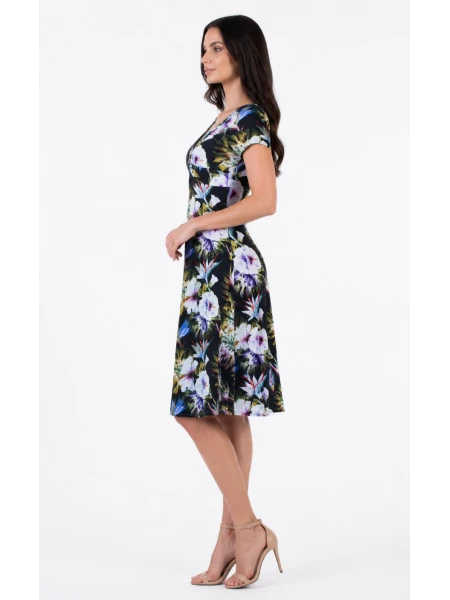
Floral, leopard and multicolour prints bring movement and character. Current products include green prints, floral styles, yellow-green leopard and multicolour designs. The scale of the print, intensity of colour and cut of the dress should be considered together.
With a large or powerful print, smaller solid accessories usually create balance. With a softer small-scale print, you may have more freedom to add another detail. A printed dress worn with a printed bag and multicolour shoe at the same time can become visually crowded.
For everyday use, printed dresses can be relaxed with simple sneakers or sandals. For a smarter look, a blazer and clean shoe can be added. Choosing a blazer colour from one quieter tone inside the print often creates coherence.
Peplum and fitted dresses: understanding proportion
The category includes wool peplum dresses, fitted designs and structured houndstooth-inspired styles. In these garments, torso and waist fit become more critical than in relaxed dresses.
Peplum adds volume and emphasis around the waist area. Check where the peplum begins relative to your natural waist. If it sits too high or too low, the intended silhouette can change.
With fitted dresses, compare bust, waist and hip measurements together. Choosing size from waist alone can create restriction elsewhere. Even when the fabric contains stretch, it should not be expected to correct an incorrect size.
Dresses with slits
A slit can add both movement and a visual focal point. Slit height, dress length and fabric movement need to be considered together. For office wear, a more controlled slit and structured fabric may be easier to manage. For evening or occasion wear, a stronger slit can become part of the design.
Remember that a slit can open further when sitting, so practical movement matters. Because the shoe becomes more visible, footwear becomes part of the dress styling. If both the dress and shoe are highly decorative, the outfit can lose a clear focal point.
Mother-and-daughter dress sets
The category includes mother-and-daughter dress sets in powder and baby-pink tones, designed to create a coordinated visual language for family events, birthdays, weddings, holidays and photographs.
The adult and child do not need identical accessories. Keeping accessories in the same colour family while allowing different shoes or details often looks more natural. For the child's dress, comfort, movement and age-appropriate length should take priority.
For the adult dress, torso, waist and finished length need to be checked as usual. A set does not mean the two garments should be selected using the same sizing logic; each needs its own measurements.
How to choose a dress for the office
For office wear, clean lines, comfortable movement, controlled necklines and an appropriate length are useful starting points. Black, navy, grey, beige or restrained prints are easy to combine in many workplaces, although the actual dress code should always guide the decision.
Adding a women's blazer can make a dress feel more professional. Consider blazer length together with the dress waist and hem. A very long blazer over a very full skirt can feel heavy; a clean dress may work beautifully with a longer blazer.
Check what happens to the hem when sitting, the depth of the neckline, wrinkling and comfort across a full working day. The dress should remain practical beyond the mirror.
Dresses for weddings and special events
For a special event, consider time, venue and dress code. A daytime outdoor ceremony and a formal evening event do not require the same fabric, shoe or accessory level.
Lace, chiffon, jacquard, sequins and strong colour naturally suit special occasions. If the dress already contains shine or heavy detail, a simpler bag, shoe and jewellery selection usually creates a more refined effect.
Movement matters too. If you will sit for a long time, check waist and hip comfort. If dancing or walking is likely, consider hem and slit movement. For outdoor events, wind and temperature can affect a light dress.
Choosing a summer dress
For summer, fabric density, sleeve construction, lining, length and freedom of movement matter. Viscose, light Tencel, cotton and fine knitwear can all be suitable depending on the exact product. Fabric name alone does not guarantee coolness; blend and weave are important.
Light-colour and printed summer dresses can be worn with sandals, espadrilles, sneakers or light loafers. A denim jacket or lighter blazer can be added in the evening.
If lining is very heavy, a summer dress may feel warmer than expected. If the material is very thin without lining, transparency may become an issue. Use verified construction information on the product page.
Layering dresses in autumn and winter
Knit, wool and denser dresses can be layered with boots, tights, blazers and coats in colder seasons. The challenge is to add warmth without completely hiding the original silhouette.
A fitted knit dress can look elegant under a longer coat. A fuller dress may need a more controlled outer layer. With a structured wool peplum dress, a coat may work better than a tight blazer that compresses the peplum.
In colder weather, also think about fabric feel against the skin, lining and static. Correct care helps preserve the intended shape of knit and wool garments.
How to choose dress length
Mini, knee-area, midi and long dresses create different proportions. Choose length with your height, setting and footwear in mind rather than trend alone. A midi dress ending at the widest part of the calf may create a heavier line on some people; a few centimetres higher or lower can change the effect.
A long dress should be checked with the shoes you plan to wear. If the hem drags, both appearance and practicality suffer. With shorter dresses, remember that the visible length changes when you sit.
When shopping online, comparing the listed finished length with a similar dress you already own is often more useful than relying only on model photography.
Dresses with blazers and denim layers
Adding a blazer is one of the easiest ways to move a dress between settings. A casual dress can approach office dressing; a simple black dress can feel more modern with a textured or coloured blazer. A denim jacket performs the opposite role by reducing formality and making floral, solid or lightweight dresses more casual.
Think about jacket length in relation to the dress waist and skirt. A cropped jacket can raise the visual waist, while a long blazer feels more urban. Colours do not need to match exactly. A black dress can work with beige, white or denim; a printed dress can be paired with one quieter colour from the pattern.
The live denim and jeans range can help coordinate denim pieces with dresses where there is a real styling relationship.
Choosing shoes and accessories
Shoes can completely change the use of a dress. Sneakers make it casual. Loafers or flats create a clean city look. Heels make the same dress feel more formal. Boots work with knit, denim and denser dresses in colder weather.
Accessories should support the dress rather than compete with it. Heavy lace, sequins, jacquard or strong print usually work best with smaller accessories. Minimal black or white dresses give more freedom for a stronger bag, jewellery piece or shoe.
Neckline also influences jewellery. With a detailed or high neckline, earrings may be more effective than a large necklace. With an open simple neckline, a necklace can create the focal point.
How to choose dress size online
Compare bust, waist, hip and finished length rather than relying only on the label. The tightest area can restrict movement. In non-stretch fabric, the widest relevant body measurement often deserves priority.
Knit and elastane can provide flexibility, but they should not justify choosing a dress that is too small. A relaxed or oversized dress also does not mean you need to size up automatically; the volume is already part of the pattern.
A useful method is to measure a similar dress in your wardrobe that fits well and compare those measurements with the product information.
Care and longevity
Care varies by fabric. Tencel, knitwear, lace, chiffon, jacquard, denim and wool should not all be treated the same. Follow the actual care instructions of the specific garment.
Lace and chiffon need protection from snagging and friction. Heavy knit dresses can lose shape if stored incorrectly. Structured or detailed dresses benefit from appropriate hangers and enough wardrobe space.
Verified label instructions are safer than applying one general home-care rule to every dress.
Can an older-season dress still look current?
The category contains products from different years. An older season does not automatically mean the dress is outdated. A well-fitting black dress, denim dress, simple knit or quality lace piece can continue to work for years.
Accessories, footwear and outer layers are the easiest way to update an older style. A modern blazer, clean bag, current shoe shape or more minimal jewellery can completely change the effect.
Stock and size availability may be limited on older-season products, so the individual product page remains the source of current availability.
Category architecture and internal linking
Women's Clothing is the parent authority for the dress category. Women's Dresses should deepen the dress-specific intent, while links to blazers, shirts or denim should appear only where there is a real styling or buying relationship.
This protects the silo. The dress category supports the main Women's Clothing hub rather than competing with it. Shoppers can understand fabrics, fits and use cases here and move to a related category only when they need a complementary garment.
Frequently Asked Questions
What types of dresses are available in INISESS Women's Dresses?
The category includes casual, knit, denim and Tencel denim, lace, chiffon, jacquard, sequin, floral, printed, classic black and white, formal and mother-and-daughter dress sets. Product availability changes over time.
What is the difference between an everyday dress and an office dress?
Cut, length, neckline, fabric and detail level may differ. Office wear usually benefits from controlled length and neckline, comfortable movement and dress-code compatibility.
How can I style a Tencel denim dress?
Wear it casually with sneakers, loafers or sandals and more polished with a blazer and clean accessories. Check exact fabric content on the product page.
Are knit dresses only for winter?
No. The category also includes lighter summer knit styles. Yarn, density, construction and weight determine the real season.
When can I wear a lace dress?
Depending on the style, weddings, engagements, cocktails, dinners and other occasions. Because lace is decorative, restrained accessories often work best.
Can a chiffon dress be worn casually?
Yes, when the cut, print and lining are suitable. More decorative chiffon styles may be better for occasions.
Is a black dress appropriate everywhere?
Not automatically. Cut, length, fabric and detail determine whether a black dress is casual, office-appropriate or formal.
What should I check with a white dress?
Transparency, lining, underwear colour and the event dress code are particularly important.
How do I choose dress length?
Consider your height, setting and footwear. Compare the listed finished length with a similar dress you already own when possible.
How should I size a fitted dress?
Compare bust, waist and hip together. Fabric stretch should not be expected to correct an incorrect size.
How can I make a dress more casual?
Add a denim jacket, sneakers, loafers, a simple bag and less jewellery.
How can I make a dress more elegant?
A blazer, clean shoes, a smaller bag and one strong accessory are often enough. If the dress is already detailed, reduce accessories.
When are mother-and-daughter sets useful?
Family photography, weddings, birthdays, holidays and special events. Comfort should remain the priority for the child's garment.
Should I buy an older-season dress?
If the fit, fabric and use are right, yes. An older season label alone does not make a dress unusable or unfashionable.
Where can I find the real fabric composition?
Use the verified composition and care information on the individual product page. The category describes product families, not technical data for every style.