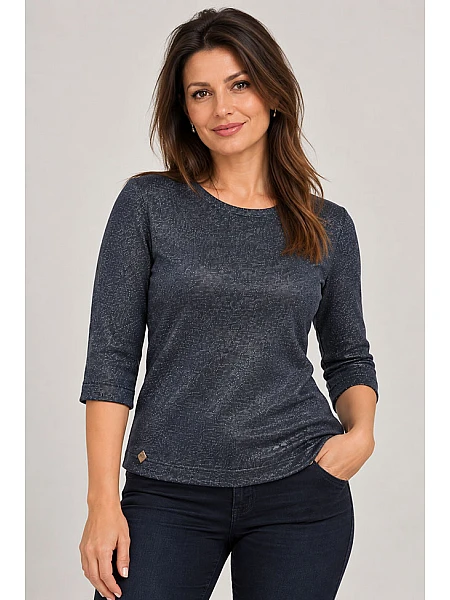
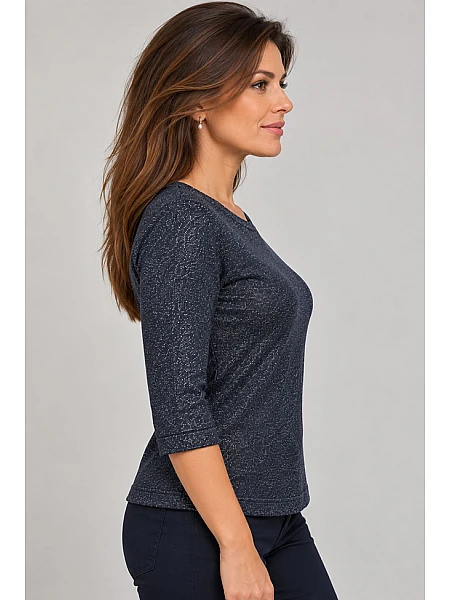
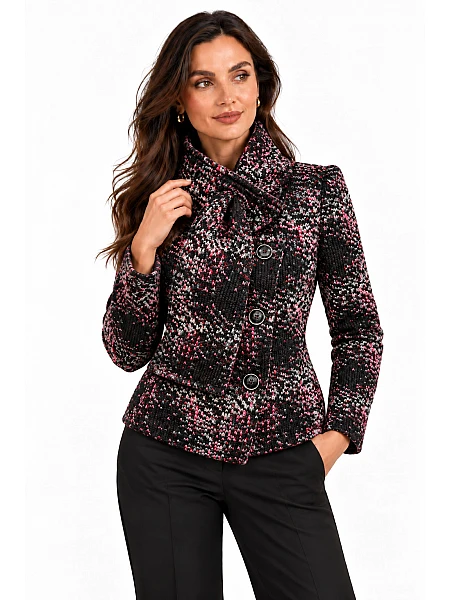
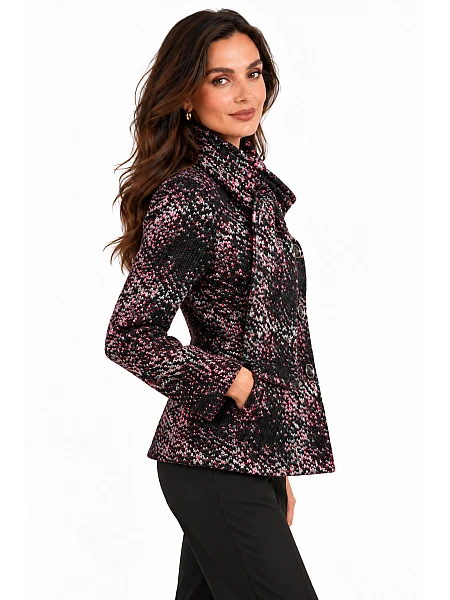
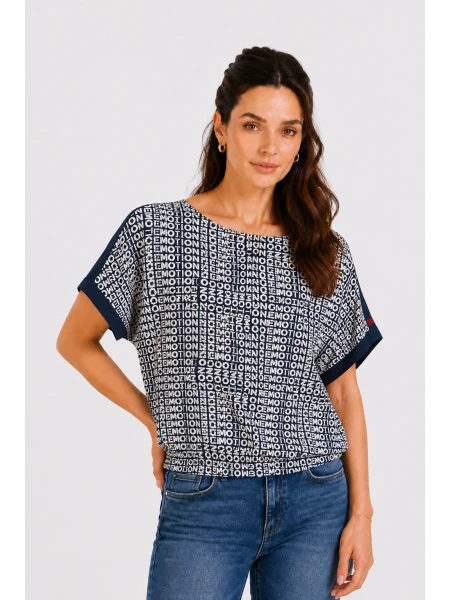
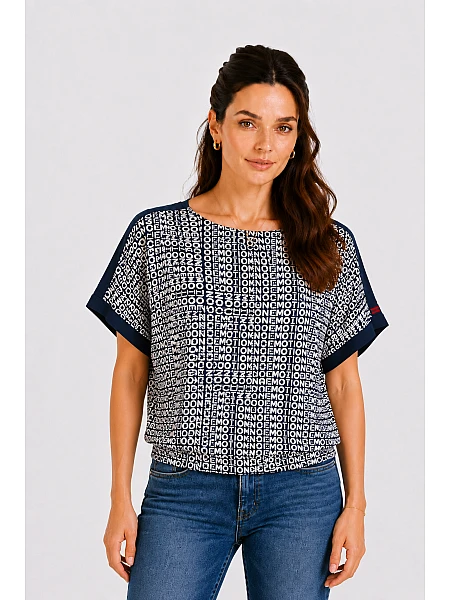
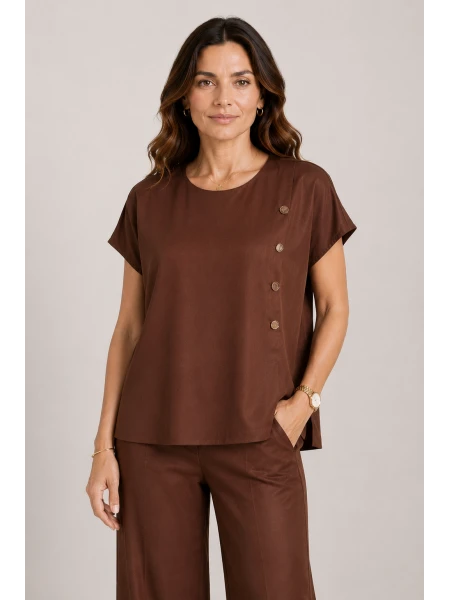
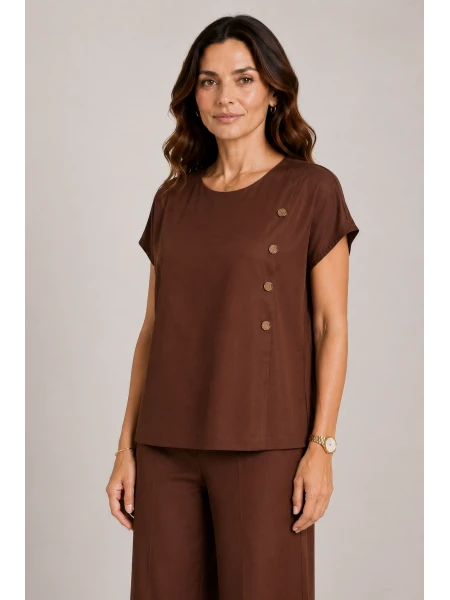
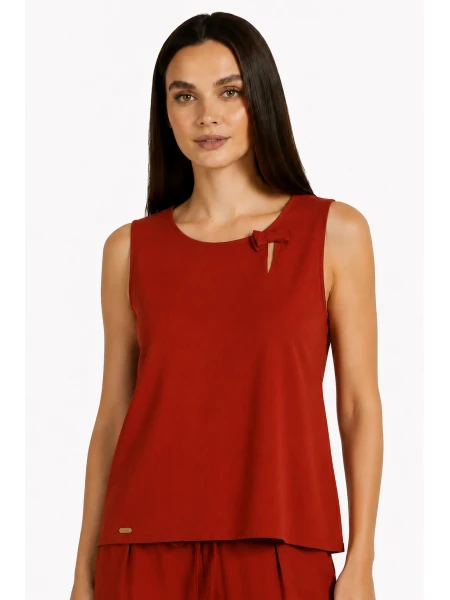
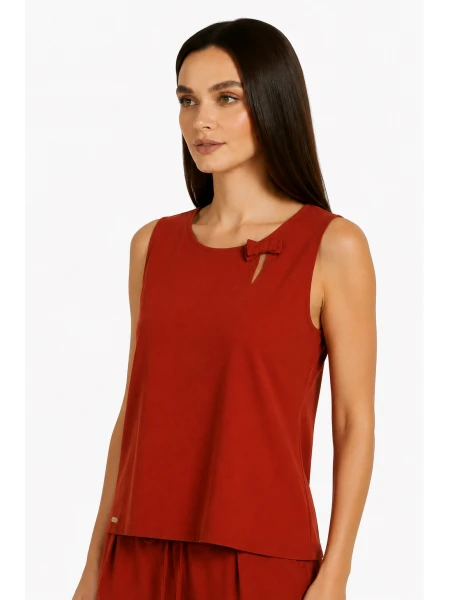
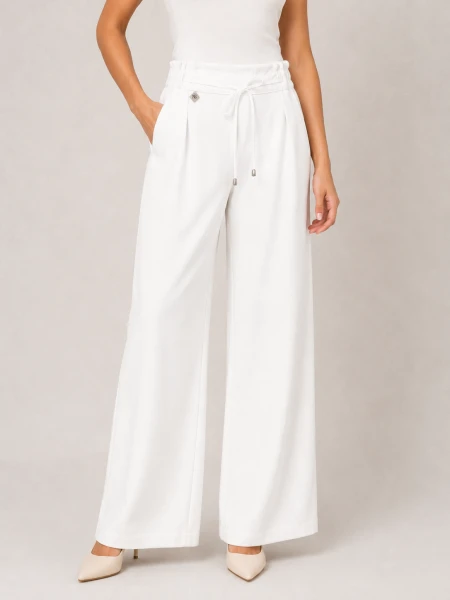
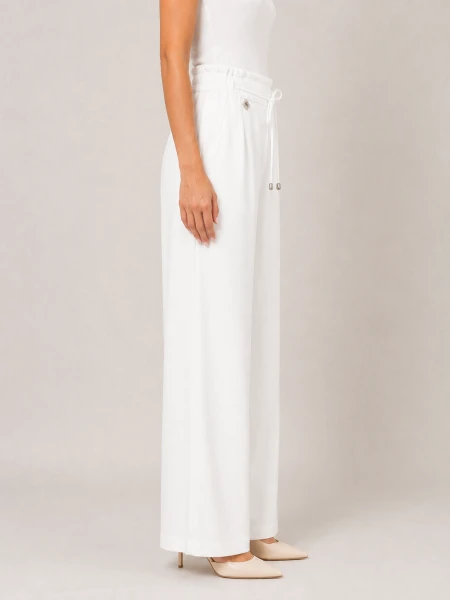
Women's Clothing – Dresses, Blazers, Trousers, Jeans, Skirts, Shirts & Blouses
What the current Women's Clothing catalogue actually contains
Category 168 currently has 231 active direct product records. Of those, 198 show product quantity above zero and 33 active records show quantity 0. Four of the 231 records are men's jeans also mapped to the Women's Clothing parent through a current taxonomy anomaly, so they are not treated as women's products in this guide. The customer-facing women's authority structure is therefore based on the genuine women's fashion assortment rather than blindly repeating every database relationship.
The active records span 2017 through 2026: 33 were added in 2026, 37 in 2025, 35 in 2024, 28 in 2023, 17 in 2022, 27 in 2021, 33 in 2020, 8 in 2019, 9 in 2018 and 4 in 2017. That is why this page should not be presented as a one-year “Women's Clothing 2026” collection. It is an evergreen authority page combining current products with active archive styles whose fit, fabric and use may still be relevant.
How the main product families are distributed
Among active records directly assigned to Women's Clothing, 43 overlap Women's Shirts & Blouses, 41 Women's Dresses, 37 Women's Trousers, 35 Women's Blazers, 22 Women's Skirts, 17 Women's Jeans and 16 Women's Outerwear. The main page is therefore a true wardrobe hub rather than a dress-only or trend-only landing page.
Current arrivals, sale and curated shopping intents
Within the same direct active catalogue, 123 products overlap New In, 88 overlap Sale, 8 overlap Last Pieces and 5 overlap Unique Pieces. These are horizontal shopping intents, not substitutes for product categories. A blazer can be New In and Sale at the same time; a skirt can be both Last Pieces and Unique Pieces. The garment family, fit and use should remain the first layer of the buying decision.
How the active catalogue spans the four seasons
Of the direct active Women's Clothing records, 179 overlap Spring Women's Clothing, 134 Summer Women's Clothing, 150 Autumn Women's Clothing and 59 Winter Women's Clothing. These figures overlap because one garment can genuinely work in more than one season. Seasonal mapping should be read as use context rather than as a technical temperature certification.
Fabric signals grounded in the live product names
Across the 231 direct active records, product titles contain denim or jean wording in 50 cases, cotton in 18, Tencel in 17, wool in 8, linen in 7, lace in 6, viscose in 2, knit in 2, jacquard in 2 and chiffon in 1. These are title-level signals, not full fibre-composition counts, but they show that fabric guidance on this page comes from the actual catalogue. A fibre name still does not prove weight, opacity, breathability, stretch or care requirements; those must be checked on the individual product.
Why active does not mean guaranteed in stock
Active status describes catalogue visibility, not guaranteed purchase availability. Thirty-three direct active records currently show quantity 0, and size or colour option stock may differ again from product-level quantity. The page therefore avoids statements such as “231 products in stock.” Current size, colour and selectable variant availability should be checked on the live product page before purchase.
A current taxonomy issue that should not distort the women's guide
Four 2026 men's jeans are currently mapped both to Women's Clothing and to the Men's Jeans category. They are excluded from the women's editorial narrative because the customer intent is clearly different. This content update does not alter category assignments or URLs; taxonomy cleanup should be handled separately so that content work does not silently change navigation structure.
INISESS Women's Clothing is the main fashion silo for the women's catalogue, bringing together the wardrobe categories that move from everyday city dressing to office wear, warm-weather styling, cold-season layering and occasion dressing. The structure includes women's dresses, blazers, skirts, suits, trousers, jeans, shirts and blouses, jumpsuits, outerwear and coordinated sets. Across the current assortment, fabrics and constructions include Tencel, linen, viscose, cotton, denim, wool blends, knitwear, lace, chiffon and more structured woven materials, each serving a different season, silhouette and use case.
The purpose of this page is not simply to say that women's clothes are available here. It is designed to help shoppers understand which garment type, fabric, fit and styling direction best suits real life. Good fashion buying is rarely just about colour or trend. The rise and finished length of a trouser, the shoulder line of a blazer, the body length of a dress, the drape of a blouse or the layering room inside a coat can all have more impact on how useful a garment becomes than the label alone.
What is included in the INISESS women's clothing range?
The women's catalogue is organised by garment type so shoppers can move from a broad wardrobe need into a more precise comparison. The live Women's Dresses category includes everyday, knit, denim, Tencel, lace, chiffon, jacquard and more occasion-oriented styles. Women's Blazers include Tencel tailoring, denim jackets, wool and checked pieces, peplum shapes, single-button designs and more structured jackets. Women's Trousers range across wide-leg, straight-leg, cropped 7/8 and 9/10 lengths, linen, viscose, cotton, Tencel and colder-weather wool styles.
The live Women's Jeans category covers straight, wide-leg, stretch, shorter-length, Tencel-denim and quilted winter jeans. Women's Shirts & Blouses span printed cotton tops, Tencel shirts, viscose summer blouses, silk and satin styles, denim shirts, lace and embroidery. Skirts, suits, sets, jumpsuits and outerwear complete the main wardrobe system.
This architecture matters because a shopper can use the main page for broad wardrobe inspiration, then move into a specialist category when fit, fabric or silhouette becomes the real decision.
How to build a more functional women's wardrobe
A useful wardrobe is not necessarily a large wardrobe. It is a collection of pieces that work together. For many lifestyles, a strong foundation could include one well-fitting trouser, a blazer, one pair of jeans, two or three tops, a dress that suits your real schedule and seasonally appropriate outerwear. If you enjoy coordinated dressing, a two-piece suit or set can multiply combinations because each piece can also be worn separately.
Start with how you actually spend your week. If most days are office-based, trousers, blazers, shirts and clean dresses may deserve a larger share of the wardrobe. If your work environment is more relaxed or you move through the city frequently, jeans, Tencel trousers, denim jackets and easy blouses may work harder. If events and dinners are common, dresses and more polished sets may become more important.
Before buying something new, ask two questions: “Where will I wear this?” and “Which three things I already own can I combine it with?” Those questions are simple, but they reduce impulse purchases that look appealing in isolation and then remain unused.
Dresses: a complete silhouette in one piece
Dresses are among the easiest ways to create a finished outfit because they reduce the need to coordinate a separate top and bottom. But the category itself covers very different uses. Casual and denim dresses can work with sneakers, loafers or sandals for city wear. Knit dresses can move into cooler weather with boots and a coat. Lace, chiffon, jacquard and more structured dresses can be used for dinners, weddings, cocktail events and special occasions.
Fit should be read through more than a size label. Shoulder placement, bust, waist, hip and finished length all matter. A midi dress can change proportion depending on where it finishes on the calf. A long dress needs to be considered together with footwear. A fitted dress depends more strongly on fabric stretch, while a relaxed dress still needs correct shoulder and body balance.
When the dress carries a strong print, let accessories stay quieter. With a minimal solid dress, one stronger bag, shoe or jewellery element can provide the focal point.
Blazers: the wardrobe layer that changes the tone of an outfit
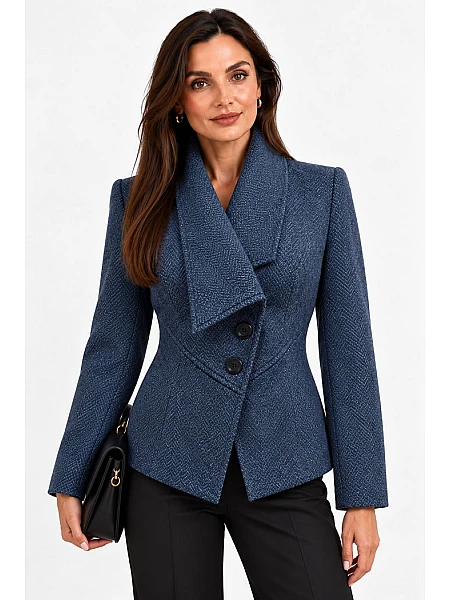
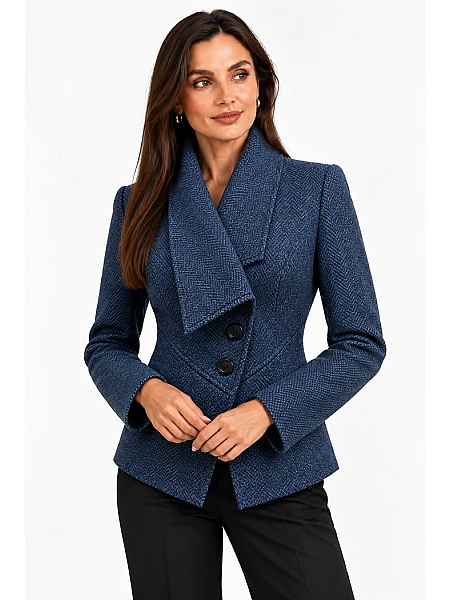
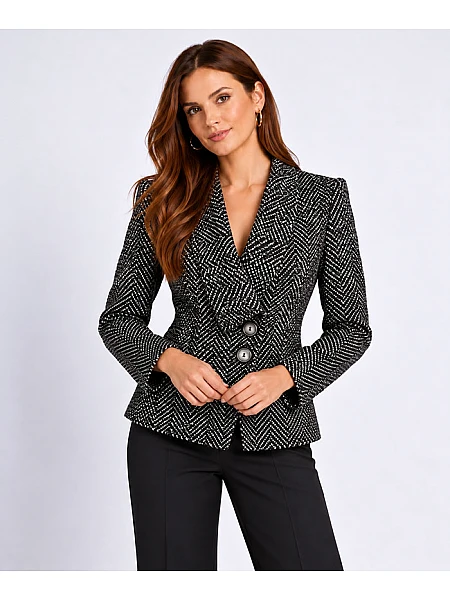
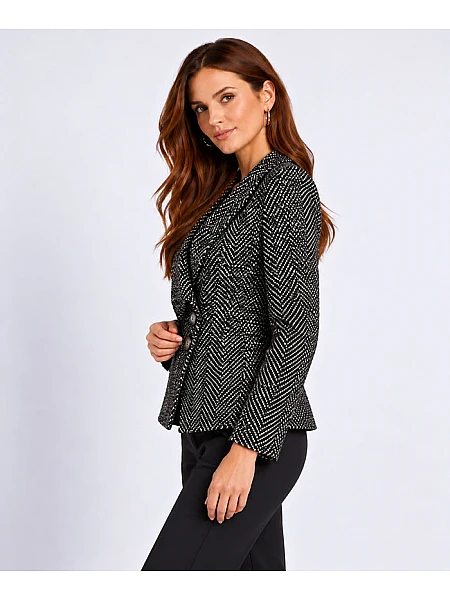
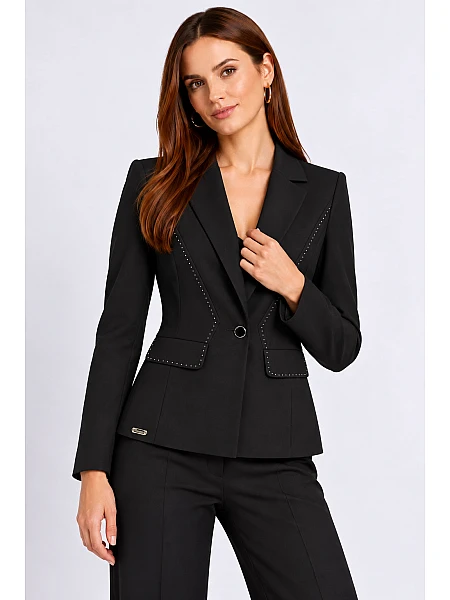
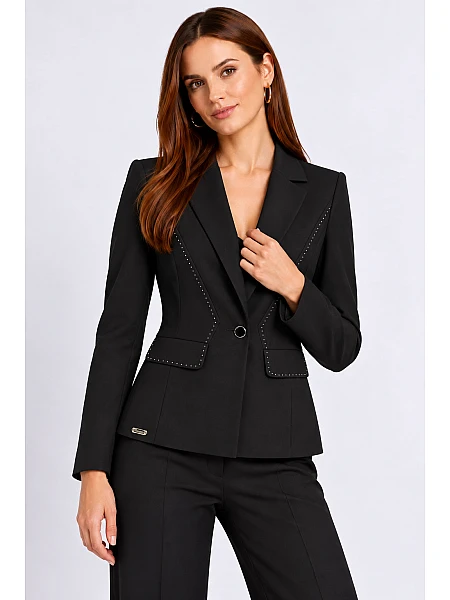
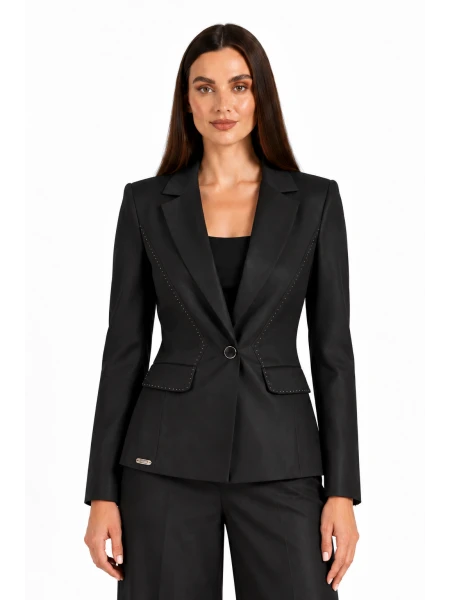
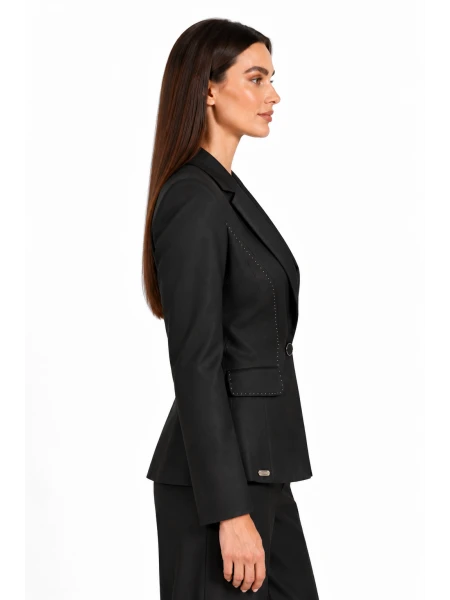
A well-chosen blazer can make an everyday outfit feel more deliberate and make formal dressing feel more modern. Current INISESS products include Tencel blazers, denim jackets, wool and checked styles, peplum jackets and different closure structures. That means a blazer should not be treated only as part of a business suit.
For the office, wear a blazer with straight or wide trousers and a simple shirt. For smart casual, pair it with denim. Over a dress, it defines the shoulder line and makes the silhouette feel more composed. For evening, a sleeveless top, trousers and a blazer can create a clean and confident look without excessive detail.
Shoulder placement, sleeve length and closure are the three most important fit points. If the shoulder drops too far and the design is not intentionally oversized, the jacket may look too large. If the front pulls around the bust or waist, both comfort and visual balance suffer. If you plan to layer knitwear underneath, allow enough room at the armhole and sleeve.
Women's trousers: rise, leg shape and fabric matter
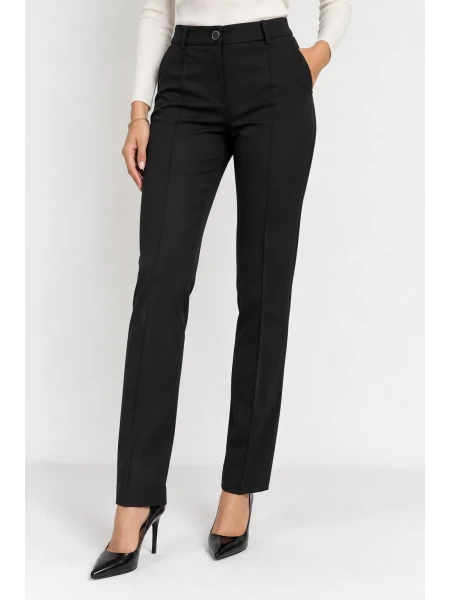
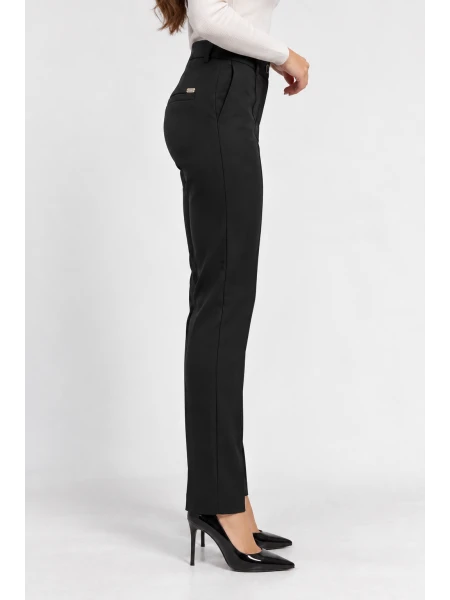
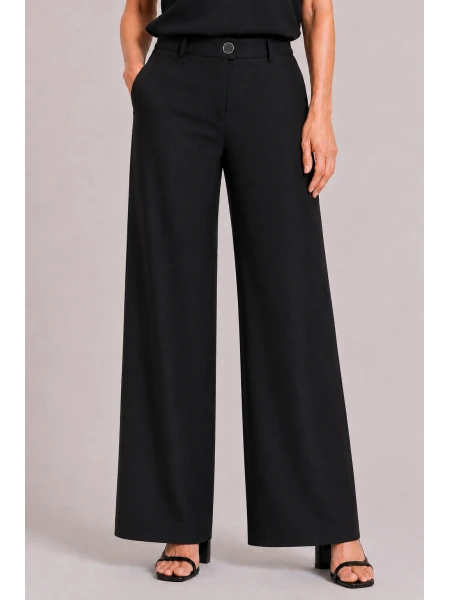
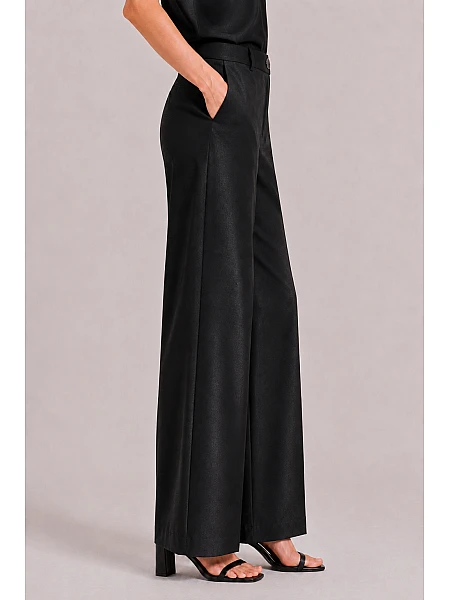
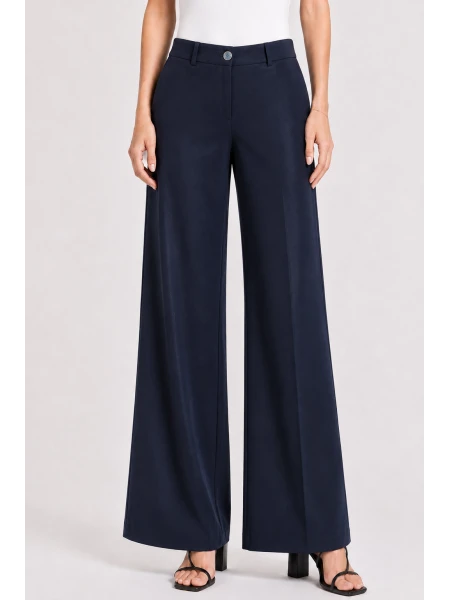
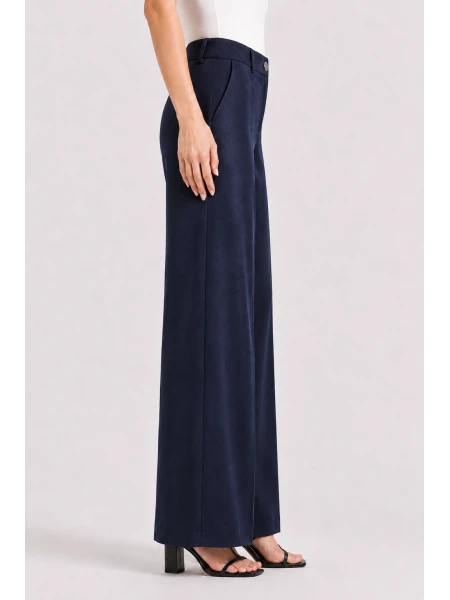
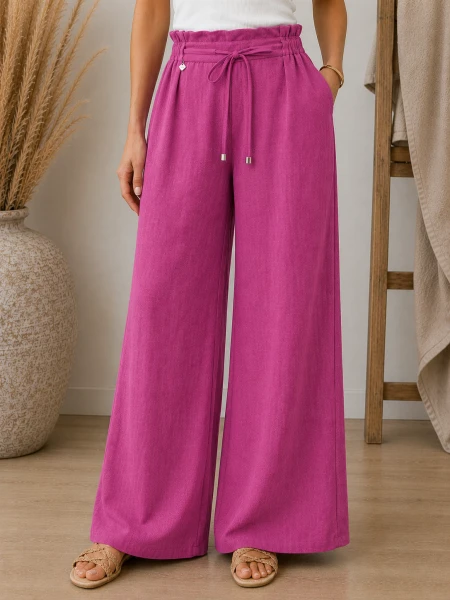
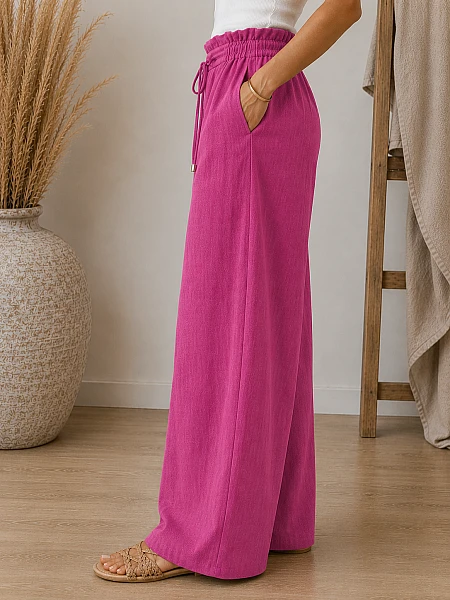
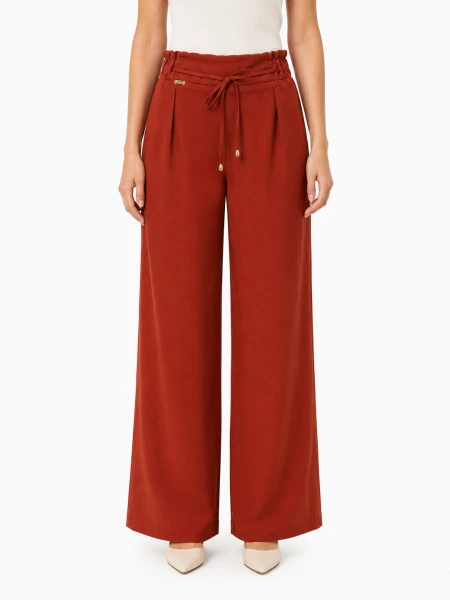
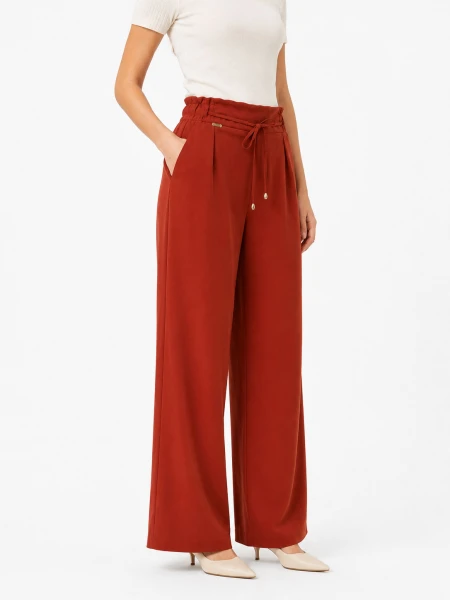
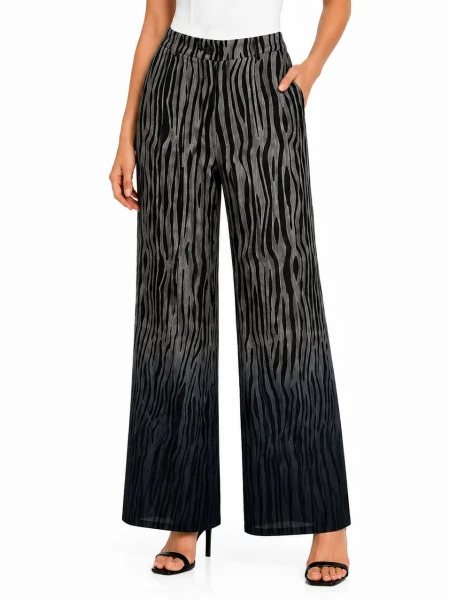
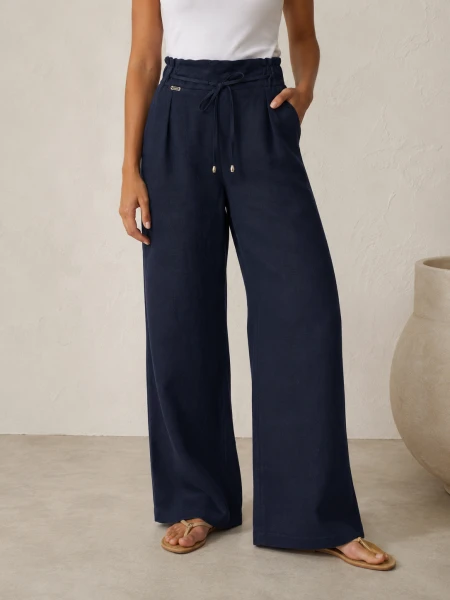
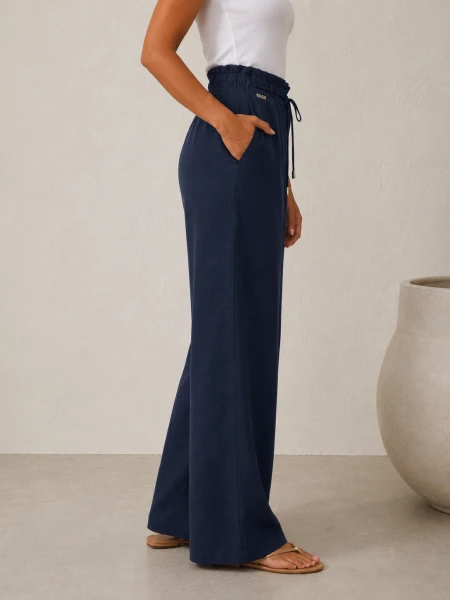
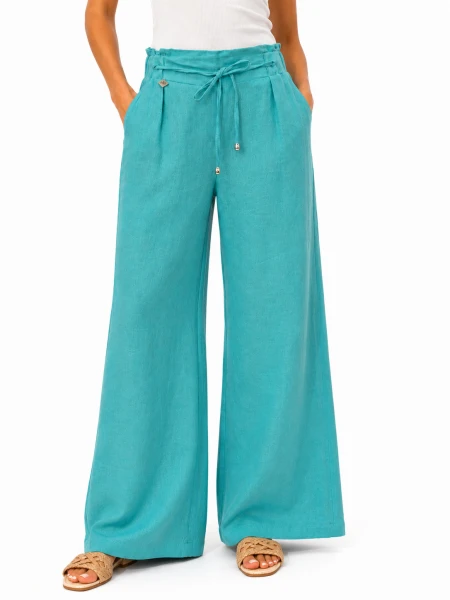
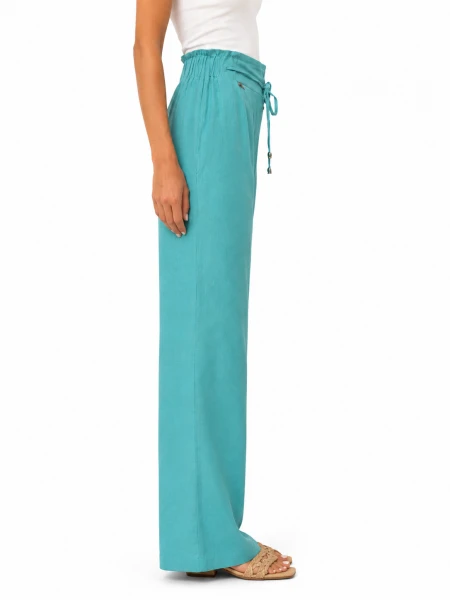
Trousers are one of the most frequently repeated garments in both professional and everyday wardrobes. Current styles include wide-leg Tencel trousers, linen and viscose summer trousers, cotton everyday options, straight-leg classics, cropped 7/8 and 9/10 lengths, wool trousers for colder weather and printed alternatives. For that reason, the question “which cut and fabric?” is often more useful than “which colour?”
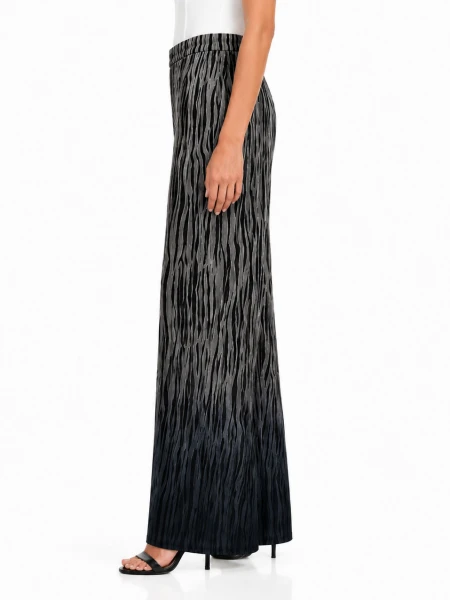
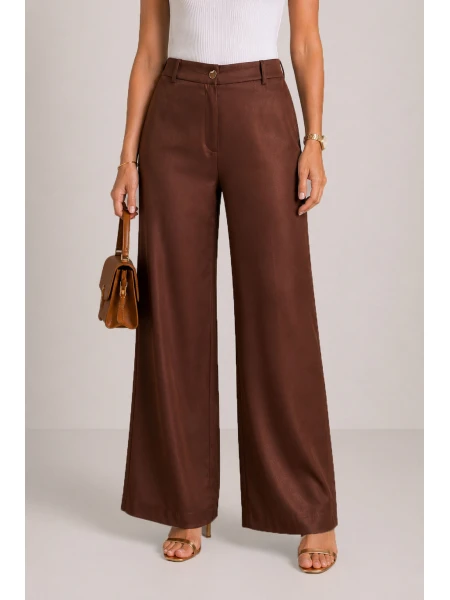
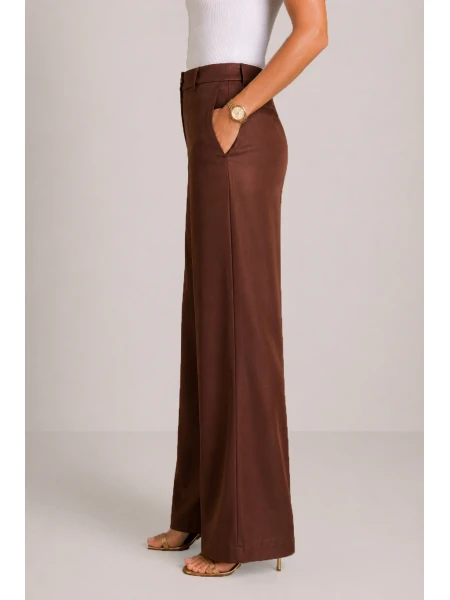
Wide-leg trousers can create a long, fluid line. A well-positioned waist helps balance the proportion between upper and lower body. Straight-leg trousers remain timeless and easy to reuse. Cropped 7/8 or 9/10 lengths reveal more of the shoe and ankle and can feel lighter. With long trousers, excessive fabric pooling over the shoe interrupts the clean line.
For the office, use straight or controlled wide-leg trousers with a blazer and shirt. For summer city dressing, linen, viscose or Tencel trousers can be paired with a lighter top and sandals. If the trouser has a strong print, a solid top usually keeps the outfit more balanced.
Jeans: from everyday dressing to smart casual
Jeans are not limited to weekend wear. With the right wash, cut and top layer, they can move from casual city dressing into smart-casual work environments. The INISESS denim selection includes straight-leg, wide-leg, stretch, cropped, Tencel-denim and quilted winter jeans.
When choosing jeans, consider rise, hip fit, the shape below the knee and fabric stretch together. Straight-leg denim is one of the most timeless options. Wide-leg denim creates a stronger fashion statement. Dark denim generally appears more polished, while lighter washes feel more relaxed.
For everyday use, pair jeans with a T-shirt or blouse and sneakers. For a more polished outfit, add a blazer, loafers or a refined shirt. If workplace dress codes allow it, dark clean denim with a blazer and simple footwear can work as a smart-casual office combination.
Shirts and blouses: the top half sets the mood
Changing the top is one of the easiest ways to refresh trousers and skirts you already own. Printed cotton blouses work well for everyday dressing. White or simple shirts adapt naturally to office and classic outfits. Tencel and viscose tops can create a softer, more fluid city look. Silk and satin styles can move into evening dressing, while denim shirts offer more structure.
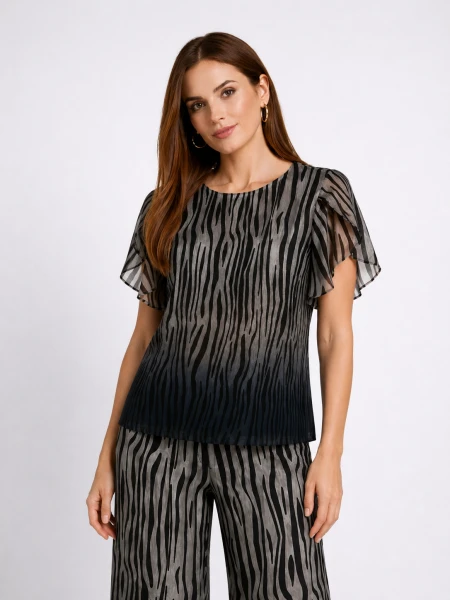
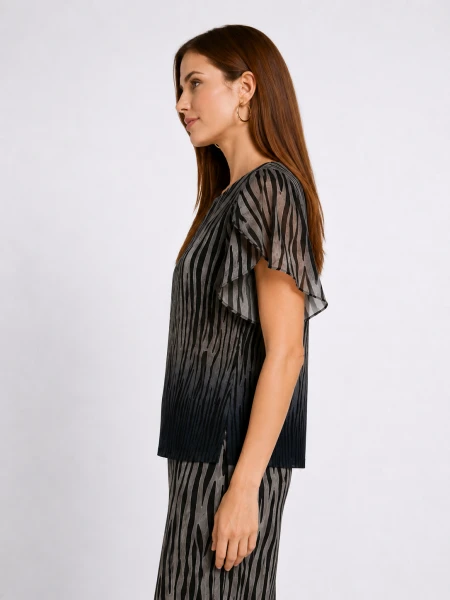
When the top is printed, keep the bottom simpler. A blouse with volume works well with a cleaner trouser or skirt. A more fitted or minimal top balances wide-leg trousers effectively. Tucking a shirt in can define the waist; leaving it out creates a more relaxed silhouette.
When choosing a blouse, do not look only at bust circumference. Shoulder ease, sleeve construction and finished length matter as well. The rise of the trouser or skirt changes what top length looks most balanced.
Skirts: straight, denim and more fluid silhouettes
The skirt assortment includes Tencel summer skirts, straight office shapes, short and long denim skirts, A-line silhouettes and styles with decorative buttons. Straight and knee-area skirts combine easily with shirts and blazers for work. Denim skirts can be styled casually with sneakers or loafers and moved into smart casual with a refined top.
An A-line shape allows more movement through the hip and creates a softer visual line. A straight skirt creates a cleaner, more classic silhouette. Higher waists can visually lengthen the leg. With midi lengths, check where the hem falls on the calf, because that point can strongly affect proportion.
If the skirt has print or decorative detail, let it lead the outfit and keep the top quieter. With a simple skirt, you have more freedom to use a stronger blouse, blazer, bag or shoe.
Women's suits and coordinated sets
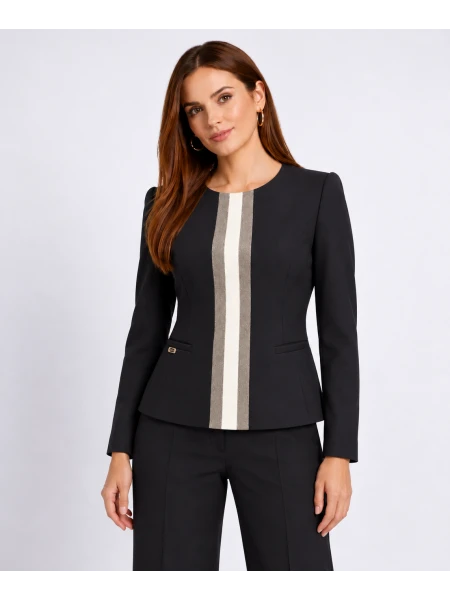
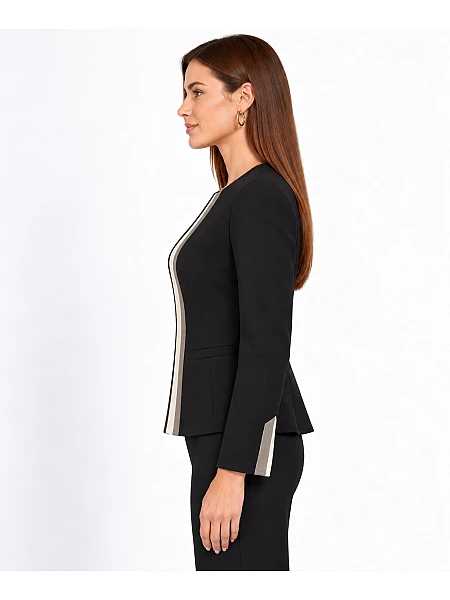
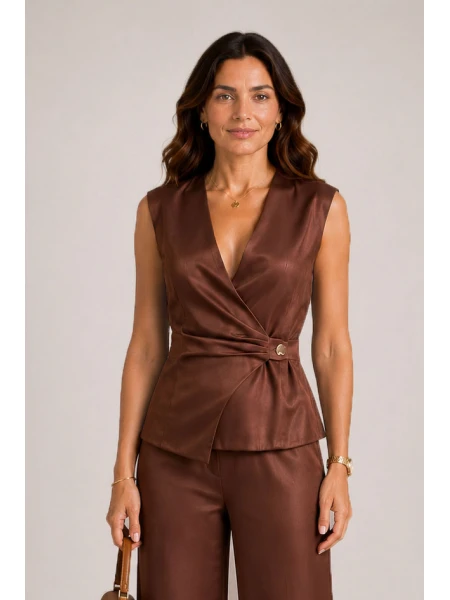
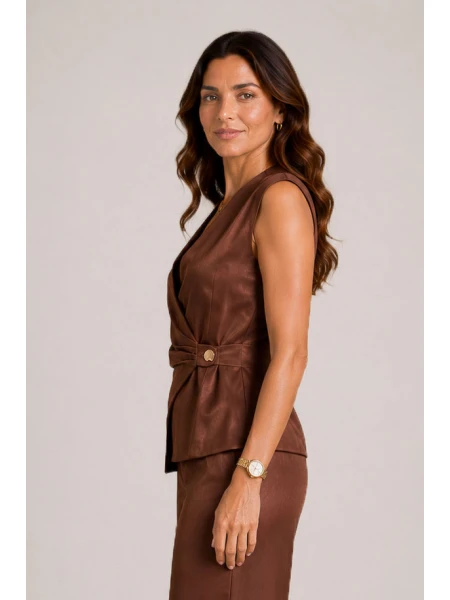
Modern women's tailoring goes beyond the traditional blazer-and-trouser suit. Current product families include Tencel blazer-and-trouser combinations, vest-and-wide-leg sets, blouse-and-trouser outfits, linen and viscose summer sets and coordinated denim looks. This moves suits beyond the office into events, dinners and smart-casual city dressing.
Blazer-and-trouser suits remain strong for work and meetings. Vest sets can offer a lighter alternative for summer weddings, cocktails and city evenings. Printed viscose sets feel more fashion-led. Denim sets work naturally in casual and smart-casual wardrobes.
The most important value of a set is often the ability to separate the pieces. A blazer can move into denim, the trousers can be paired with another blouse and a vest can work with a skirt or jeans. Check the fit of both halves independently. A perfectly fitting jacket cannot compensate for incorrectly fitting trousers.
Jumpsuits: a modern alternative to the dress
A jumpsuit joins the top and bottom into one continuous silhouette and is a strong option for shoppers who want something other than a dress. Structured, solid-colour or more formal jumpsuits can work for dinners, events and celebrations, while lighter or printed styles can move into city and holiday wear.
Torso length matters as much as bust, waist and hip. The waist seam should sit naturally and the garment should not pull through the body when you sit or walk. Finished leg length should be checked together with footwear, especially in wide-leg jumpsuits.
A solid jumpsuit can be styled with a stronger bag, jewellery or shoe. With print, accessories can stay quieter. Adding a blazer makes the look more formal; a denim jacket relaxes it.
Outerwear: choose for real conditions, not only appearance
Outerwear should be selected for weather, layering and movement as well as style. The INISESS product tree includes coats, jackets, denim outer layers, wool pieces, hooded products and lighter transitional layers.
Short jackets can work well with high-waisted trousers and skirts. Longer coats create a stronger vertical line over dresses, suits and monochrome outfits. Denim and lighter jackets are useful in spring and autumn, while wool, quilted and denser fabrics become more relevant in colder weather.
If you plan to wear a blazer, knitwear or a thick blouse underneath, allow enough room through the shoulder and sleeve. Technical claims such as waterproofing or protective performance should only be trusted when they are explicitly stated on the individual product page. Appearance alone does not prove technical performance.
Tencel, linen, viscose, cotton, denim and wool: which fabric when?
Fabric choice depends on season, use and the silhouette you want. Tencel can create a softer or more fluid feel depending on the construction, while still appearing in structured trousers and tailoring. Linen supports a natural, relaxed warm-weather look. Viscose often appears in fluid summer pieces and prints. Cotton is practical for everyday blouses, sets and easy garments.
Denim can work across several seasons depending on weight and blend. Tencel denim may have a softer hand and drape, while traditional denim can feel more structured. Wool blends and knitwear become more valuable in cooler and cold seasons.
Do not infer fibre percentages from the category name or product title. Always check the actual composition, elastane content, lining and care instructions on the individual product page.
How to build a spring-summer wardrobe
For warm weather, reduce fabric density, keep movement comfortable and make layers easy to remove. Linen or viscose wide-leg trousers, a cotton or Tencel blouse, a light blazer, a denim jacket and a few dresses can form a strong spring-summer base.
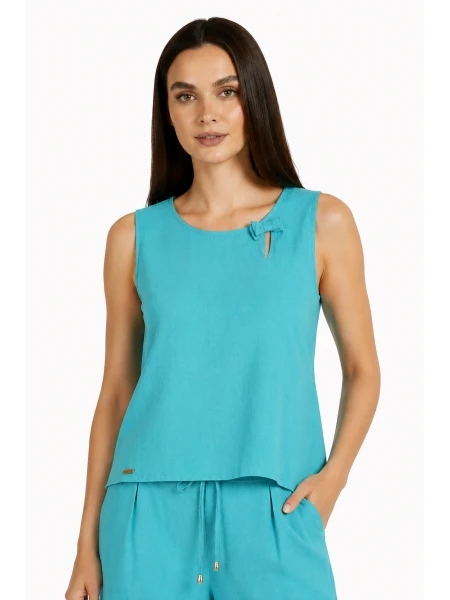
Monochrome sets are useful because they create an outfit quickly, and the pieces can later be separated. Turquoise, terracotta, white, beige and lighter colours can be anchored with neutrals. In summer, allowing fabric and colour to lead the outfit often feels fresher than using many heavy accessories.
You can build small capsules around real activities: a light blazer and wide trousers for work, denim and a printed blouse for weekends, a linen or viscose set for travel, and a dress for dinners or events.
How to build a more balanced autumn-winter wardrobe
Cold-weather dressing is not only about wearing thicker pieces. Good layering matters. Wool trousers, knitwear, blazers, quilted jeans and coats can increase warmth, but the silhouette should not become unnecessarily heavy.
If a long coat is worn with wide trousers, keep upper layers more controlled. If you wear knitwear under a blazer and a coat over both, every layer needs enough shoulder and sleeve room. An outer layer that is too tight compresses the layers beneath and reduces both comfort and visual quality.
Black, grey, navy, brown and beige create an easy winter foundation. One stronger blouse in burgundy, green or print can bring energy into a neutral wardrobe.
Modern office dressing for women
Office wear no longer has to mean only a black suit and white shirt. Tencel wide-leg trousers with a simple blouse and blazer, navy trousers with a white shirt, a straight skirt with a softer top or dark jeans with a blazer—when dress codes allow—can all maintain professionalism while feeling more contemporary.
For office clothing, evaluate more than appearance. Sitting comfort, transparency, hem length, movement, wrinkling and care requirements matter across a full workday. A beautiful garment that becomes uncomfortable after two hours is less useful in a professional wardrobe.
INISESS editorial content from earlier years also contains timeless ideas about classic wardrobes, white shirts, blazers and office denim. Those principles can still be useful when separated from old date-specific trend claims. The goal is to carry forward durable styling logic, not to present historical forecasts as current fashion.
Smart casual: balancing relaxed and polished pieces
Smart casual women's clothing is built around contrast between relaxed and structured pieces. Jeans with a blazer and simple T-shirt, wide trousers with a blouse and loafers, a denim skirt with a shirt, or Tencel trousers with sneakers and a blazer are all examples.
The idea is not to look fully formal or fully sporty. One structured piece can refine a casual base. A blazer sharpens denim. Sneakers relax tailored trousers. A denim jacket makes a clean dress more casual.
Keeping the colour palette controlled, footwear clean and fit precise often makes smart-casual outfits look more considered and expensive without relying on many statement pieces.
Occasion dressing beyond the dress
Dresses are a natural occasion choice, but they are not the only option. A vest-and-trouser set, monochrome women's suit, Tencel blazer-and-trouser combination or stronger two-piece printed set can provide a modern alternative. Being able to wear the pieces separately later increases the wardrobe value of occasion purchases.
Lace, chiffon, satin and jacquard naturally create more decorative evening effects. But rather than stacking several shiny, printed or voluminous elements in the same outfit, choose one main focus and let the rest support it.
The event type, venue, time and dress code should guide the final choice. A light daytime ceremony and a formal evening dinner do not require the same styling, even if the base outfit is similar.
How to balance colour and print
A functional wardrobe does not have to be completely neutral. Black, navy, beige, cream, white, brown and grey make combinations easier, while turquoise, terracotta, green, pink, blue and stronger prints can add personality.
With a printed blouse, a solid bottom creates easy balance. With printed trousers, keep the top calmer. In a monochrome suit, use different textures to create depth. A matte trouser, structured blazer and one metallic accessory can create enough variation within a single colour.
Colour choice should also consider the rest of your wardrobe. A beautiful colour that works with nothing you already own may be worn far less often than a slightly quieter shade that creates five combinations.
Fit and body proportion: use the garment to create balance, not rules
Fashion does not need a rigid list of “allowed” garments for different body shapes. A more useful approach is to understand proportion. If the lower half is intentionally wide, a cleaner or more defined top can create balance. If the blazer is long and oversized, a straighter trouser or more visible waistline may help keep the silhouette controlled. If the top has volume through sleeves or shoulders, a simpler bottom can stop the look from becoming visually heavy.
Length matters just as much as width. A cropped jacket changes the perceived position of the waist; a long blazer extends the torso; a high-rise trouser can visually lengthen the leg; a midi skirt changes proportion depending on where it meets the calf. None of these effects are universal rules, but they are useful tools when trying on clothing.
The goal is not to hide the body or follow prescriptive “figure correction” language. The goal is to choose the balance you personally like and make sure the garment fits comfortably enough to move through real life.
Capsule dressing without making the wardrobe boring
A capsule wardrobe does not mean owning only beige, black and white. It means having a core of pieces that connect. You can build the foundation with neutral trousers, jeans, one blazer and simple tops, then introduce personality through a turquoise trouser, printed blouse, textured jacket or stronger dress.
One useful method is to choose two or three base colours and one or two accent colours. If black, navy and cream form the base, a terracotta blouse and patterned skirt can add energy without creating a completely separate wardrobe. If beige, white and denim are your base, green, pink or brown accents can work across several outfits.
Sets are particularly useful in a capsule system because the two pieces create a ready outfit and also separate into other combinations. A vest set, Tencel suit or denim co-ord can therefore perform the job of several individual purchases when chosen carefully.
Women's clothing for travel and a smaller suitcase
Travel rewards garments that are easy to combine and easy to repeat. Neutral trousers, one pair of jeans, a blazer, two or three tops and one dress can create multiple day-to-evening combinations. A two-piece set adds another complete outfit while both pieces can also work separately.
Think about shoes before packing clothing. A trouser that only works with one heel height may be less practical than a length that also works with loafers or clean sneakers. A blazer that works over both a blouse and a dress has more value than a very specific evening jacket.
Fabric behaviour matters too. Consider wrinkling, care needs, how much volume a garment takes in the suitcase and whether it remains comfortable after several hours. Travel style is not only about creating photographs; it should support walking, sitting, transport and changing temperatures.
Care and wardrobe longevity
Clothing becomes more valuable when it stays in good condition and continues to fit the way it was designed. Always follow the care information on the specific product rather than applying one general method to every Tencel, linen, viscose or wool garment. Fibre blends and construction can change care requirements.
Give jackets and blazers enough space on appropriate hangers so shoulders keep their shape. Store knitwear in a way that does not unnecessarily stretch it. Avoid hanging very heavy knit garments for long periods if the weight may distort them. Let outerwear dry properly after damp weather before storing it in a closed wardrobe.
Rotating frequently worn trousers and blazers can also help preserve shape. Simple maintenance—removing surface lint, treating small marks promptly and storing garments clean—often extends useful life more effectively than constantly replacing basic pieces.
Trend pieces versus timeless pieces
A strong wardrobe benefits from both. Timeless pieces provide the structure: straight trousers, a good blazer, jeans, a clean shirt, a useful dress and seasonally appropriate outerwear. Trend-led pieces add freshness: a particular wide-leg proportion, a strong seasonal colour, a printed set or a new denim treatment.
The balance depends on personality and lifestyle. Someone who enjoys fashion experimentation may give more space to expressive pieces. Someone who prefers consistency may use trends only through one or two seasonal updates. Neither approach is inherently better.
A useful test is to ask whether the trend piece can still be styled when the initial excitement fades. If a patterned trouser works with several simple tops or a seasonal blazer works with existing jeans and dresses, it is less likely to become a one-season item.
How to choose women's clothing size online
Do not rely only on the size label. Compare actual garment measurements with your body measurements and consider fabric stretch. For trousers, waist, hip, rise and length matter. For blazers, check shoulder, bust and sleeve. For dresses, compare bust, waist, hip and finished length. For blouses, bust and shoulder ease are important. For jumpsuits, add torso length to the list.
Elastane may increase comfort but cannot rescue the wrong size. An oversized design is meant to look relaxed, but shoulder and sleeve proportions should still make sense for the pattern.
If you are between sizes, use the product's own measurements and fabric information rather than a general size label alone. When in doubt, the widest relevant body measurement often deserves priority for movement comfort.
Seven questions to ask before buying
1. Where will I wear it? Work, everyday, travel, events or weekends?
2. Is the fabric right for me? Does it suit the season, care routine and lifestyle?
3. Is the fit right? Have I compared actual measurements?
4. Which three things do I already own that work with it?
5. Which shoes will I use? Especially important for trouser and skirt length.
6. Can the piece move between settings? A strong advantage for blazers, trousers and sets.
7. Does the care requirement fit real life? Frequently worn clothing should be practical enough to maintain.
Category navigation and silo authority
Women's Clothing is the topic hub for the main garment categories. From here, shoppers can move into Dresses, Blazers, Trousers, Jeans and Shirts & Blouses based on a more specific need. The main page answers broad women's fashion intent, while subcategories deepen product-type intent such as women's blazer, wide-leg trouser, women's jeans or women's blouse.
This structure prevents every page from trying to rank for the same subject. The main category should introduce the wardrobe and guide the shopper; the subcategories should provide deeper selection information. That creates a clearer architecture for customers, search engines and AI-assisted discovery systems.
Frequently Asked Questions
What products are included in INISESS Women's Clothing?
The structure includes dresses, blazers, skirts, women's suits, trousers, jeans, shirts and blouses, jumpsuits, outerwear, coordinated sets and selected special subcategories. Product relationships and stock can change over time.
What are the most useful women's wardrobe basics?
It depends on lifestyle, but a well-fitting trouser, blazer, jeans, several tops, one useful dress and seasonally appropriate outerwear create a strong base for many wardrobes.
Which products work well for office dressing?
Blazers, straight or controlled wide-leg trousers, simple shirts and blouses, straight skirts and clean dresses are easy foundations. Always consider your workplace dress code.
Who can wear wide-leg trousers?
They can work across many body proportions when rise, length and upper-body balance are chosen correctly. Correct trouser length is especially important.
When can Tencel garments be worn?
It depends on the blend, density and design. Lighter Tencel can suit warm weather; more structured or layerable styles can work in transition seasons.
Is linen only for summer?
It is most strongly associated with warm weather, but blend, density and garment construction influence when it can be worn.
Can jeans be worn to the office?
If the workplace dress code allows, dark clean denim with a blazer, shirt and polished footwear can work as smart-casual office wear.
Does a blazer have to be worn with matching trousers?
No. It can be paired with jeans, straight trousers, skirts, dresses and bottoms in different fabrics. Versatility is one of a blazer's greatest strengths.
How can I get more use from a suit?
Wear the blazer and trousers separately. Pair the jacket with denim or a dress and the trousers with different shirts and blouses.
How should I style a printed garment?
Let the print lead and keep the remaining pieces quieter. Too many prints, bright accessories and strong contrasts at once can make the outfit feel busy.
Which measurements matter most when shopping online?
It depends on the garment. For trousers: waist, hip and length; blazers: shoulder, bust and sleeve; dresses: bust, waist, hip and length; jumpsuits: torso length as well.
Do I need to replace my whole wardrobe for a new season?
No. One blazer, trouser, blouse or set that works with existing basics can refresh the wardrobe effectively.
What does smart casual women's clothing mean?
It balances relaxed and polished pieces, such as jeans with a blazer, wide trousers with a simple blouse or a dress with a denim jacket.
What can I wear to an event instead of a dress?
A vest-and-trouser set, monochrome suit, Tencel blazer-and-trouser combination or polished two-piece set can all work as modern alternatives.
Why should I check the fabric composition separately?
The same fabric name can appear in different blends. Elastane, polyester, cotton and other fibres influence drape, stretch, care and comfort.