Women Blazers 2026 – Tencel, Denim, Double-Breasted, Peplum, Wool and Statement Jackets
INISESS Women Blazers brings together a wide active range of tailoring, denim and outer layers. The guide below explains the real products, fit, fabric, season, styling, care and buying logic in depth.
Category overview
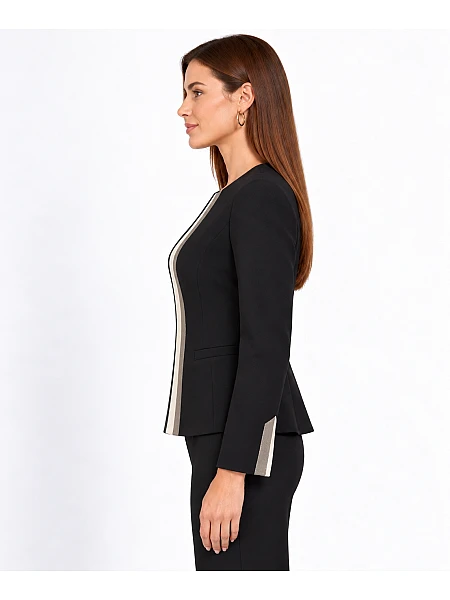
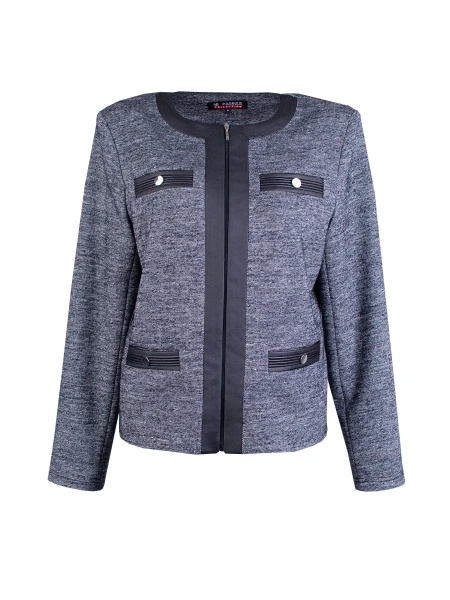
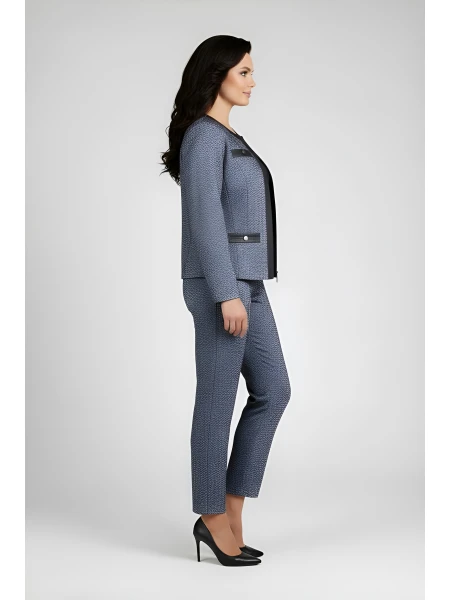
INISESS Women Blazers covers much more than a single office-jacket idea. The active range includes black Tencel blazers, single-button and double-breasted jackets, fine stripes, lace and decorative pieces, boucle textures, peplum shapes, wool and checked jackets, Tencel denim jackets, quilted vests and sportier outer layers. This guide is based on the real product family and explains fit, fabric, season, use and styling rather than treating every jacket as the same product.
What is actually inside the category?
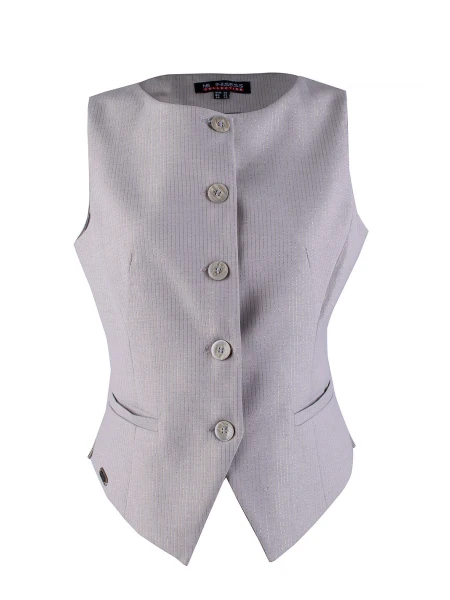
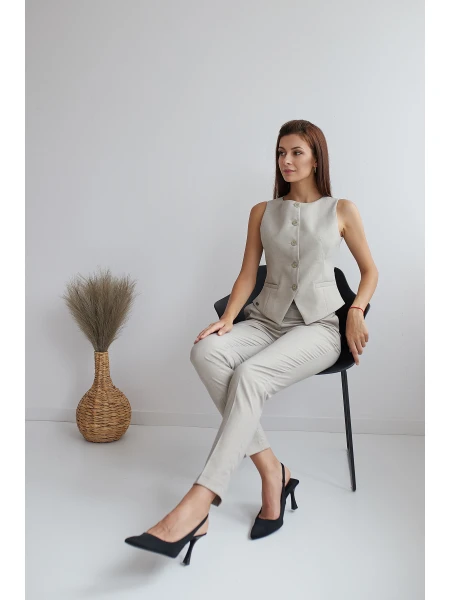
The live category includes current 2026 Tencel jackets, a fine-striped single-button blazer, a Tencel denim jacket and coordinated vest options. The 2025 assortment adds quilted denim, hooded waterproof jackets, a grey melange wool jacket, embroidered lace, lightweight Tencel denim and patterned jackets. Older active seasons include checked double-breasted wool, boucle, pastel pattern, leather-detail and classic tailoring. The category therefore covers structured tailoring, smart-casual jackets, denim layers and selected outerwear rather than one narrow blazer silhouette.
Start with real use, not colour
Choosing a blazer begins with where you expect to wear it: office, city, everyday use, travel, dinner, event or transitional weather. After that, compare shoulder line, bust closure, waist shape, sleeve length, overall jacket length, fabric density, lining and the layers you plan to wear underneath. This order is more useful than choosing from photography alone because a jacket can look attractive on a model yet become difficult to repeat in real life if fit, care or styling needs do not match your wardrobe.
Why Tencel blazers matter
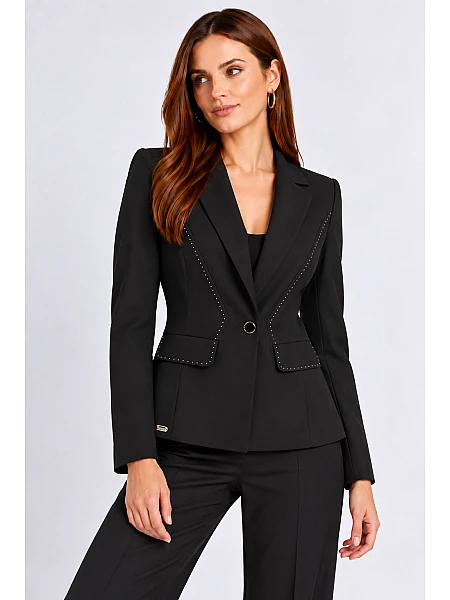
Tencel tailoring and Tencel denim are visible across the current INISESS range. Depending on blend and construction, Tencel may give a softer or more fluid tailoring line than a rigid traditional fabric. Exact fibre percentages must still be verified on the individual product page. A black Tencel blazer can work with matching trousers as a suit, with denim for smart casual, over a dress for structure or with a skirt for office dressing. That flexibility is one reason it can work well in a capsule wardrobe.
How to style a black Tencel blazer
A black Tencel blazer can look classic with a white shirt and black trousers, more relaxed with blue jeans and a plain T-shirt, and more structured over a clean dress for dinner or city wear. Useful related live categories include Women Trousers , Women Jeans and Women Dresses . Black is easy to combine, but cut, texture and detail still determine how formal the jacket feels.
Double-breasted blazers
A double-breasted blazer gives a stronger tailoring statement across the front. Because the fabric overlaps through bust and waist, sizing can be more sensitive than with a single-button style. Even if you plan to wear the jacket open, it should close without strong diagonal pulling, stressed buttons or uneven front edges. Checked and striped double-breasted styles also reward attention to pattern alignment. Straight trousers, wide-leg trousers, clean denim and simple skirts are natural partners because they allow the jacket structure to remain clear.
Single-button blazers
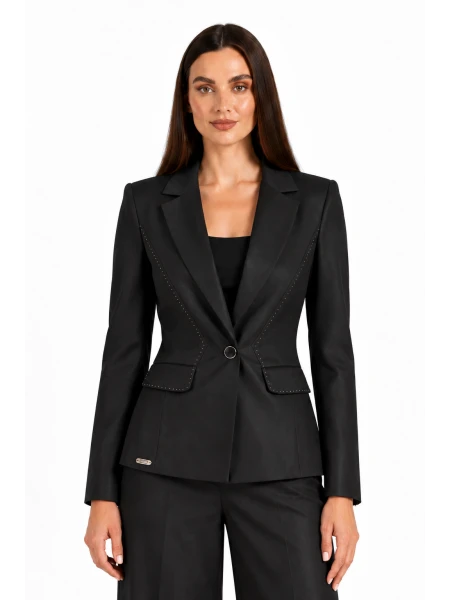
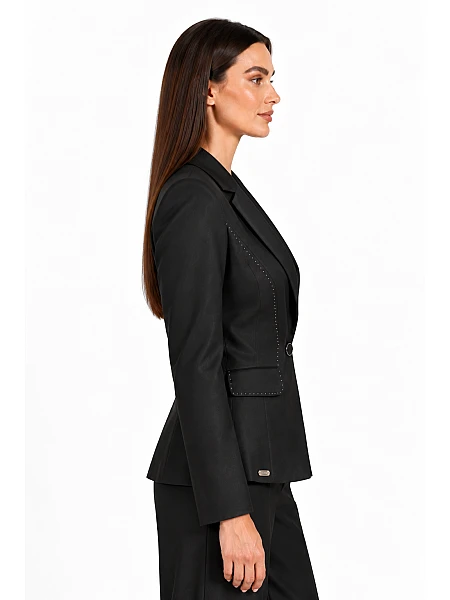
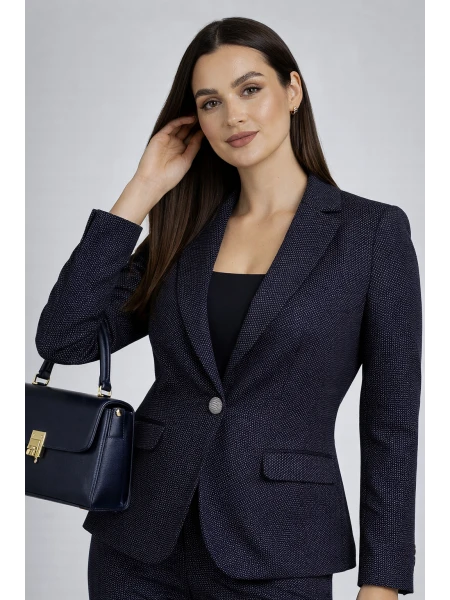
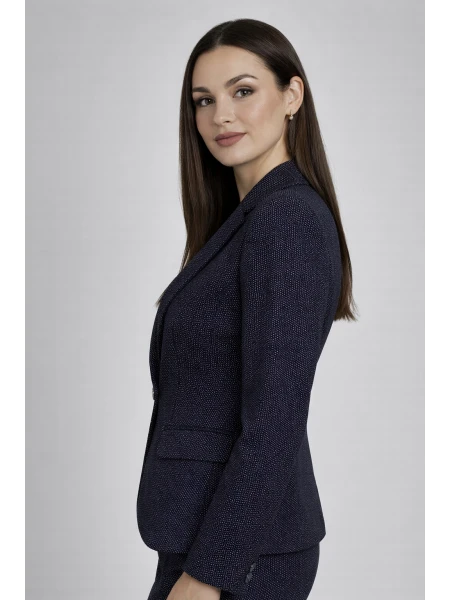
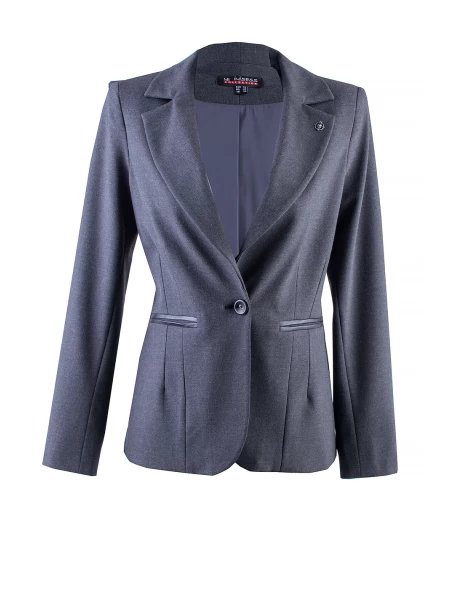
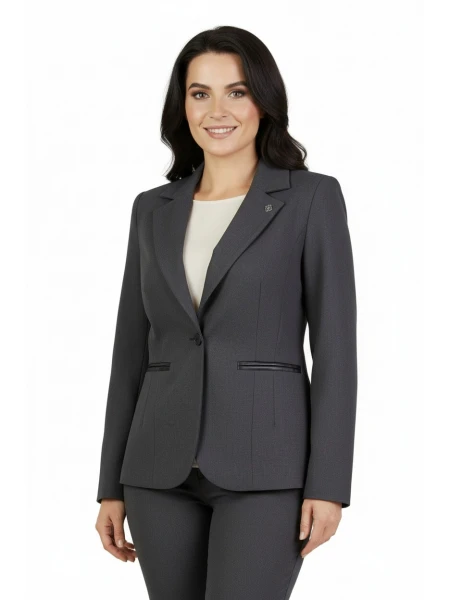
Single-button jackets give a cleaner and more minimal front line. The position of the button can influence where the waist appears and how the jacket works with higher-rise trousers or skirts. A single-button blazer can feel polished with tailored trousers, relaxed with denim, classic with a skirt and elegant over a dress. When buttoned, the front should not spread sharply or show obvious stress lines. The button position should support the intended silhouette rather than forcing the jacket to pull around the torso.
Fine-striped jackets
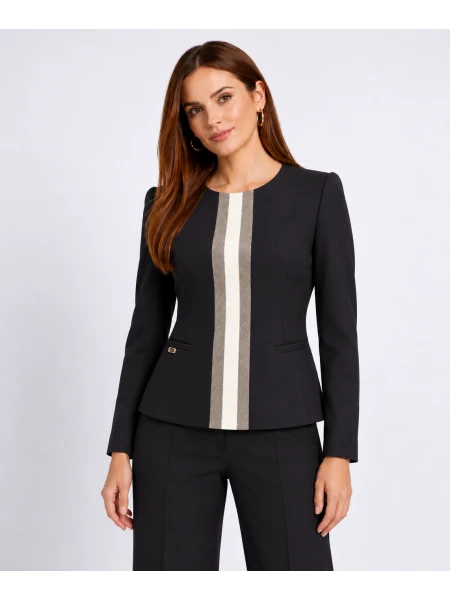
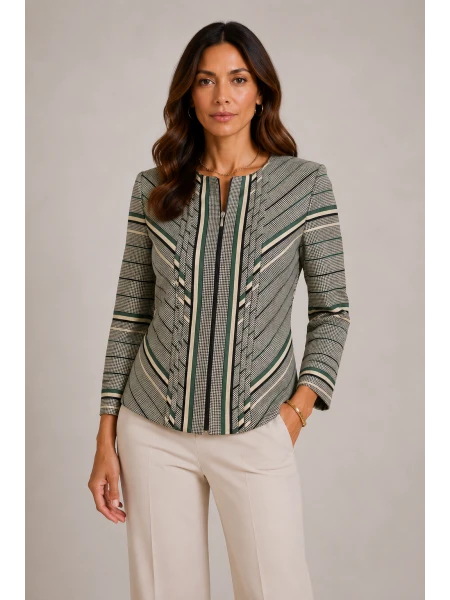
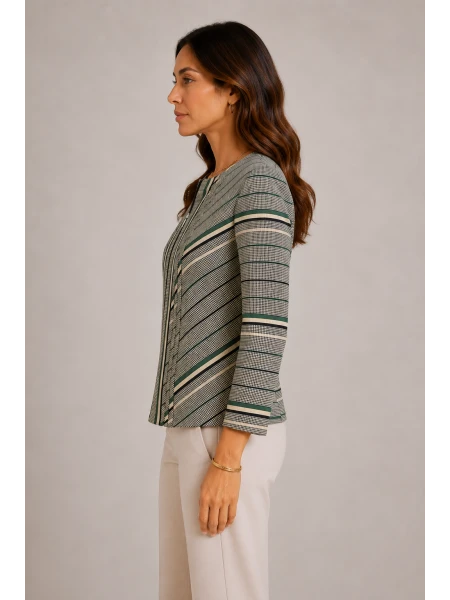
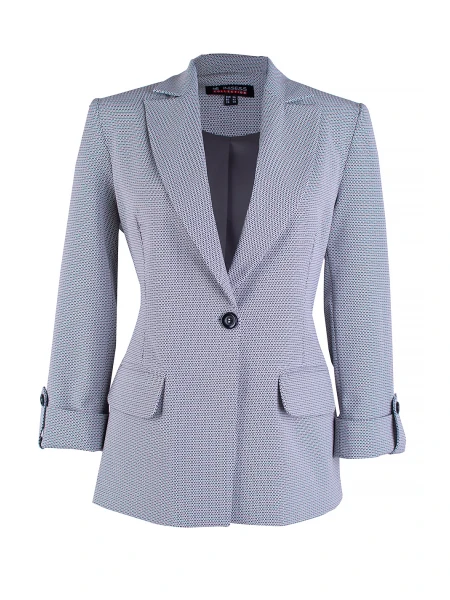
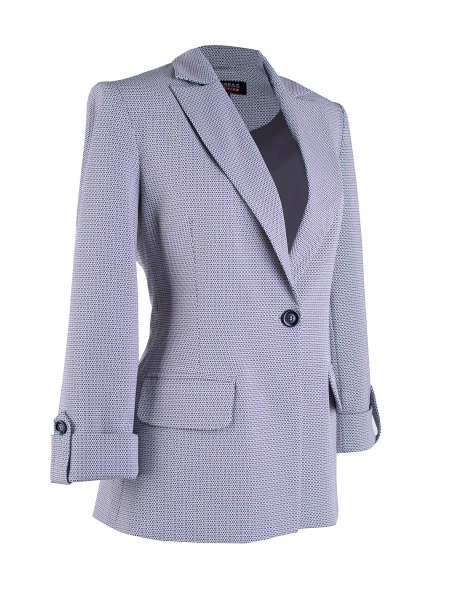
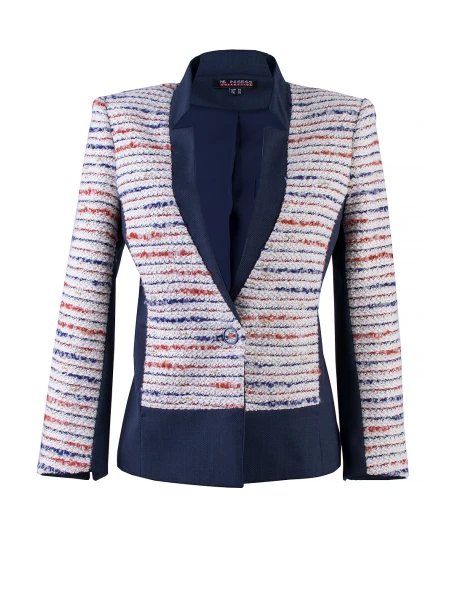
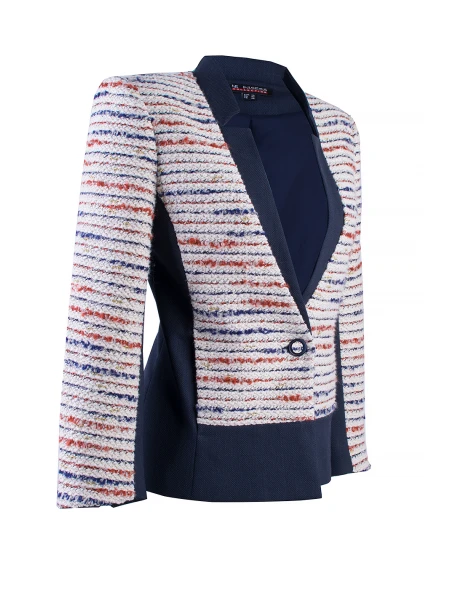
Fine stripes reinforce the tailoring language of a blazer without making the outfit heavy. A striped jacket is usually easiest to style with solid trousers, plain denim or a single-colour skirt so the line remains the main pattern. White, navy, grey and denim tones are reliable partners. For a more fashion-led result, one quieter colour from the stripe can be repeated in footwear or a bag. If another pattern is added, keep scale and colour relationships controlled so the outfit still has one clear visual focus.
Boucle jackets
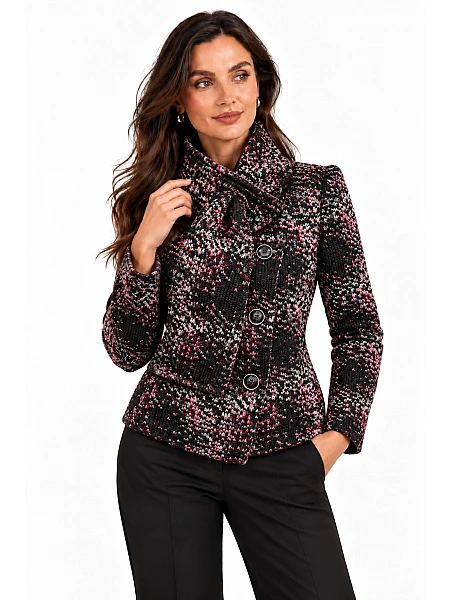
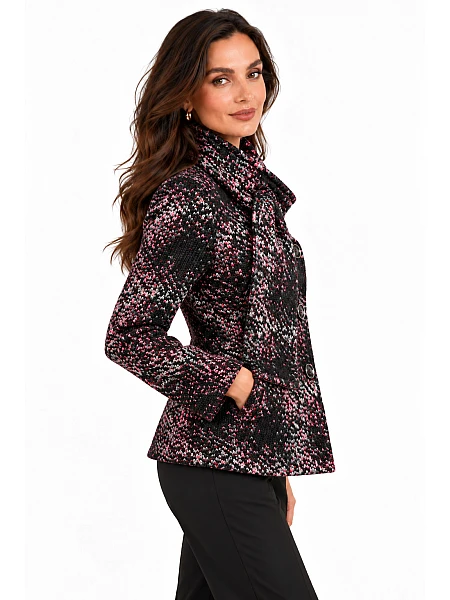
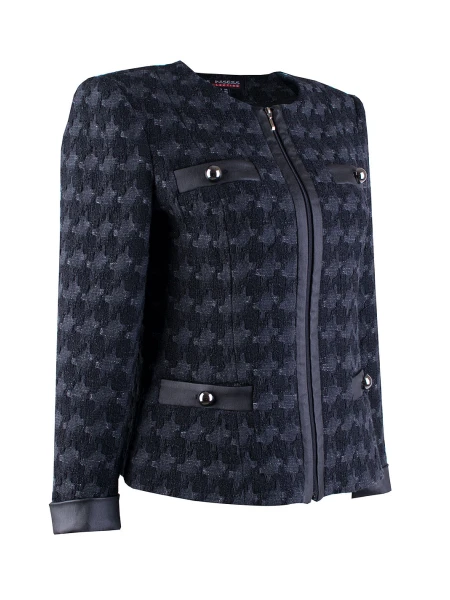
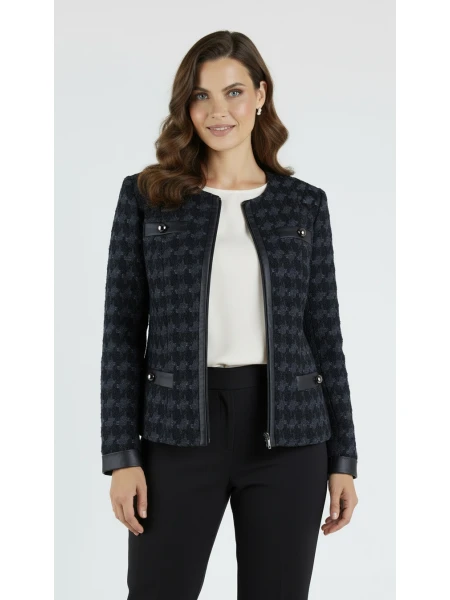
Boucle adds texture and a more refined character than standard flat tailoring. Round necklines and decorative buttons can increase that effect. Because the surface already carries visual interest, simple trousers, clean jeans, pencil skirts and plain dresses are useful partners. Metal buttons can be echoed in jewellery, although exact matching is not necessary. Boucle surfaces can also be more vulnerable to chains, sharp jewellery and rough surfaces, so both styling and storage should consider the physical texture of the jacket.
Peplum jackets
Peplum jackets define the waist and add controlled volume below it. The point where the peplum begins should relate well to the natural waist. Straight trousers, cleaner denim and pencil skirts usually balance the silhouette well. Wide-leg trousers can also work if the total volume feels intentional. A low-stock grey peplum jacket in the category shows how this shape can move between office, city and occasion styling depending on footwear and the pieces worn underneath.
Lace and embroidered jackets
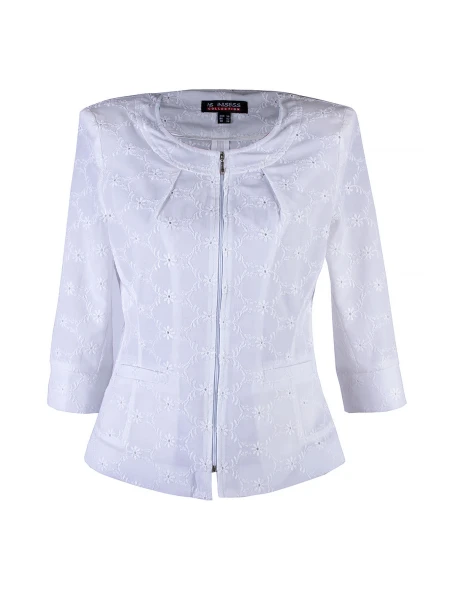
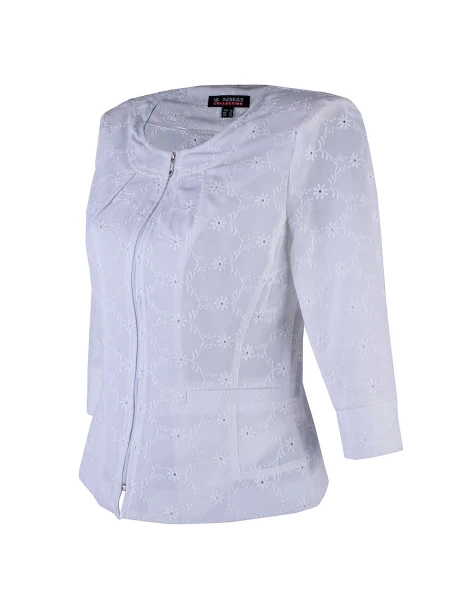
Embroidered white lace and other decorative jackets bring a more romantic and occasion-led direction to the category. Lace, embroidery and surface detail already carry visual weight, so highly patterned tops, bright bags and heavy jewellery are not always necessary. Plain trousers, simple skirts and clean dresses give the jacket more space to stand out. The exact fabric composition, lining and care method should still be verified on each product page because decorative surfaces can require more careful handling.
Wool and checked jackets
Grey melange wool and grey-blue checked double-breasted jackets represent the more structured autumn-winter side of the category. A checked blazer is easy to balance with plain trousers, denim or a clean skirt. One colour from the check can be repeated in a blouse, bag or shoe for cohesion. Wool percentage, lining and care should always be verified on the product page because a wool look and verified wool content are not the same thing.
Denim and Tencel denim jackets
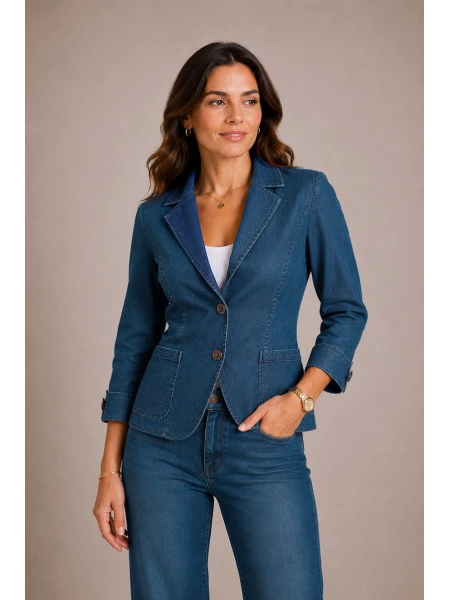
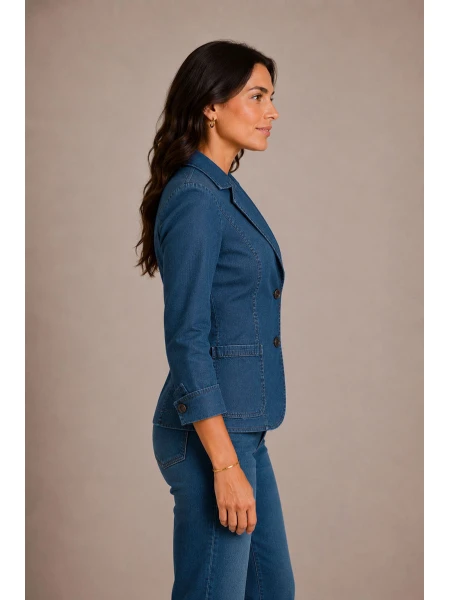
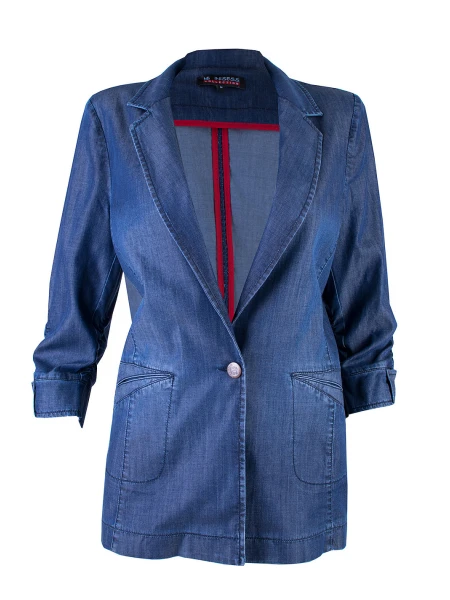
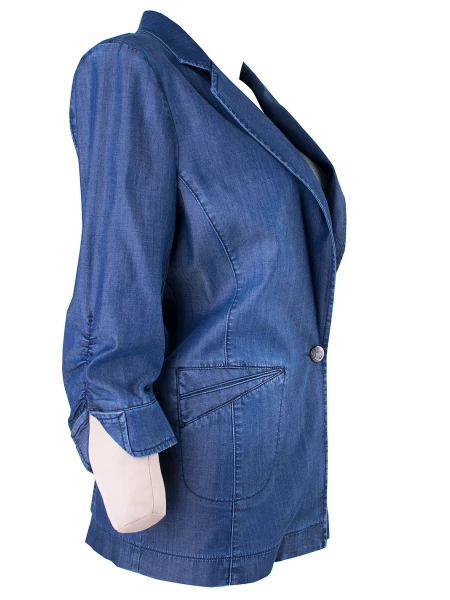
Tencel denim jackets, lightweight denim and spring jean jackets form the more relaxed side of the category. Denim can reduce the formality of a dress, work with white or black trousers for a city look, or pair with jeans for double denim. When combining denim with denim, either deliberately coordinate close washes or use a clear contrast. The live Women Dresses and Women Jeans categories are natural related destinations.
Quilted denim vests
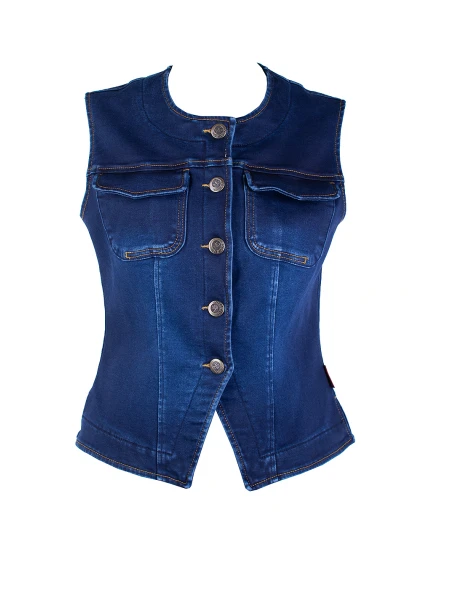
A quilted denim vest is less formal than a classic blazer and works mainly as a layering piece. It can sit over a shirt, fine knit or simple sweatshirt in transitional weather. Armhole shape and shoulder width matter because the layer underneath needs room to move. Quilting may increase warmth, but actual thermal performance should not be assumed from appearance alone. The product page remains the source for verified construction and material details.
Hooded and waterproof jackets
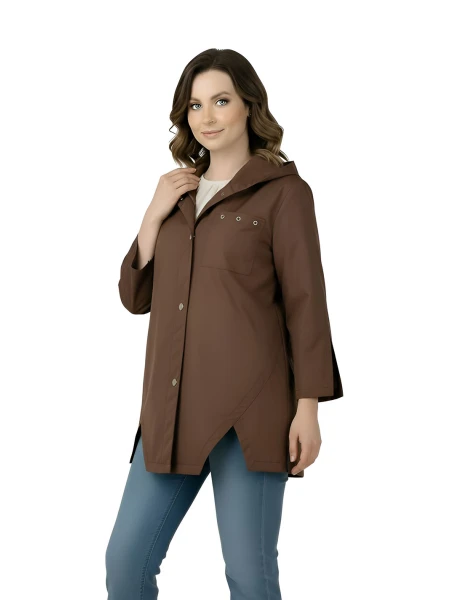
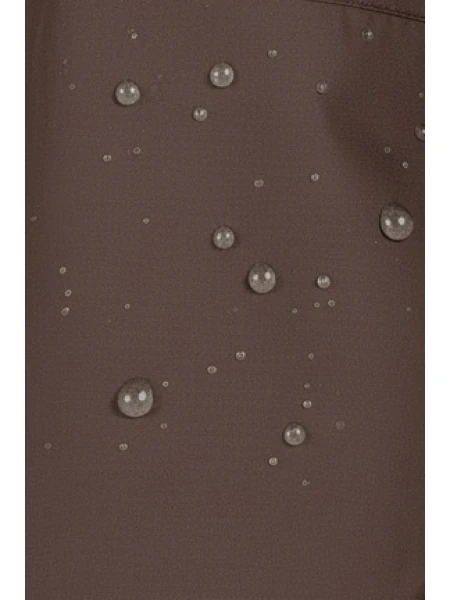
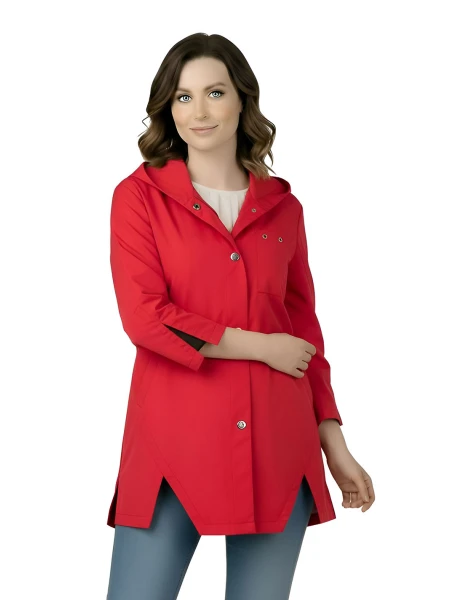
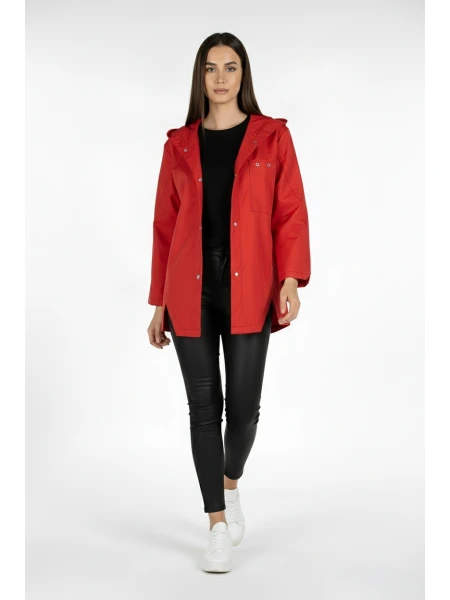
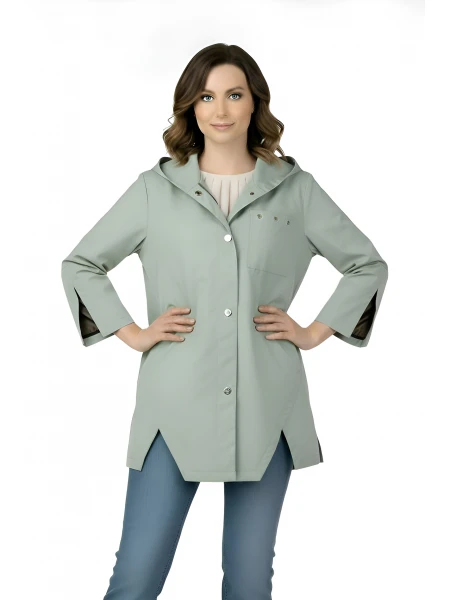
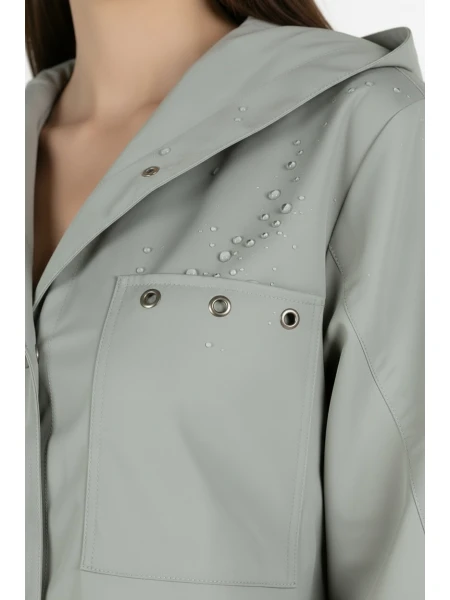
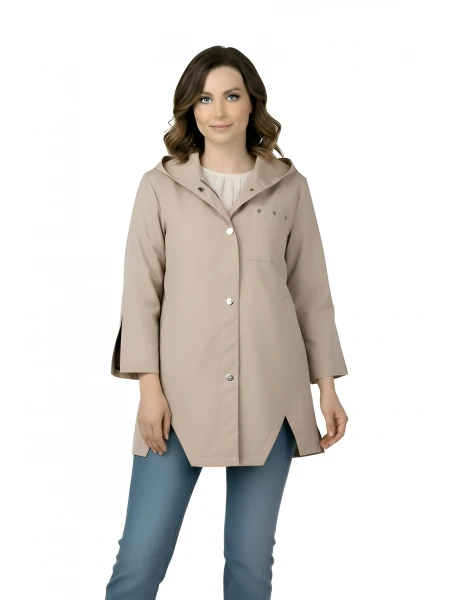
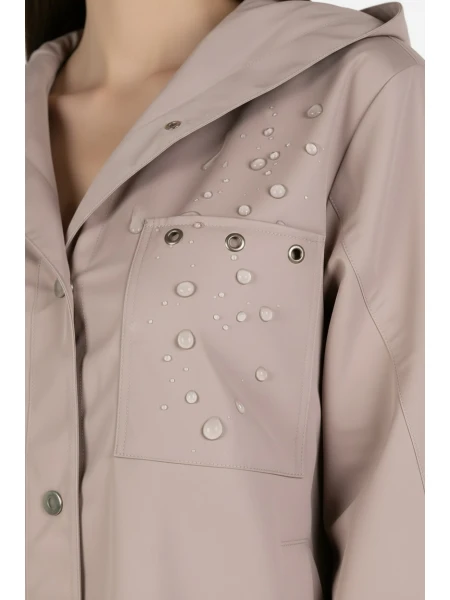
The category also contains hooded waterproof jackets in brown, red, green and cappuccino tones. These are sportier outer layers rather than classic blazers. Technical language such as waterproof should only be relied on when the product page confirms it. Hood design, closure, pockets and real weather use matter as much as appearance. For broader outerwear, the live Women Outerwear category provides the relevant silo connection.
How should the shoulder fit?
Shoulder fit is one of the most important checks in tailoring. In a classic blazer, the seam should sit close to the natural shoulder point. A designed oversized blazer may intentionally drop lower, but buying a standard blazer one size larger does not reproduce a true oversized pattern. If the shoulder is too narrow, movement can feel restricted and the upper sleeve may crease. If it sits too far out without design intention, the jacket can look disconnected from the body.
Bust and waist closure
When a blazer is buttoned, there should not be sharp tension around the button, strong horizontal lines across the bust or obvious spreading at the front edge. This is especially important in double-breasted and peplum shapes. Even if you plan to wear the jacket open most of the time, testing it closed gives useful information about the pattern and size. If shirts or knitwear will be worn underneath, include that real layering need when judging the fit.
Sleeve length and width
Sleeve length changes the finished appearance of a blazer. In a classic long sleeve, the hand should not disappear completely unless the design intentionally uses extra length. With a shirt underneath, a small amount of cuff may show. In cooler weather, do not check sleeve length alone. Sleeve width, elbow movement and the armhole also matter if knitwear will be layered underneath. A sleeve can look correct while still feeling too restrictive in normal movement.
Jacket length and proportion
Cropped, hip-length and longer blazers give different proportions. A shorter jacket can raise the visual waist and balance wide-leg trousers. A medium length is highly versatile with jeans, tailored trousers, skirts and dresses. A longer blazer can give a stronger vertical city line. Length should be judged with the rise of the bottom piece, shoe height and the intended silhouette rather than from trend alone.
Blazers with wide-leg trousers
Wide-leg trousers and blazers can form a strong modern suit silhouette. If both jacket and trousers carry a lot of volume, the result may feel heavy. A shorter or waist-defining blazer can balance that volume, while a longer blazer can still work for a monochrome vertical line. The live Women Trousers category is the natural internal link for this styling route. Shoulder, waist, trouser length and footwear should be read together.
Blazers with straight trousers
Straight trousers are one of the easiest partners for a blazer. A shirt and loafers can feel classic for office use, while a plain T-shirt and sneakers bring the outfit toward smart casual. Black blazer with black straight trousers gives a simple monochrome base. White, beige, grey and denim tones can add contrast. The relationship between trouser rise and blazer button position also affects the overall proportion.
Blazers with jeans
A blazer-and-jeans combination balances formal and relaxed elements. Dark straight denim feels more polished, while lighter washes feel more casual. A black blazer, blue jeans and white T-shirt is a durable formula. Boucle, lace or decorative jackets can become easier to wear during the day when paired with denim. Very distressed jeans combined with a highly decorative blazer may compete visually, so one main focus is often easier to manage.
Blazers with dresses
A blazer expands the use of a dress. Adding a structured blazer to a casual dress can move the outfit closer to office dressing. A contrasting blazer can refresh a black dress. With a printed dress, using a quieter colour from the print in the jacket can give cohesion. If the dress already contains lace, sequins or a strong print, a simpler blazer is usually easier to balance. The live Women Dresses category supports this relationship.
Blazers with shirts and blouses
The layer under a blazer changes the entire level of formality. A white shirt feels classic and professional, a Tencel or viscose blouse feels softer, a plain T-shirt is more casual, and lace or satin can move the outfit toward evening. The live Women Shirts and Blouses category is a natural internal destination for these combinations. The neckline, sleeve volume and fabric texture of the top should also work comfortably under the jacket.
Office blazer selection
An office blazer should not only look classic. Full-day comfort, sitting, arm movement and the real workplace dress code matter. Black, navy, grey, beige and fine stripes are easy foundations. Decorative buttons, lace or stronger patterns may work in creative workplaces, while simpler tailoring may be more practical in conservative environments. A useful office blazer should look balanced both open and closed and should not restrict movement across the back or arms.
Smart-casual blazer styling
Smart casual is one of the broadest uses for this category. Blazer with jeans and a T-shirt, blazer with straight trousers and sneakers, or blazer over a dress with loafers all balance structure with ease. The goal is not to remove all formality from the jacket but to make it work naturally in daily life. Softer fabrics and less rigid construction often make this transition easier, but styling and footwear still play a major role.
Dinner and occasion dressing
For dinner or an event, the blazer can become the main feature rather than just an outer layer. Lace, boucle, shine, special buttons and pastel patterns give stronger visual impact. In that case, trousers, skirts, dresses and accessories can stay quieter. A decorative blazer over a black monochrome base is an easy way to keep the overall outfit controlled. Venue, time and dress code should still guide the final level of formality.
Spring blazers
Spring often moves between cool mornings, warmer afternoons and cooler evenings. A light Tencel blazer, denim jacket or fine cotton jacket can work as an easy removable layer. Shirts, T-shirts and fine knitwear can sit underneath. A very heavy lining may feel unnecessary in transitional weather, so actual fabric density matters. Spring is also a strong season for using the same blazer across office, city and travel contexts.
Summer blazer approach
A summer jacket is not defined by pale colour alone. Fabric density, lining, sleeve construction and the way the material feels in warm conditions all matter. Linen-type and lightweight cotton styles may be easier to use in heat. Pale yellow, white and light neutrals integrate easily with summer wardrobes. The word summer is not a technical guarantee of coolness, so composition, lining and construction should still be checked on the individual product page.
Autumn blazers
Autumn is one of the most useful seasons for blazers. Tencel, denim, wool and checked jackets can all work in layered outfits. A fine knit can sit under a blazer, and a coat can go over it on colder days. Brown, grey, charcoal, navy and denim tones are easy to combine, but there is no mandatory autumn colour rule. The useful choice is the one that works with existing trousers, jeans, shoes and outer layers.
Winter blazers
In winter, a blazer often functions as a middle layer. Wool and denser jackets can sit over shirts or fine knitwear and under a coat. A very bulky blazer may restrict movement under outerwear, so shoulder and armhole fit should be judged with real winter layering in mind. Warmth should not be assumed from colour or visual weight alone. Fabric composition, lining and construction remain important.
Colour planning
Blazer colour should be chosen with the existing wardrobe, not only the seasonal trend cycle. Black, navy, grey, charcoal and beige are easy foundations. Brown, pink, purple, red, green and pastel patterns can add more character. Before buying a strong colour, it is useful to identify at least three existing bottoms and several tops that already work with it. That simple check increases the chance that the jacket will be worn repeatedly.
Pattern and texture balance
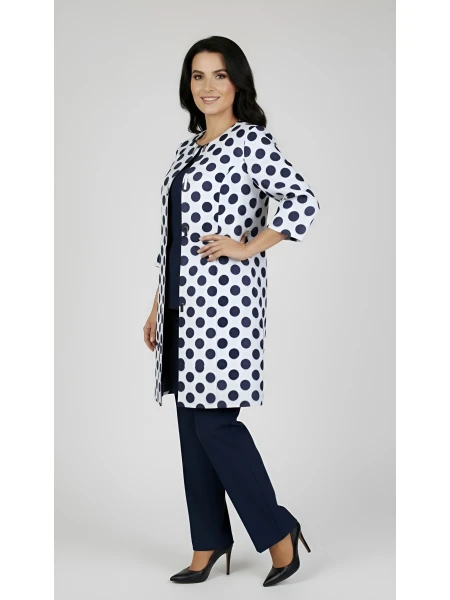
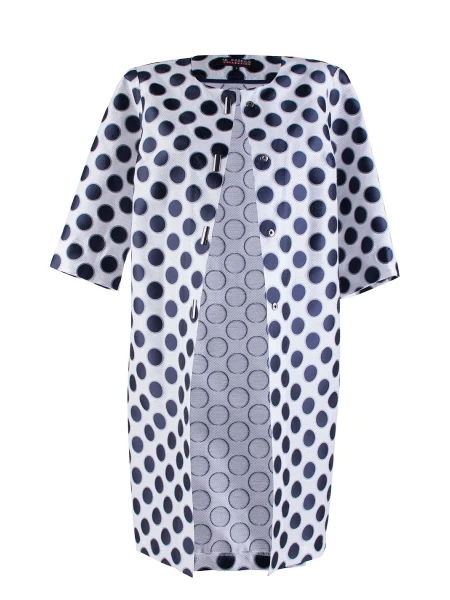
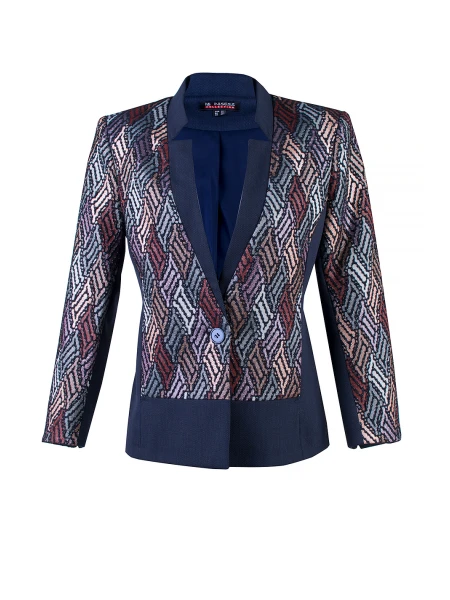
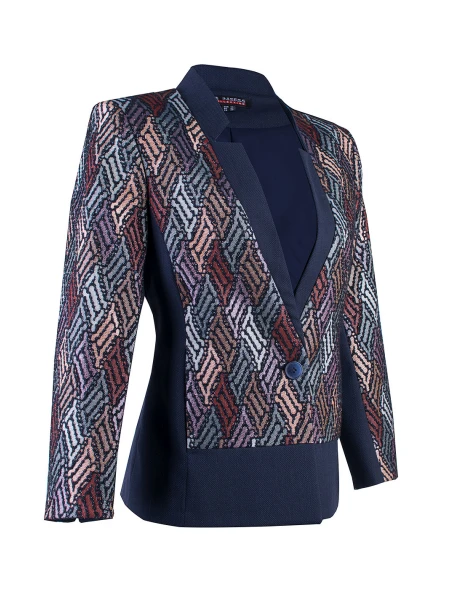
Stripes, checks, dots, boucle, lace, shine and decorative stitching all change the character of a blazer. The stronger the surface or pattern, the easier it usually is to keep surrounding pieces calm. Pattern mixing is possible, but scale and shared colours need control. A jacket can be the visual focus without every other item trying to compete with it. This is especially important when the blazer already contains special buttons, embroidery or texture.
Footwear
Footwear can shift the formality of a blazer dramatically. Loafers and clean flats feel polished and urban, sneakers feel more casual, heels feel more formal, and boots move the outfit toward autumn and winter. Trouser or skirt length should be considered with shoe height. The same jacket can work in several settings simply by changing footwear, which is one reason blazers can have strong wardrobe value.
Bags and jewellery
A blazer with decorative buttons, lace or boucle may not need a very strong bag and heavy jewellery at the same time. A plain black blazer gives more room for statement accessories. Metal buttons can be echoed with jewellery from a similar metal family, although exact matching is not required. With delicate surfaces, chain straps and rough hardware should be used carefully because they can rub against or catch the fabric.
Capsule wardrobe role
A blazer becomes powerful in a capsule wardrobe when it works with at least three bottoms and several tops. A neutral black or navy blazer can work with trousers, jeans, dresses and skirts. A second blazer can be more expressive, such as striped, boucle, peplum or denim. Two jackets with clearly different functions can be more useful than several nearly identical black blazers. The parent Women Clothing page remains the broad silo reference.
Travel
A blazer is useful for travel because it can work with jeans and a T-shirt during the day, then move over trousers or a dress in the evening. Wrinkling, weight, care and luggage space matter. A very delicate surface or a jacket that requires specialist care after every wear may be less practical for a short trip. Business travel especially rewards a jacket that can support two meeting outfits and one more relaxed evening look.
Care and storage
There is no single care rule for all blazers. Tencel, denim, wool, boucle, lace, cotton and coated surfaces can require different treatment. The care label should always take priority. A hanger that supports the shoulders can help preserve shape, while overcrowding a wardrobe can crush collars and structured areas. Airing a jacket briefly after wear can also be useful. Delicate surfaces should be protected from rough bags, chains and sharp accessories.
How to read quality
Quality is not defined by fabric name alone. Shoulder and collar seams, button placement, zip quality, lining, pockets, pattern alignment and the ability to hold shape all matter. In striped or checked jackets, the way patterns meet around seams can influence visual quality. Technical performance claims should only come from verified product information. A premium-looking surface does not automatically prove better construction, and a simple fabric can still be well made.
Online sizing
For online blazer shopping, shoulder width, bust, waist, sleeve length and total jacket length are the key measurements. Measuring a blazer that already fits you well on a flat surface is a useful reference. If you plan to wear knitwear underneath, allow enough room for that real layer. If you want an oversized look, check whether the product is designed as oversized rather than simply ordering a larger size in a standard pattern.
Older-season blazers
An active blazer from 2021, 2022, 2023, 2024 or 2025 is not automatically less useful because of the year. Good cut, correct fit, useful fabric and wardrobe compatibility can keep a jacket relevant for a long time. Archive products should not be described as if their original season is the current trend. They are better evaluated through their own design period and their present-day styling value.
Low stock and last pieces
Some active products have very low stock. A last piece is valuable only when it genuinely suits you. Current stock, size and colour should always be checked on the product page. Scarcity can be useful information, but it should never replace fit, fabric and actual need in the buying decision.
Common buying mistakes
Common blazer mistakes include ignoring the shoulder, judging only from model photography, forgetting about the layer underneath, never checking the jacket buttoned and overlooking care requirements. Another mistake is assuming all black blazers have the same formality. Fabric, structure, length, buttons and surface detail can make two black jackets behave very differently. The best purchase is the one that fits both the body and the real use case.
Movement and comfort
A blazer should not only look good while standing. It should remain comfortable when sitting, driving, carrying a bag and reaching the arms forward. Shoulder, back and armhole mobility become important in daily life. A very tight back can look neat from the front yet feel uncomfortable in normal movement. During fitting, reaching forward, bending the elbows and sitting down provide more realistic information about the pattern than a static mirror pose.
Bag straps and jacket surfaces
If you regularly use a shoulder or crossbody bag, think about how the strap interacts with the blazer. Chain straps and hard edges can rub against boucle, lace and other delicate surfaces. A thick bag strap can also disturb the line of a strongly structured shoulder. Daily styling therefore involves more than colour matching. The surface of the jacket, the shoulder construction and the physical bag strap should work together without damaging the garment.
Refreshing an older blazer
An older-season blazer can feel more current by changing the surrounding pieces rather than replacing the jacket. A cleaner T-shirt, modern straight jeans, updated loafers, a minimal bag or simpler jewellery can shift the whole outfit. Well-cut black, navy, grey and denim jackets can remain useful for years when styled differently. This approach also supports a more deliberate wardrobe by extending the life of pieces that already fit well.
Business travel
For business travel, consider wrinkle behaviour, weight and the ability to move between different meeting environments. A jacket that works one day with a shirt and trousers and the next with jeans and loafers can reduce luggage. Very rigid shoulders or heavy fabrics may occupy more space. It is also useful to think about whether the jacket can recover after unpacking without demanding immediate specialist care.
Monochrome styling
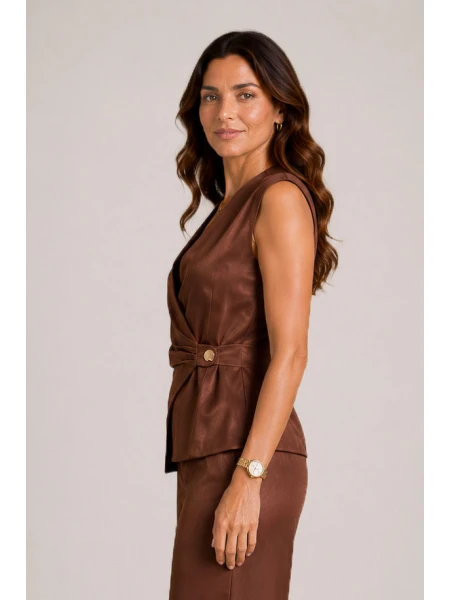
Monochrome blazer outfits can look strong in black, navy, brown, beige and grey families. Using different textures within the same colour prevents the outfit from feeling flat. A black Tencel blazer, matte black trousers and a different-texture black top can give depth without adding another colour. Footwear or a bag can provide a small contrast if desired. Monochrome styling is especially useful when the jacket has a strong cut but a quiet surface.
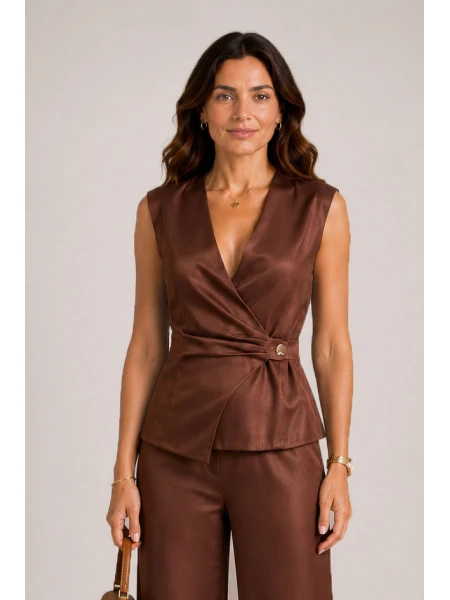
Tonal styling
Tonal dressing uses lighter and darker versions of the same colour family. Brown jackets can work with beige and cappuccino, grey blazers with charcoal and pale grey, and navy jackets with different blues. This gives visual richness without relying on strong print. Differences in fabric texture help the tonal outfit feel layered rather than uniform. It is a useful strategy for office, city and travel wardrobes because the pieces remain easy to recombine.
Positioning the blazer in your wardrobe
Before buying another blazer, it helps to classify the jackets you already own: core office, everyday smart casual, denim, seasonal outer layer and occasion. Which gap does the new jacket fill? If three black blazers already perform the same function, a fourth may add less value than a different fabric, cut or use case. Thinking in functions rather than product count makes the wardrobe more efficient and helps each new purchase earn a clearer role.
Buying checklist
Before buying, ask: Where will I wear it? Is the shoulder in the right place? Does the jacket close comfortably? Are sleeve length and width correct? What will I wear underneath? Which three bottoms already work with it? Is fabric care realistic? Does it suit the season and climate I need? Is current stock verified? Will my usual bag strap damage the surface? These questions connect visual appeal with actual long-term use.
Category silo and internal linking
Women Blazers is a specialist page under the broader Women Clothing silo. The parent page owns broad fashion intent, while this page deepens blazer-specific fit, fabric and styling intent. Internal links should point only to genuinely related categories such as trousers, jeans, dresses, shirts and outerwear. Keeping those links relevant supports both customer navigation and category authority instead of diluting the page with unrelated destinations.
Frequently Asked Questions
How do I choose a women blazer?
Start with real use, then compare shoulder, bust, waist, sleeve and total length together with fabric and layering needs.
Can I wear a Tencel blazer to the office?
Yes when the cut and workplace dress code are suitable. Black Tencel tailoring works easily with trousers, skirts and simple dresses.
Can I wear a blazer with jeans?
Yes. Blazer and jeans is one of the most useful smart-casual formulas. Dark denim feels more polished and lighter washes more casual.
How should a double-breasted blazer fit?
It should close without strong pulling around bust or waist and the front edges should remain balanced.
What works with a peplum jacket?
Straight trousers, clean denim and pencil skirts are easy partners. Wide-leg trousers can also work when total volume is controlled.
Can boucle jackets be casual?
Yes. Denim and a simple top can make a boucle jacket easier to wear during the day.
Can denim jackets go over dresses?
Yes. Denim is a useful way to reduce the formality of a dress, especially in transitional weather.
Can I wear a blazer in summer?
Lightweight fabrics and suitable construction can work on cooler summer evenings. Fabric name alone does not guarantee coolness.
How do I wear a blazer in winter?
Use it over a shirt or fine knit and under a coat when needed. Leave enough room for the real winter layer.
What is the most important blazer measurement?
Shoulder is the best starting point, followed by bust, waist, sleeve and overall length.
Should I test a blazer open and closed?
Yes. Even if you plan to wear it open, the closed fit gives valuable information about the pattern and size.
Are older-season blazers still worth buying?
Yes when fit, fabric and use are right. The season year alone does not determine value.
What should I check with low-stock blazers?
Do not compromise on size or use just because stock is low.
How should I style a lace blazer?
Let the decorative jacket lead and keep trousers, skirts or dresses cleaner and simpler.
Where do I verify fabric composition?
Use the verified composition and care information on the individual product page.